Life and Death in the Time of EVs
April 13, 2026
Alex KiersteinDepending on the brand, EVs are either a future worth building on or an unpredictable morass of complications. Hence, some die, and some are born.
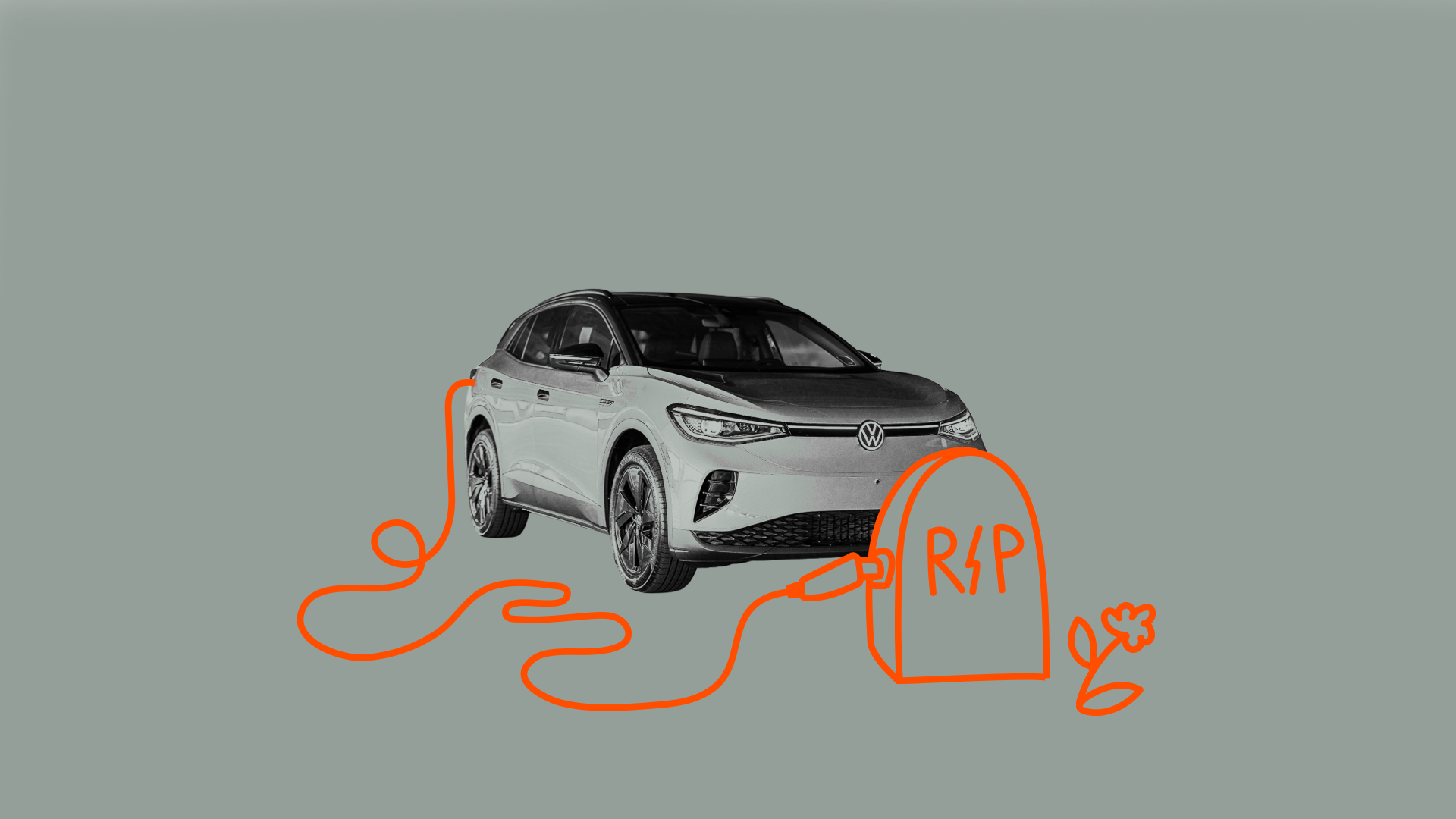
Volkswagen just announced that it’s shutting down the ID4 line at its plant in Chattanooga. Toyota—which has previously joined other automakers in lobbying against fuel economy standards —has a herd of new EVs heading to market in the US. Nissan, an EV pioneer, recently killed off its larger Leaf companion, the Ariya—leaving the Leaf as its sole BEV offering. Honda, an electrification pioneer and with a strong history of unconventional engineering, can’t figure out its EV strategy and doesn’t see a way forward given the Chinese lead in EV development.
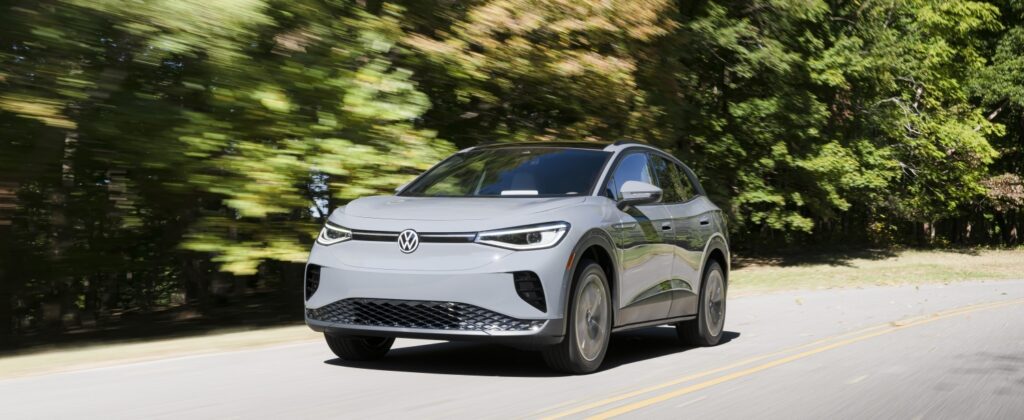
It is a wild, wild time. Even a couple of years ago, all of these statements might seem improbable, maybe impossible. Well, except for the ID4’s demise, even if it’s temporary. Of all of those events in the paragraph above, I think the ID4’s troubles were the most foreseeable. When EV demand is broad and incentives help level a playing field that isn’t quite level in the first place (see: fossil fuel production subsidies), something milquetoast like the ID4 can skate by on a combination of brand loyalty and low cost, despite some significant drawbacks.
But that’s not where we’re at right now. There are EV headwinds, economic uncertainty, regulatory hostility, fluctuating oil prices, the rapid rise and fall of competitor models. You could see how the ID4 would easily get lost in the shuffle.
Having driven the ID4 and many of its competitors, I think it’s completely fine. It drives better than the Nissan Ariya, even though that extinct SUV has a better interior. It’s roomy and inoffensive—except the switchgear, which is a serious pain point that Volkswagen should have foreseen. Capacitive touch buttons are a blight, a curse.
Beyond the maddening “buttons,” the ID4 didn’t—and doesn’t—offer much in the way of a unique selling proposition. It’s not the most comfortable, not the most efficient, not the least expensive, not the sportiest. It’s inoffensive—yes, that word again—in an era in which mainstream has abandoned inoffensiveness as a strategy. We have bold and edgy; wild-looking Hyundai Sonatas and handsome, blocky Honda Passports. A soft, blobish SUV doesn’t stand out. It’s conservative. It’s restrained. I think that’s an asset for a small subset of buyers, but it’s my opinion that it helps the ID4 get lost in a crowd.
Clever marketing might have helped. But I am left with this sense that the most important aspect of any product is the product itself. Start with something compelling, bake in some metric that at least matches the class leader, and either make it look edgy or adorable. The ID4 could have pulled off a retro-modern Squareback vibe perfectly.
Volkswagen says the ID4 will return, but I hope for VW’s sake that it’s not in a facelifted form of the same basic vehicle. Take it back to the drawing board. Make Hyundai Ioniq 5 owners jealous with how awesome it looks. Make a loss-leading but headline-grabbing limited production GTX that puts the Ford Mustang Mach-E GT on notice. Something, anything. But the status quo isn’t going to cut it.
Recent Posts
All Posts
July 27, 2026
July 17, 2026
July 16, 2026
Leave a Reply
You must be logged in to post a comment.