SwissAmericana
May 20, 2026
Cole Pennington
In Switzerland's Wild West, the American car scene captures almost all of the nuance of true Americana—with two major exceptions.
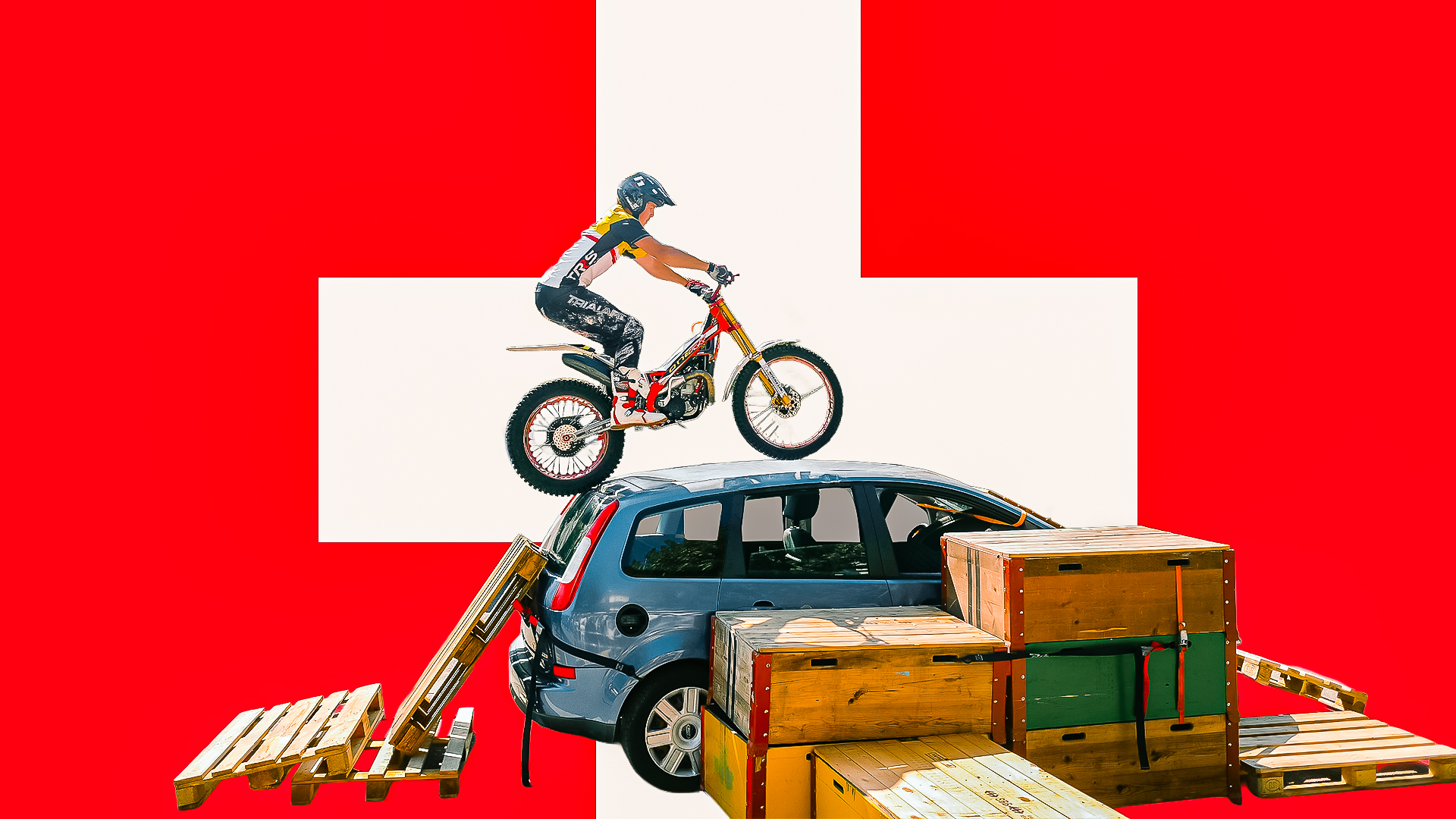
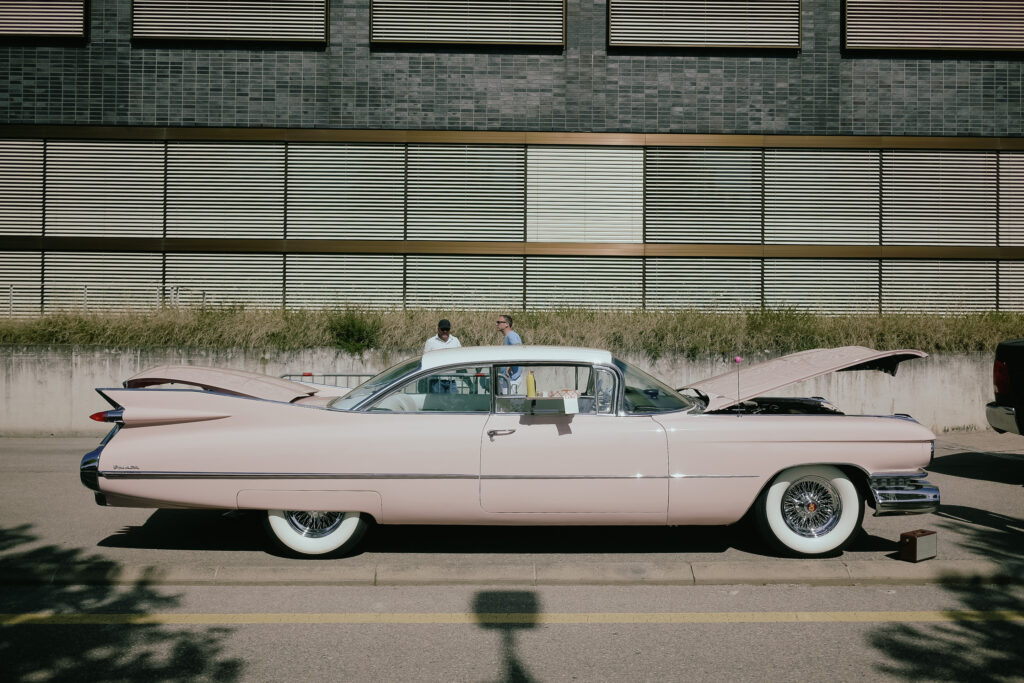
I could barely make it out, peering through the blueish-white two-stroke exhaust haze from a gang of stunt riders that mingled with the smoke from beef patty fat hitting the coals and filling the air with that buttery sweet, sweet burger smell. Then it snapped into focus; I made out the silhouette of a late ‘60s Mustang fastback creeping slowly beside a crowd of people, the cammed V8 sputtering as it took a spot outside the Backstage Pub alongside the greatest classic automotive hits from the Land of the Free. I’m talking Camaros, Chargers, Challengers, Bel Airs, Corvettes, and the like.
It didn’t feel much different from local cruise ins you’d find in Delta, Utah, or Akron, Ohio, or even Morristown, New Jersey, not far from where I grew up. Or anywhere, somewhere in rural America, really. You know the kind of meets, the ones with folding chairs. That’s how you know that you’re at an American car meet, when the acid wash jeans and folding chair guys show up.
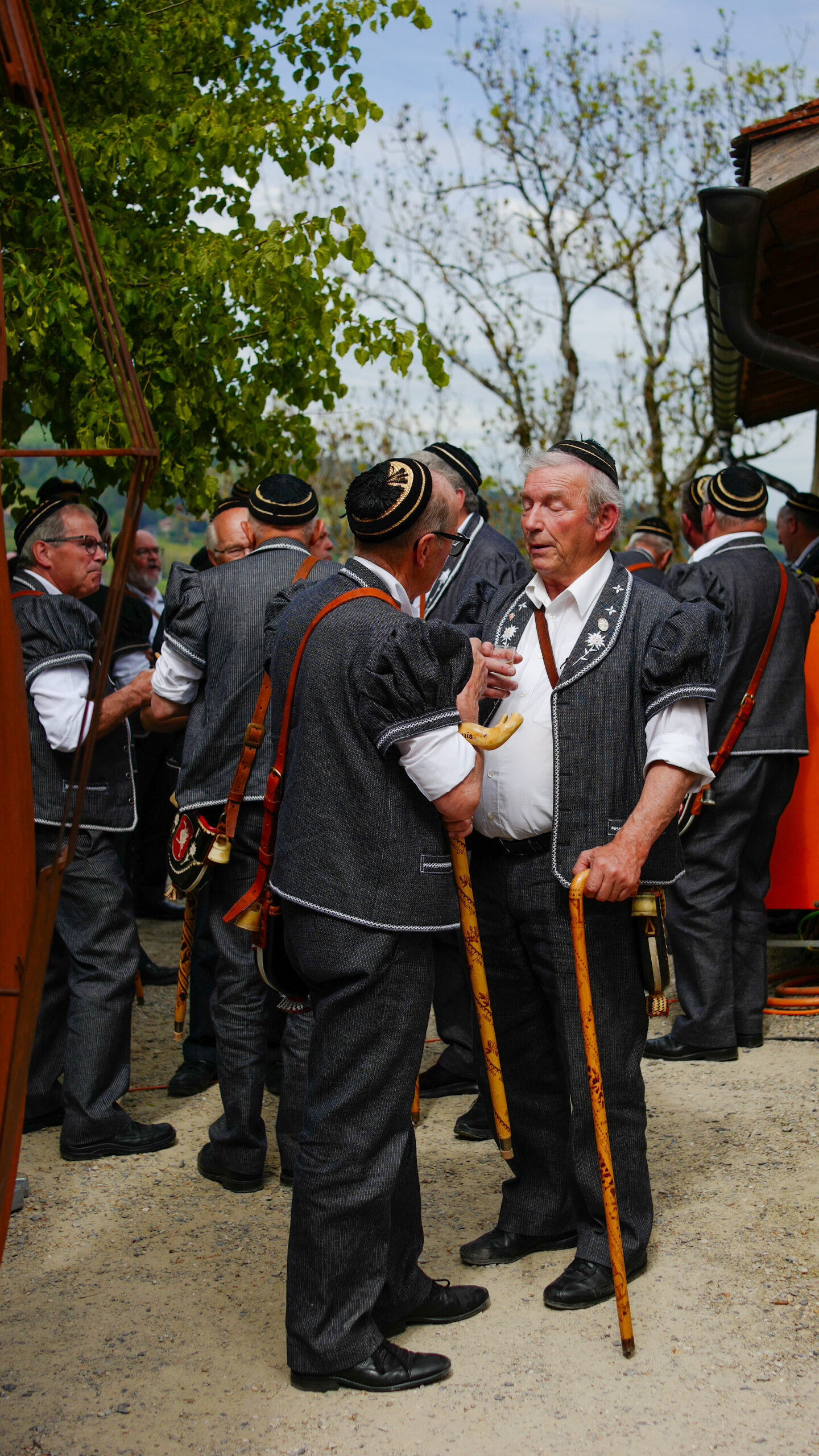
I felt home. And if it wasn’t for the French announcements blaring through the loudspeakers, I could have totally convinced myself that I wasn’t in Canton Vaud in Western Switzerland. Roughly 23% of Swiss people speak French, and they come from Romandie, a region made up of four cantons: Geneva, Vaud, Neuchâtel, and Jura.
This is Switzerland’s Wild West, where the cow enjoys the same level of respect that it does in the American West. Except here in Switzerland everyone is wealthy, on time, and religiously follows the rules.
Yet somehow, looking around, it seemed like everyone understood the nuances of American second-tier and third-tier city and countryside fashion and culture. I don’t understand Swiss fashion and culture, even after living in Geneva for years. That is to say, they nailed it.
I was witnessing an interesting phenomena unfold in real-time; most globally-aware Americans, or any Americans living abroad, have been watching the nation’s soft power erode by shifting policy and reshaped values under the current administration. An unfavorable opinion of America expressed by strangers you meet abroad isn’t at all uncommon anymore. Soft power, in simple terms, is the power of attraction. And in this day and age, most people aren’t buying what America is selling, culturally speaking.
But in this petrol-fueled corner of Swiss Americana, America was still cool. As a lifelong patriot, that made me proud even though I’m suspicious of whatever is coming out of Washington these days.
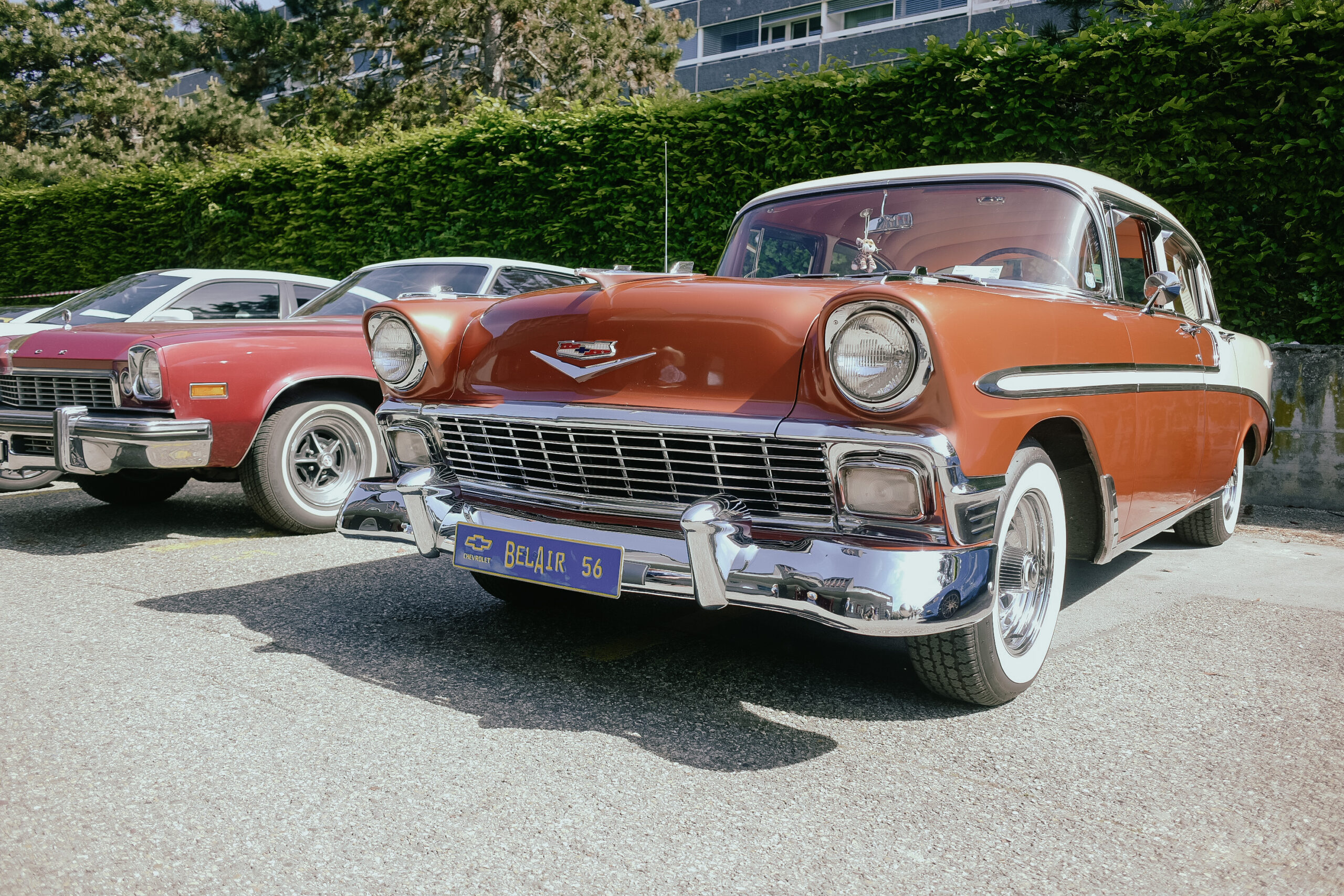
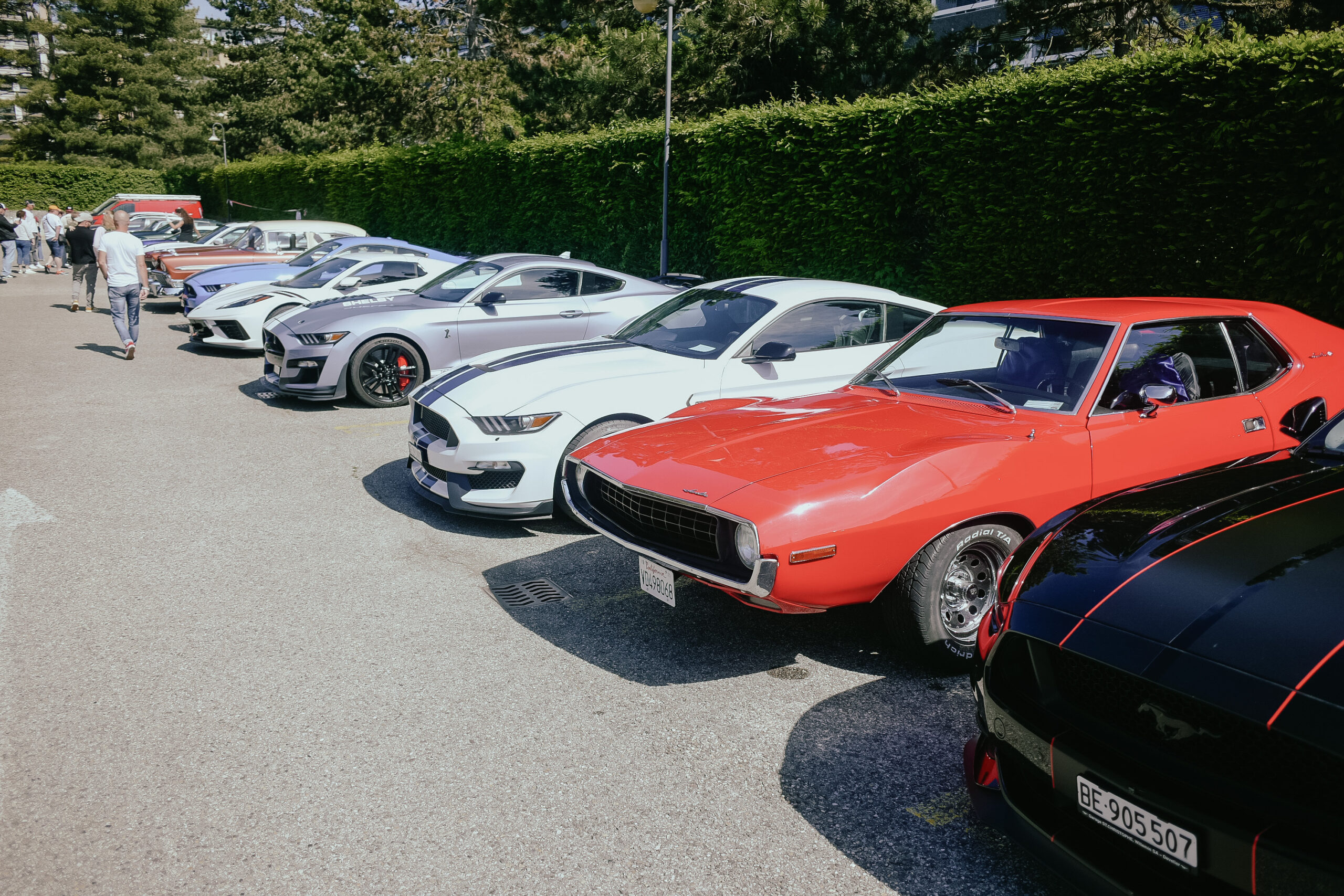

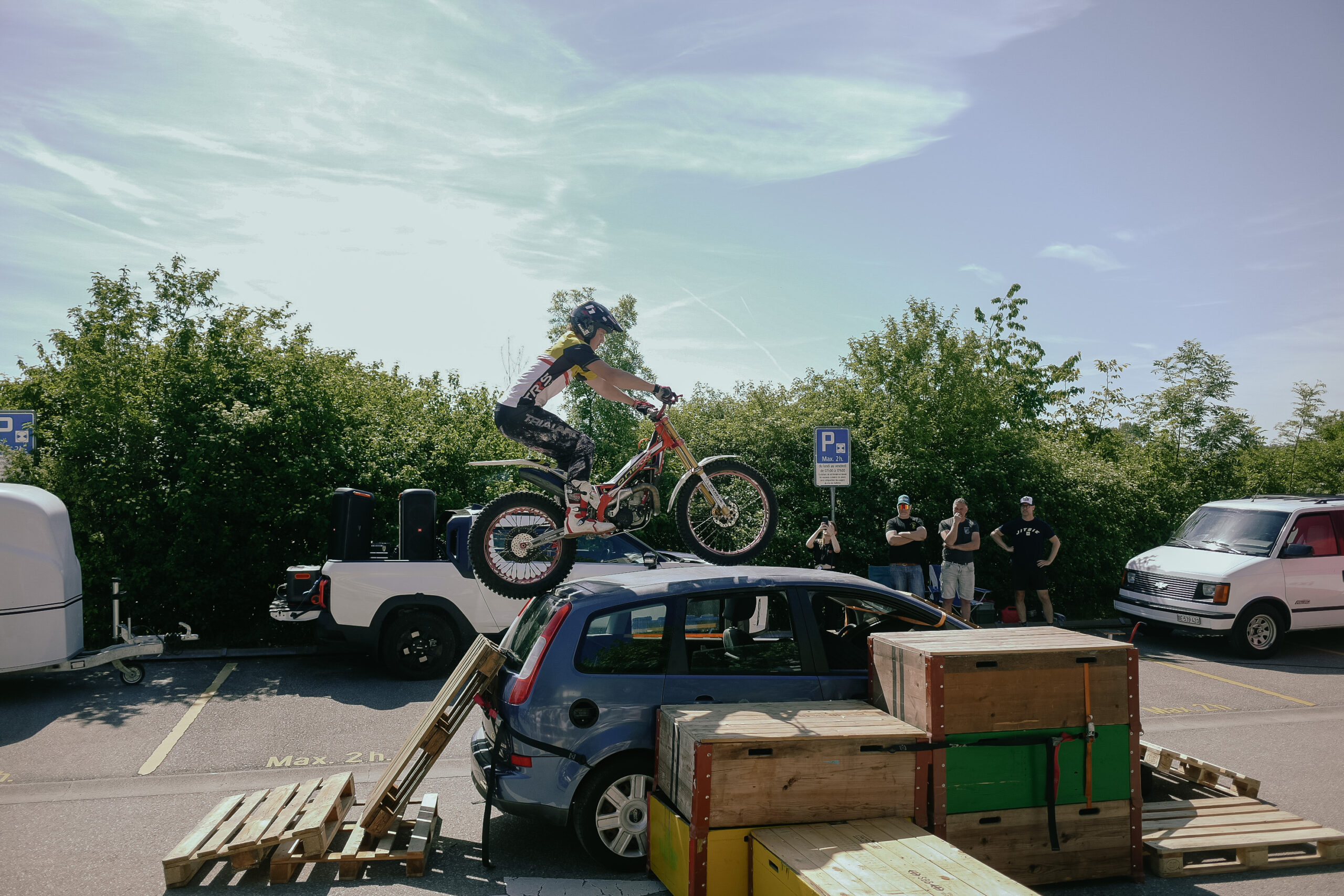
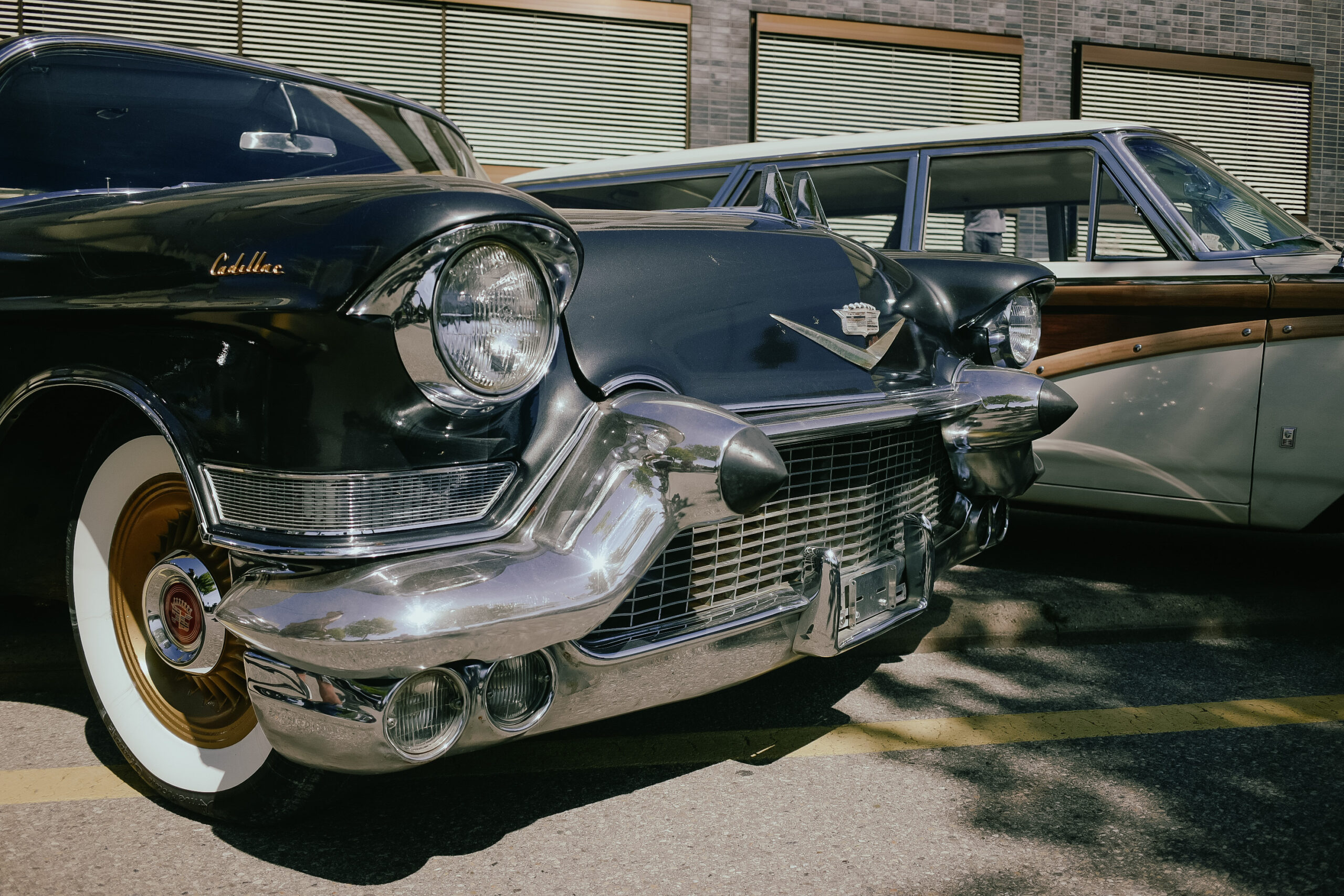
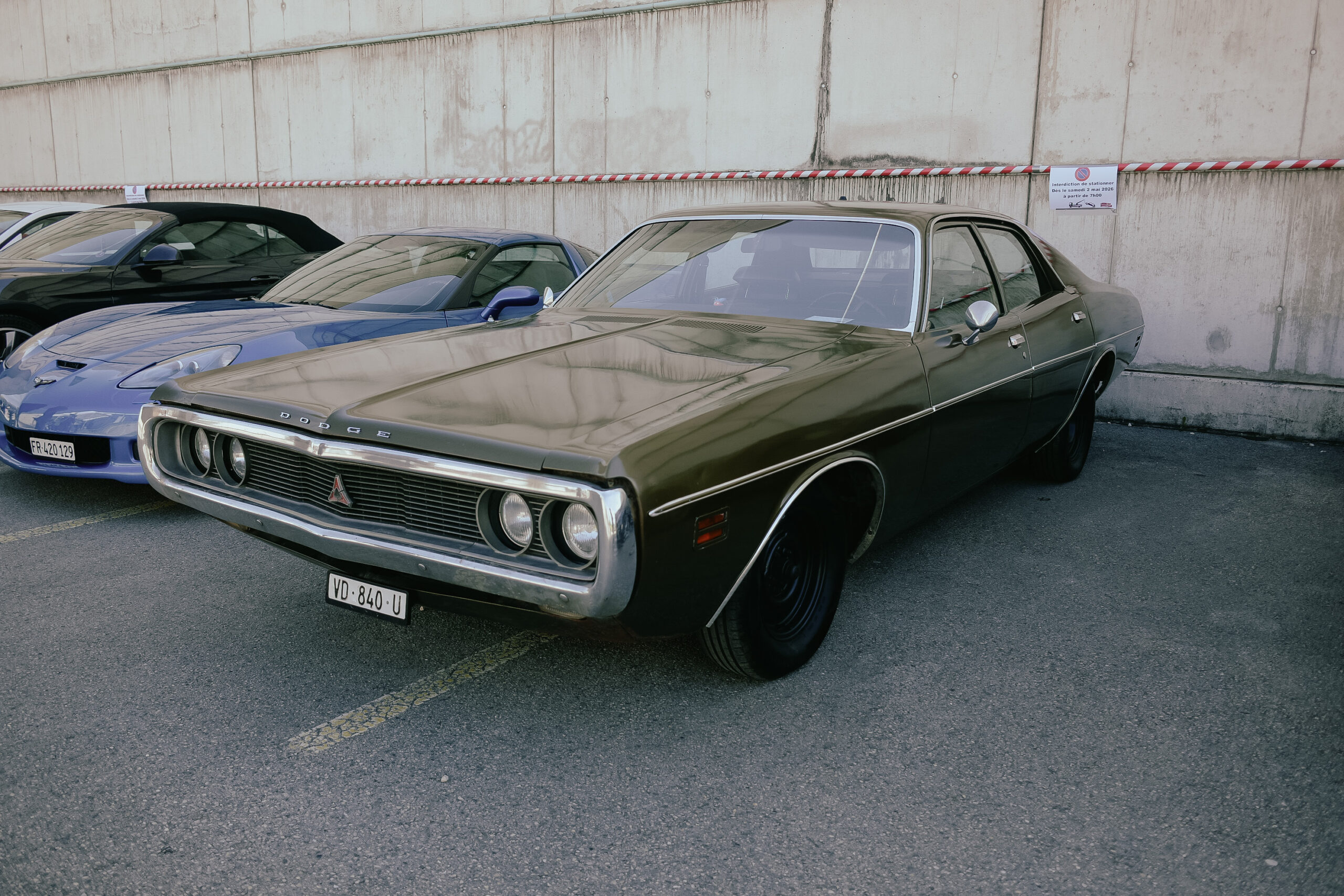
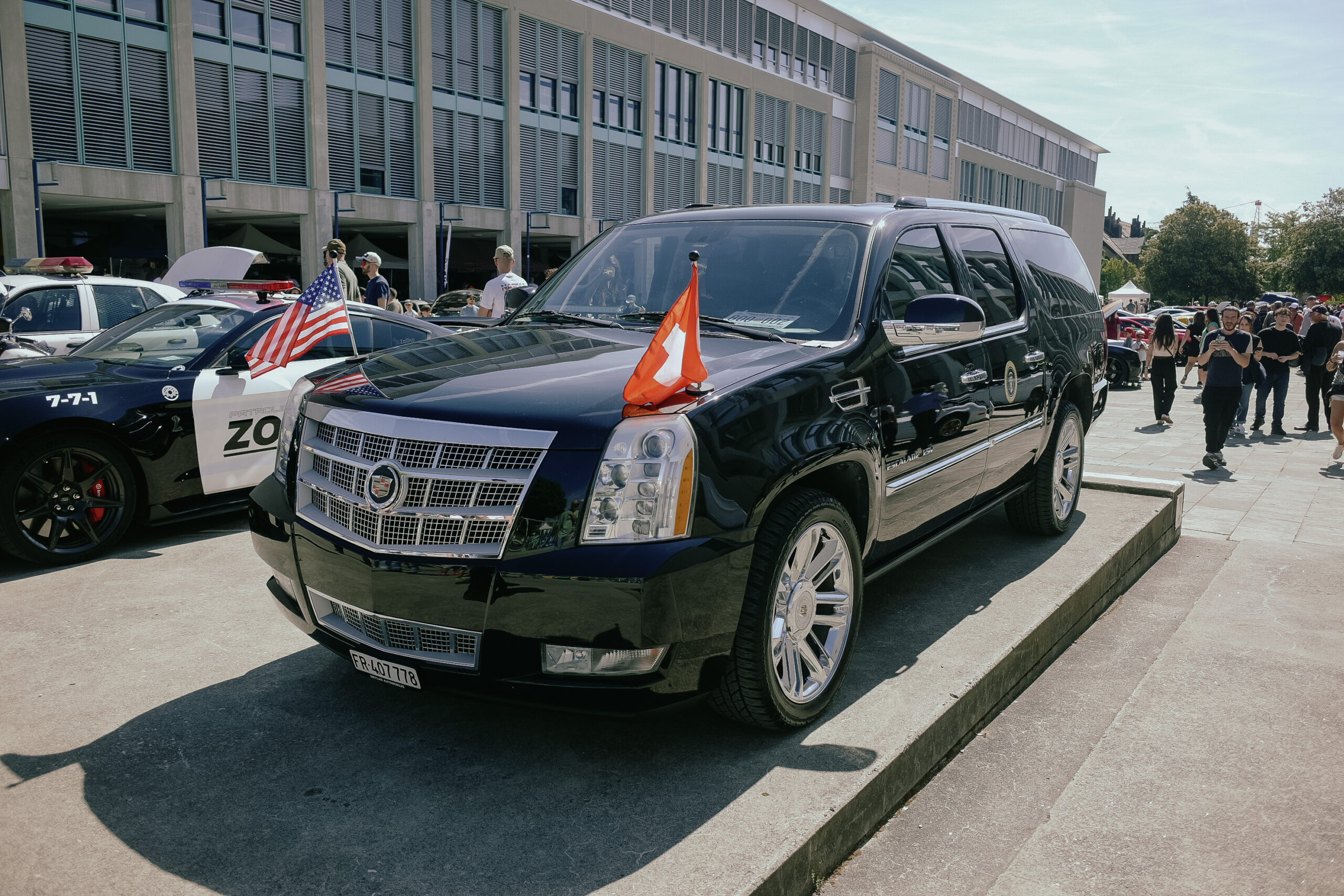
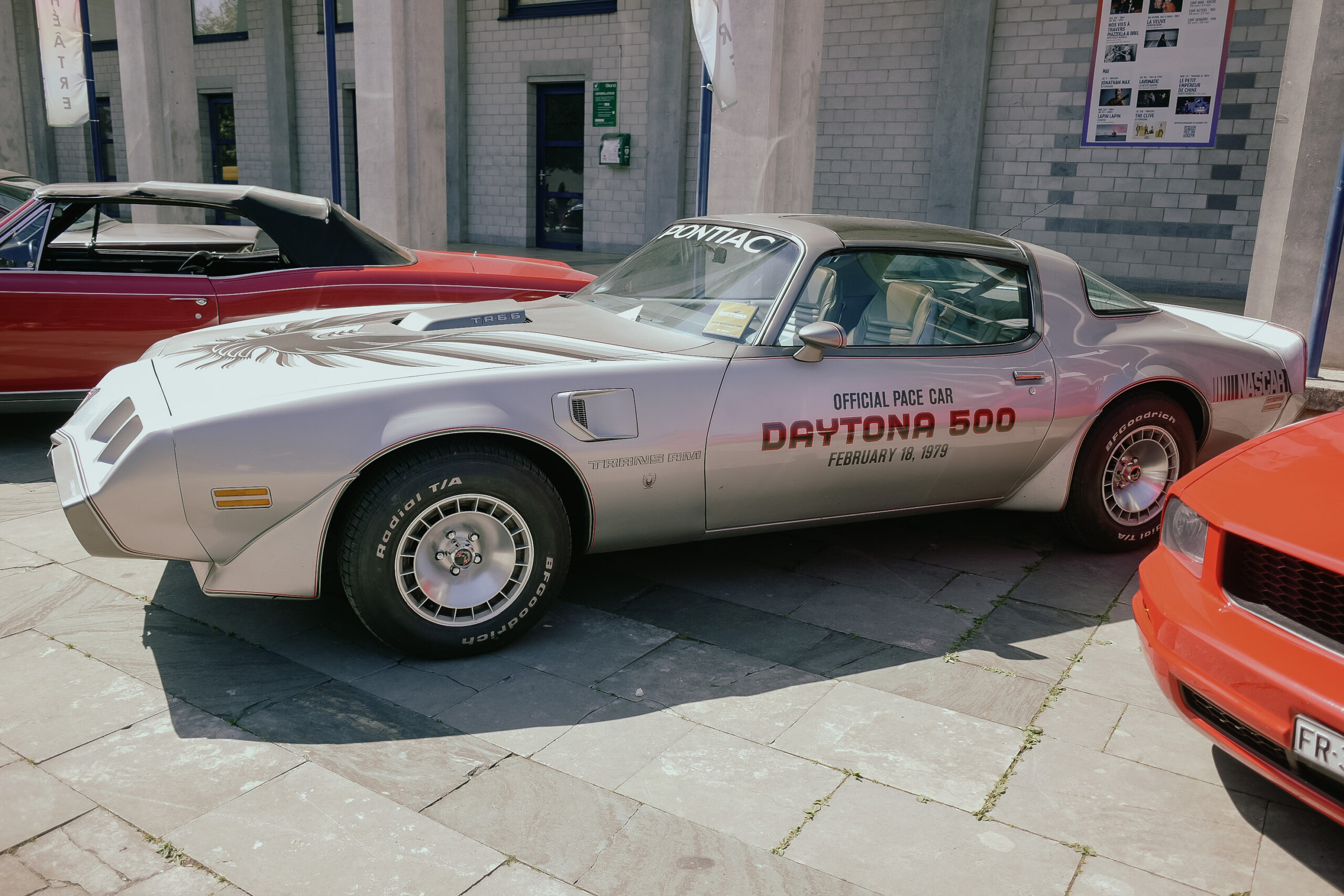
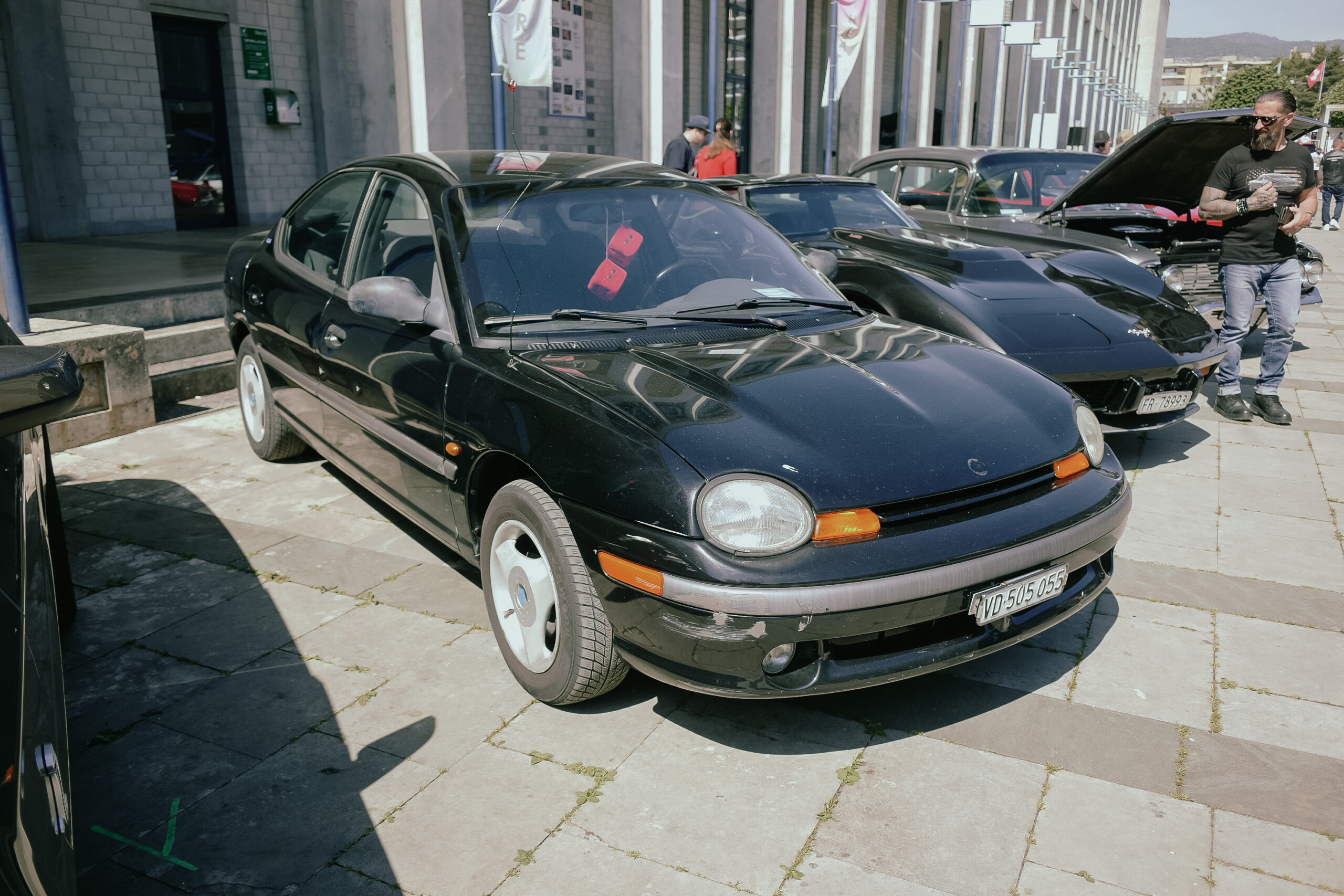
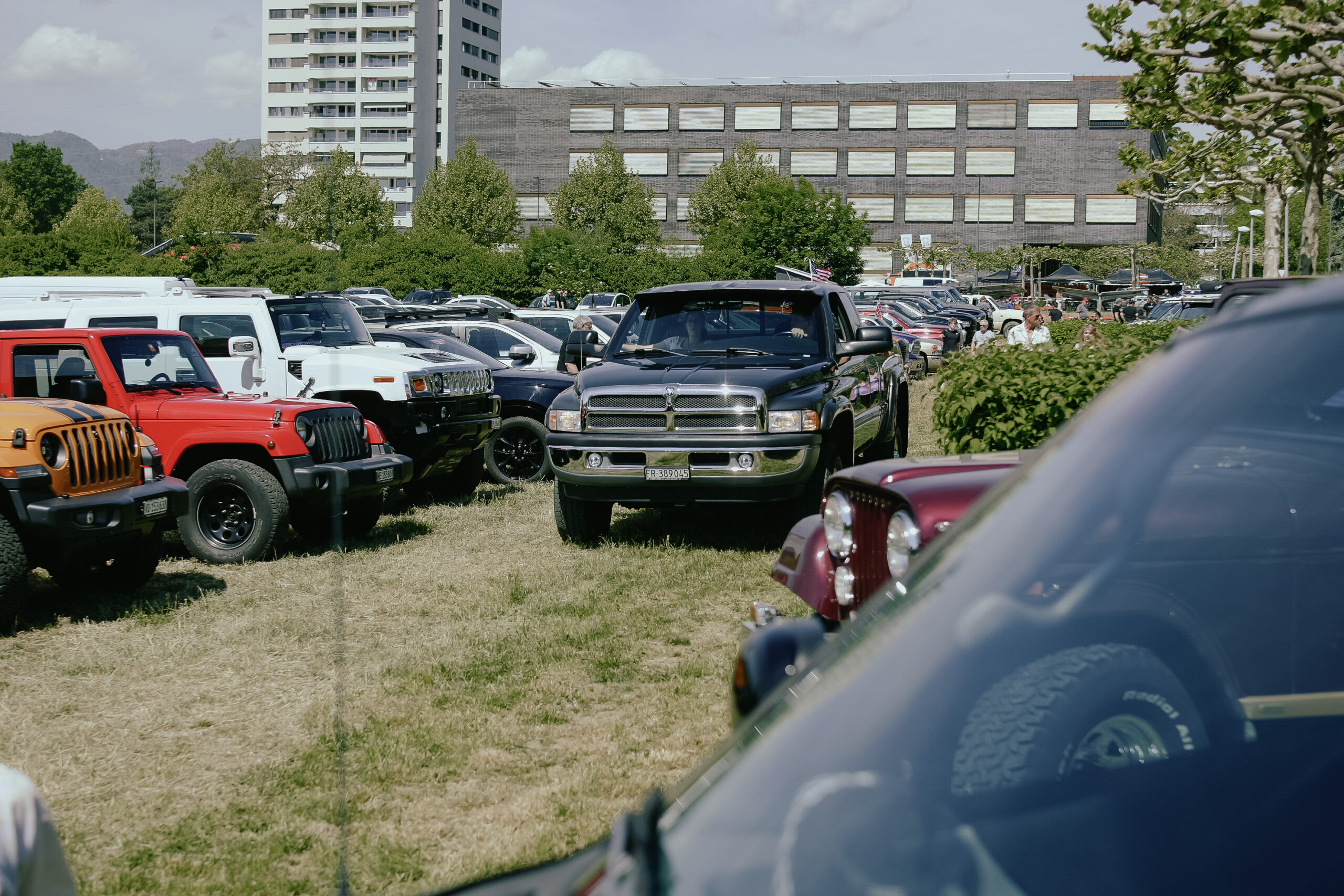
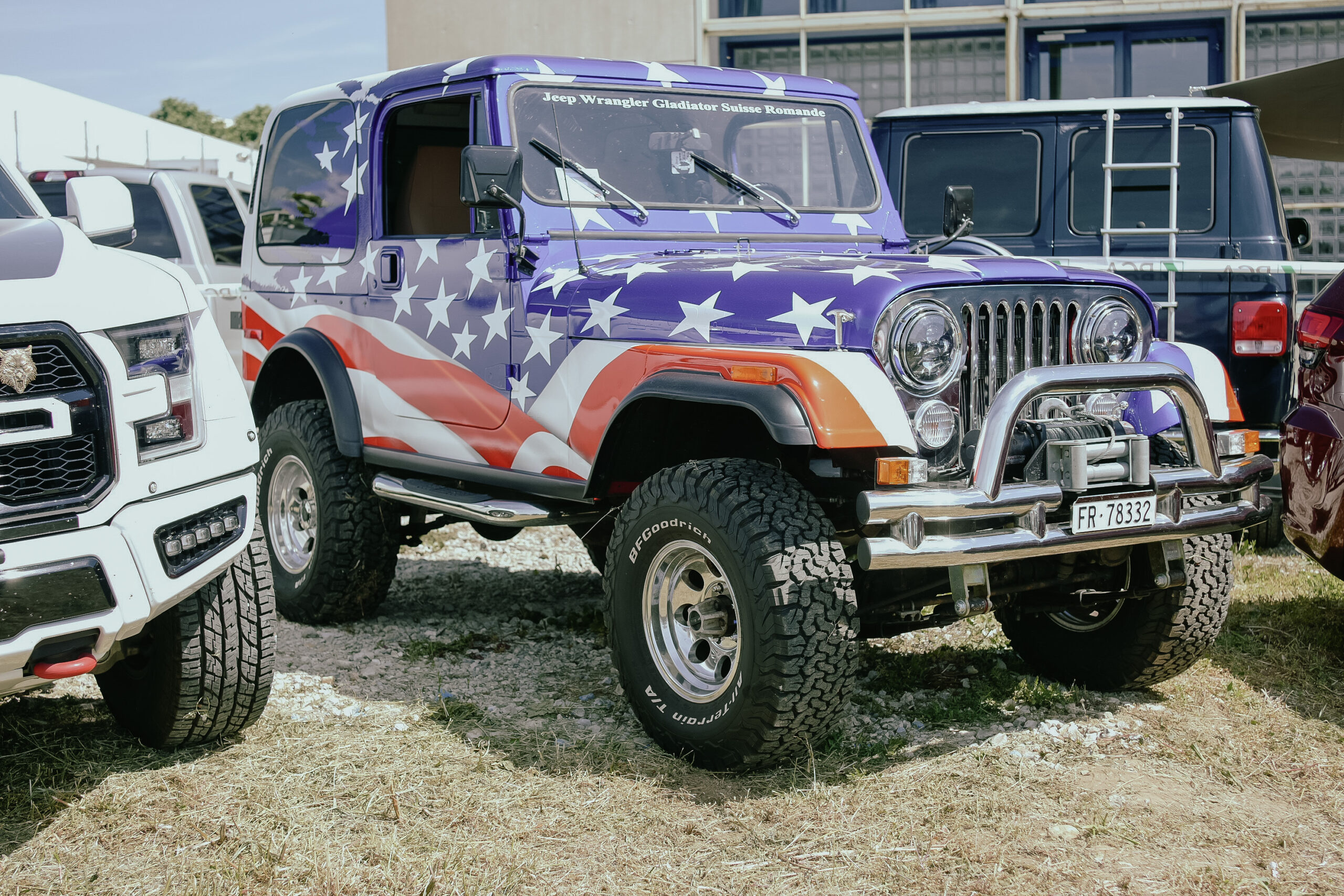
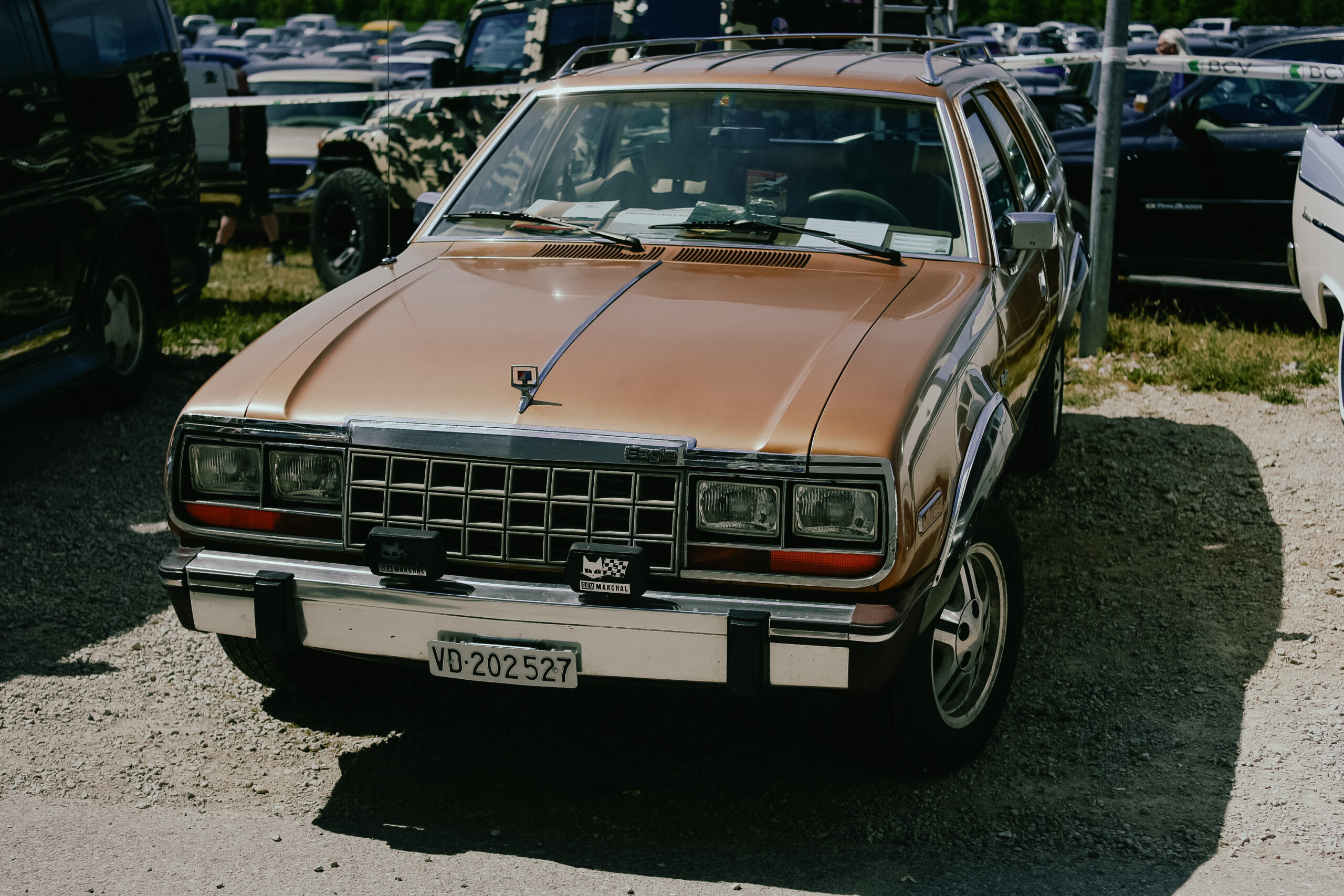
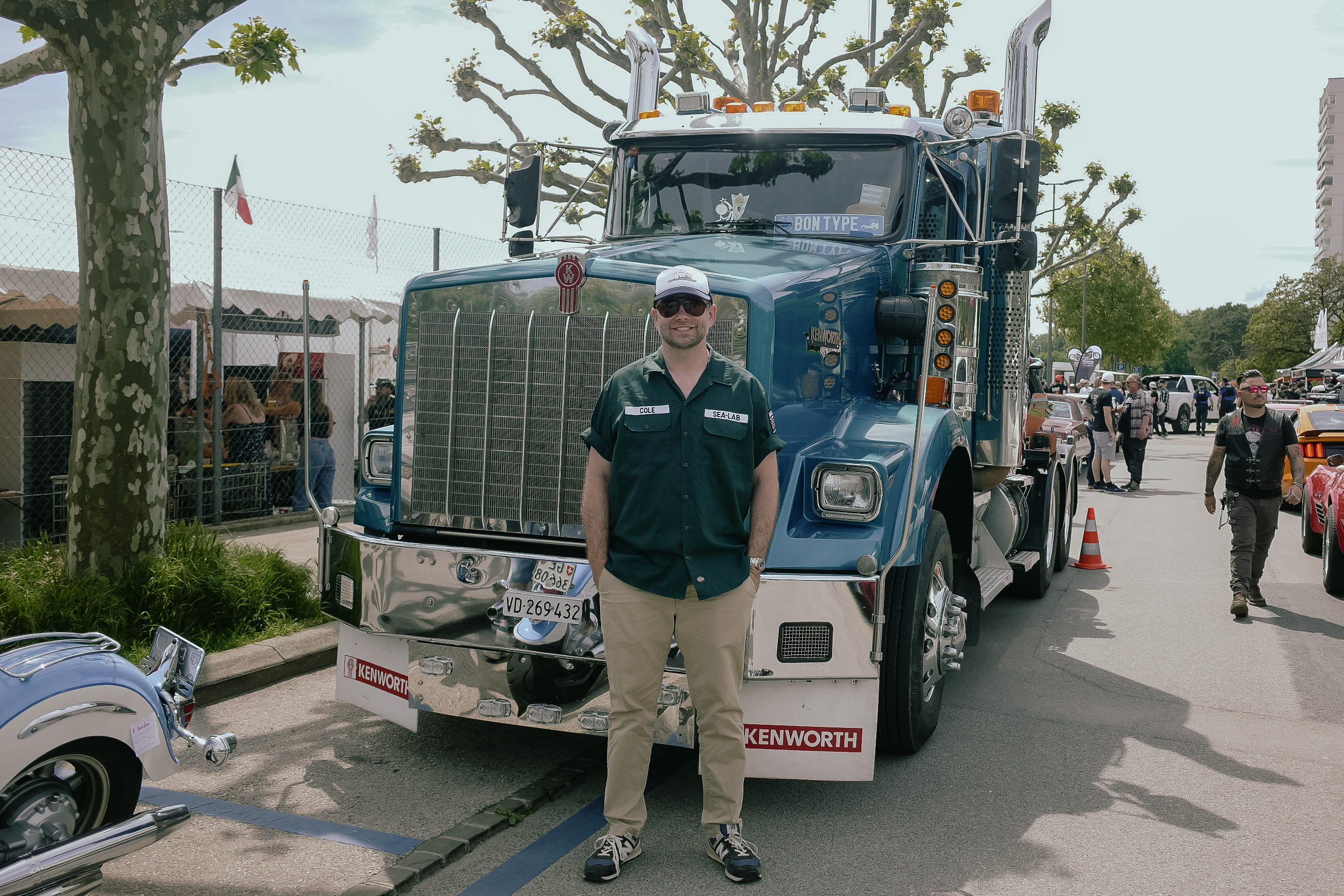
At this particular American car meet-up, loud V8s, nearly 20-foot long bodies, loads of chrome, and bench seats front and back still held the appeal they’ve always had. And that extended to the culture, too.
There’s a sense of pride that comes with making something. Just look at any Swiss watch brand. It makes sense why the Swiss were so attached to American car culture. It’s part of their manufacturing history, too.
In 1935, Switzerland had a problem, and so did GM. The Swiss economy was down, local manufacturing had plummeted, and the gold-backed Swiss Franc was too strong to keep the Alpine nation’s competitive industrial advantage alive. Meanwhile, GM was watching Opel and Vauxhall sales soar-past American-made cars distributed in Europe. The solution? Build a GM plant in Switzerland. Everybody wins. The location settled on was the sleepy city of Bienne, known today for its powerhouse watchmaking industry.
The plant opened in 1935 and the following year nearly a thousand cars rolled off the line. By the time the plant closed in 1975 due to Switzerland signing the European Free Trade Association agreement, the plant had produced a whopping 329,000 cars. Many of those cars remained in the European market, while some were exported back to the US.
And some were here, at the meet, less than a hundred miles away from where they were built, having spent their whole lifetime here in this region. It’s neat to see the manufacturing stampings in the engine bay of a split-window Corvette in French and German.
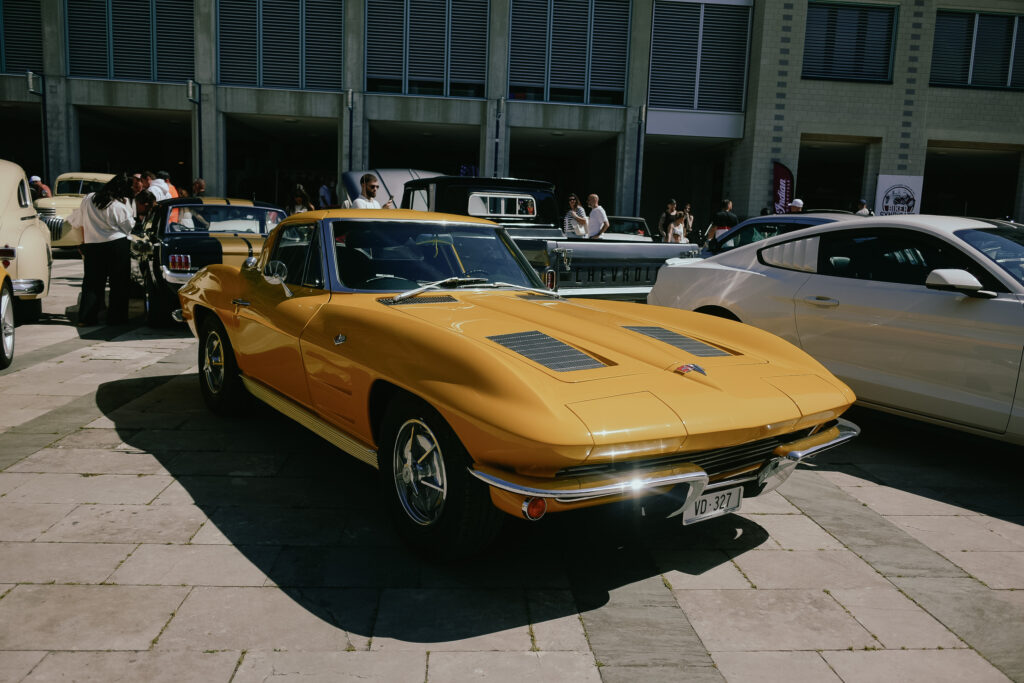
After walking up and down the rows of American metal with arms folded behind my back, hat brim pulled low, leaning slightly forward, I got in line for a hot dog and a soda, and I had a moment to reflect on what I had just seen. It’s a strange feeling watching hundreds of people cosplay as your culture. There were Kennedy window clings being displayed, even a motorcycle rider dressed in a full–and authentic–California Highway Patrol uniform complete with a matching hog. A mid-2000s blacked-out Escalade with the Presidential Seal complete with Swiss and American flags flying on the front fenders even made an appearance.
But even with the abundance of these deep-cut slices of Americana, some loaded with their own tricky histories (Confederate flags were flown), there was something missing. Something abstract and very American but in a certain way tangible. There wasn’t a single old ratty pickup with mismatched panels because it was a hand-me-down that someone young was fixing up with money from a side hustle. Absent were the muddin’ K10s lifted high enough that you needed a step stool to get in. No muscle car had a proper set of sticky, wide Hoosiers on it with stickers from the local drag strip.
Why? Because rules and regulations are king in Switzerland. There are no lax state-level agencies getting lazy with inspections. Keeping a car absolutely stock is part of codified law, and an old ratty truck would never be allowed on Swiss roads that are meant exclusively for perfectly pristine vehicles only.
America is a nation of rebels, after all. Individual freedoms are a sacred form of self-expression, and that extends to the automobile as well. Participation in automotive culture and ownership doesn’t require perfection as the price of admission. In fact, imperfection is a byproduct of bootstrappin’ and a can-do attitude that’s central to the American identity.
But the most telling sign of all that I was far away from America was the lack of folding chairs. Forget the 10,000 Swiss Franc candy paintjobs and cosplay props. Open up a folding chair and plop it down next to your Swiss hot rod and I’ll know you mean business.
Recent Posts
All Posts
August 3, 2026
July 30, 2026
July 27, 2026
Leave a Reply
You must be logged in to post a comment.