Make or Break

January 2, 2026
Jay Ramey2026 will see a number of EV debuts that could effectively decide the fates of automakers' EV plans for the foreseeable future.
After all the chaos of the past year in the EV industry, especially with the tariff drama and the demise of the $7500 tax credit, automakers will be looking for some measure of stability in 2026.
They will need it, because 2026 will see some of the riskiest EV launches in years, creating make-or-break moments for automakers’ electric lineups. The same could hardly be said for the past three or four years, which largely saw a stream of rather mundane and similar-sized crossovers and SUVs, leading to overcrowding and plenty of market withdrawals in some segments.
The new year, will see automakers take some major risks that may effectively decide the fates of their EV lineups for the foreseeable future.
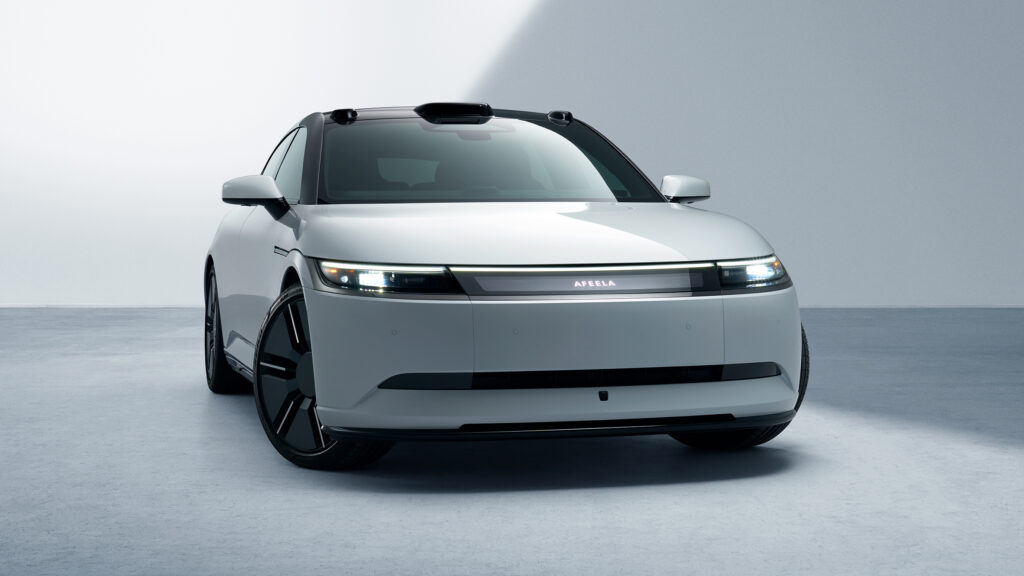
Starting with the model that most have forgotten about by now, but which is still happening against all odds, Honda and Sony will begin sales of the Afeela 1 sedan this year. The innovative but somewhat anonymous and screen-laden sedan, with Sony multimedia tech on seemingly every interior surface, will arrive by the middle of the year with an initial starting price of $89,900 for the mid-grade flavor, joining quite a few high-priced sedans from Lucid, BMW, Mercedes-Benz and Tesla in this price category.
The Afeela sedan has been in pre-production at Honda’s East Liberty, Ohio, plant since August, and will debut in two trims, with the higher-spec Signature version set to require $102,000, prior to the arrival of the less pricey Origin base trim.
Needless to say, the whole Afeela enterprise seemed like a gamble even back when it was first revealed at CES in 2023, and not just because it’s going to be named Afeela. The sedan will be landing in a segment that has already seen plenty of contraction, occupy an ambitious price point, and its success might have effects that will extend well beyond the joint venture itself.
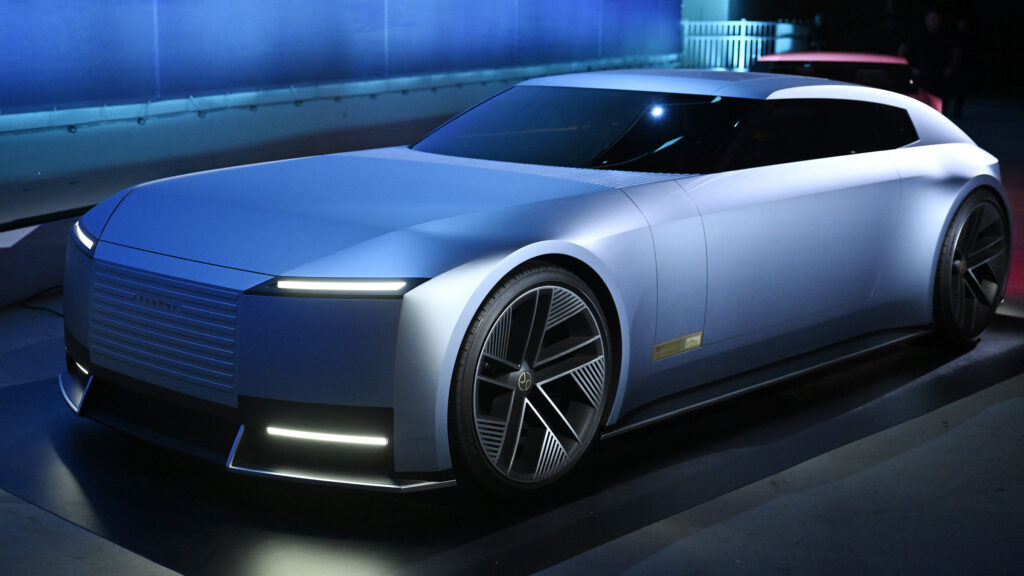
A similar situation will unfold for Jaguar in 2026, with the automaker returning from an unprecedented production hiatus with a high-tech electric four-door grand tourer, seen in concept form above as a coupe. Perhaps few will recall by now that Jaguar had cancelled another electric sedan back in 2021 at the eleventh hour with some citing an overcrowded market as the deciding factor.
Those competitors have only multiplied over the past five years while Jaguar’s lineup has shrunk in that time, with the automaker seemingly betting it all on the success of its already-controversial production version of the Type 00.
That production version, by the way, will start at a sobering $130,000, adding an extra barrier to its sales potential and placing it in competition with the Lucid Air and the Porsche Taycan. Among other things, Jaguar is now poised to find out just how much room there is for yet another six-figure electric four-door in 2026, which would have been a far more entertaining event if something close to the future of the whole automaker wasn’t riding on it.
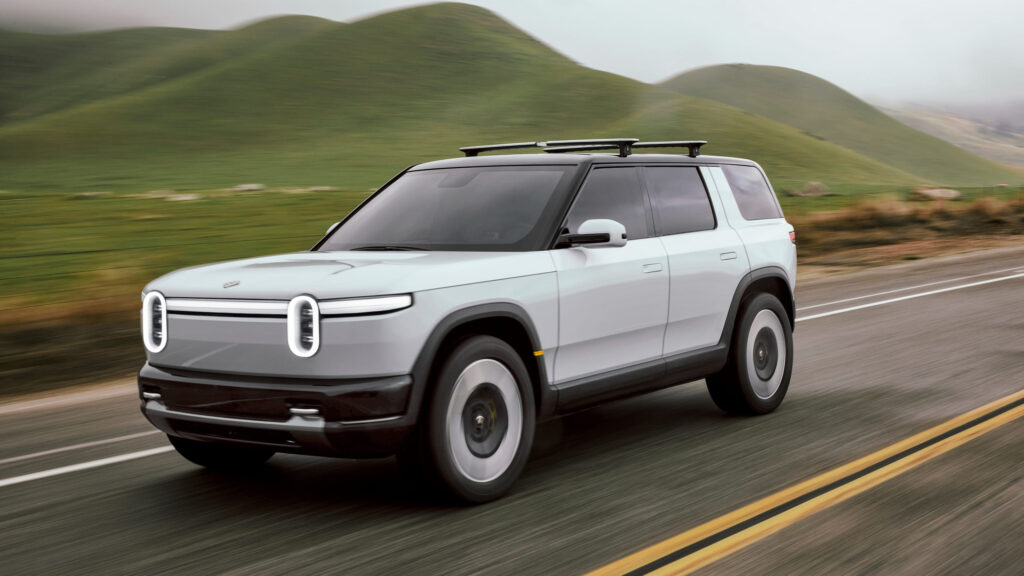
Far less of a nail-biter will be Rivian’s launch of the R2 model in 2026, with the smaller SUV’s reveal in concept form having been one of the company’s most positive moments in its entire history.
The boxy R2 will bring Rivian within striking distance of the aging but popular Tesla Model Y, expected to land with a starting price of just $45,000 in single-motor guise. But dual- and tri-motor models will be on the menu as well when the whole range arrives, bringing off-road capability to Rivian’s smaller model.
More importantly, the R2 will bring Rivian’s offerings into the price window for far more EV shoppers than the R1S ever did, even with the demise of the $7500 EV tax credit, while offering a more compact and city-friendly footprint.
The hard part for Rivian will still be execution that lives up to the positive hype of the concept, with significant investments required at a crucial time to make the first year for the R2 a success.
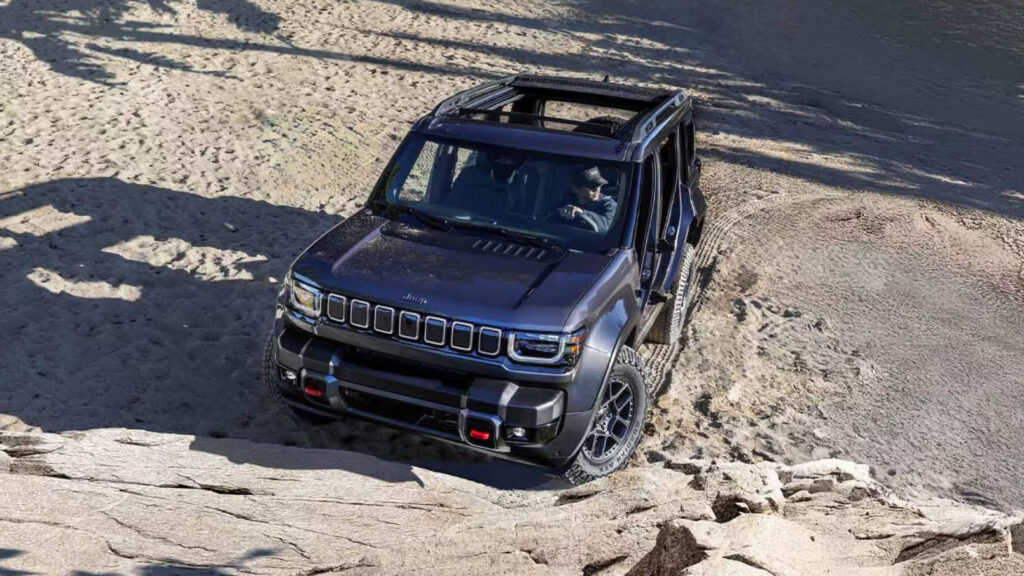
The Jeep Recon, due on sale any minute now, will be the brand’s third EV overall, but merely the second one to be offered stateside after the very muted launch of the Wagoneer S in early 2025. More importantly, the Recon will be everything that the Wagoneer S is not, offering an upright and boxy layout, real off-road skills, and a slightly more digestible starting price.
The Recon, in effect, will be testing the waters for an electric Wrangler, while offering a less spartan cabin than the longtime Jeep favorite. It will also be far heavier than the Wrangler ever was with a weight of 6,112 lbs thanks to a 100-kWh battery pack providing 650 hp and 620 lb-ft of torque, while still offering a 0-to-60 launch time of 3.6 seconds.
Just how well all of these numbers will be able to coexist in one vehicle remains to be seen, though a sticker of $66,195 sticker will perhaps be a heavy lift for those looking for an electric replacement for their Wrangler.
With the Recon, Jeep will also find out just how much of an audience there is for an electric 4×4 with a giant battery that combines everyday usability with trail-rated capability. The brand will also learn whether it will be longtime Jeep faithful who will be buying the Recon, or repeat EV buyers looking for more off-road capability.
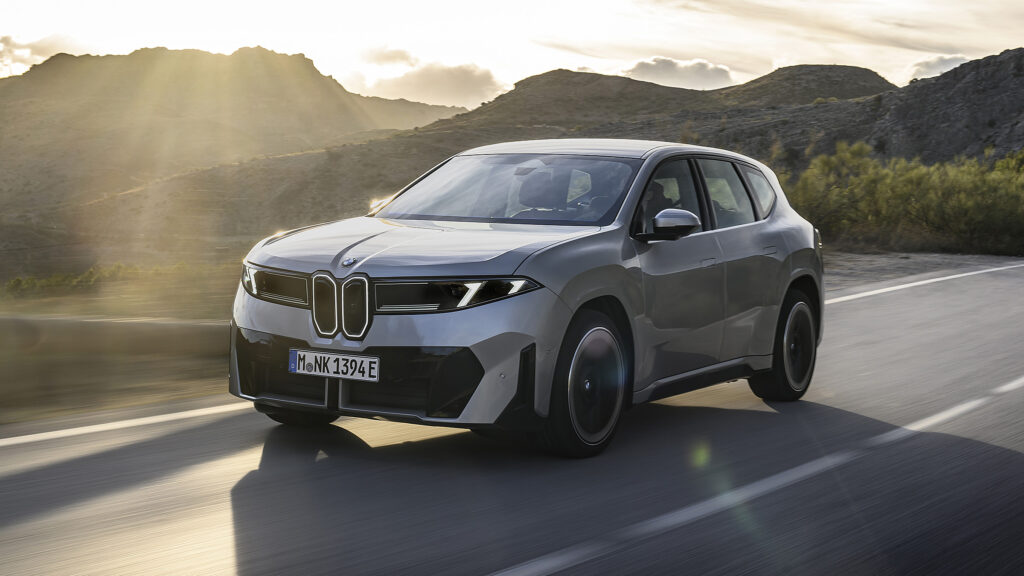
BMW has pinned its EV futures on the Neue Klasse lineup, with the iX3 set to kick off the next generation of electric models in America in the second half of 2026. It certainly helps that the iX3 will not be a six-figure electric sedan, in contrast to some of the previous models mentioned thus far. Far from it, it will be an electric version of the X3, which has been one of the company’s best sellers for the past two decades. At least in ICE form.
With a standard dual-motor layout good for 463 hp and a range of about 400 miles, the iX3 already has a lot going for it. A fresh yet inoffensive exterior design should help grease sales, with the 2027 model expected to start around the $60,000 mark. This will help the iX3 maintain some distance from the Porsche Macan Electric, positioned $20,000 north, and the Audi Q4 e-tron will likely represent the most direct competition for the iX3.
More importantly, the early success of the iX3 is likely to shape if not dictate the broader success of future Neue Klasse models stateside.
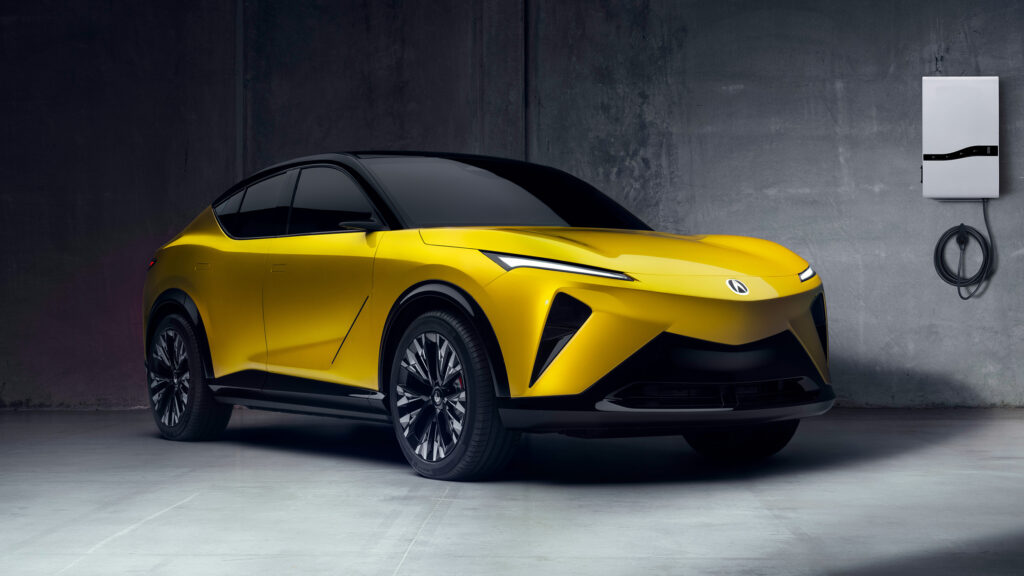
With the untimely departure of the Acura ZDX, Honda and its luxury division will be relying solely on the Honda Prologue for the next few months. But another electric Acura is on the way in 2026, with the smaller RSX set to define the brand’s electric fortunes for the near future.
Unlike the Ultium-based ZDX, the RSX will be built on Honda’s own electric platform and will feature a dual-motor layout in standard form. Set to be assembled at Honda’s EV hub in Ohio, the model won’t be subject to tariffs and other supply chain unpleasantness now affecting foreign-made EV models. The crossover will also serve as the launch point for ASIMO OS — the automaker’s new, proprietary operating system named after Honda’s longtime humanoid robot project.
“With powerful dual-motor all-wheel drive, sport-tuned double wishbone front suspension, low center-of-gravity and Brembo brakes – all standard – RSX promises to deliver a fun to drive and engaging driving experience. RSX also will further advance the brand’s top-of-class driver assistive technologies,” the automaker said ahead of the concept’s debut at The Quail in August 2025.
Perhaps the riskiest aspect of the RSX will be the fact that it will be aimed rather directly at the Tesla Model Y and other similarly sized premium and luxury EVs with an expected starting price just north of the $50,000 mark. And it will have to find a way to stand out in an already busy segment.
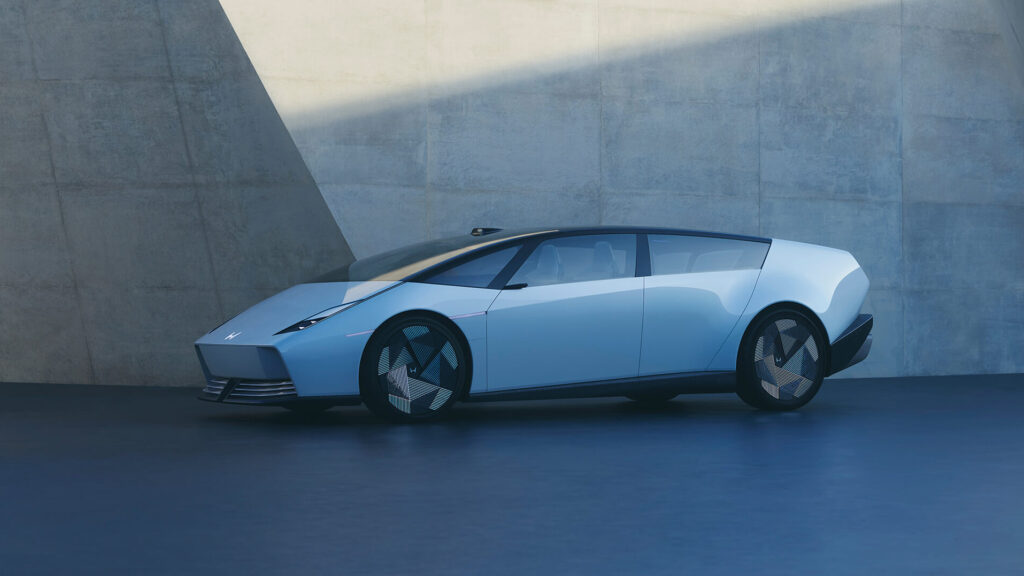
Yet another Honda EV due in 2026, and one with a far less certain future, will be the Honda 0-Series four-door due in the second half of 2026.
Featuring a truly futuristic exterior design, the wedge-shaped model already looks like a prop from a sci-fi film, and will be based on Honda’s own in-house EV platform. But relatively little is known of its production specs for now, other than the fact that it will offer a range of about 300 miles.
Honda will be entering uncharted territory with this avantgarde design, especially after the conventional and inoffensive Prologue, which could make its pitch to longtime Honda buyers a bit of a challenge.
Recent Posts
All Posts
March 16, 2026
March 12, 2026

March 11, 2026
Leave a Reply