Robot
February 17, 2026
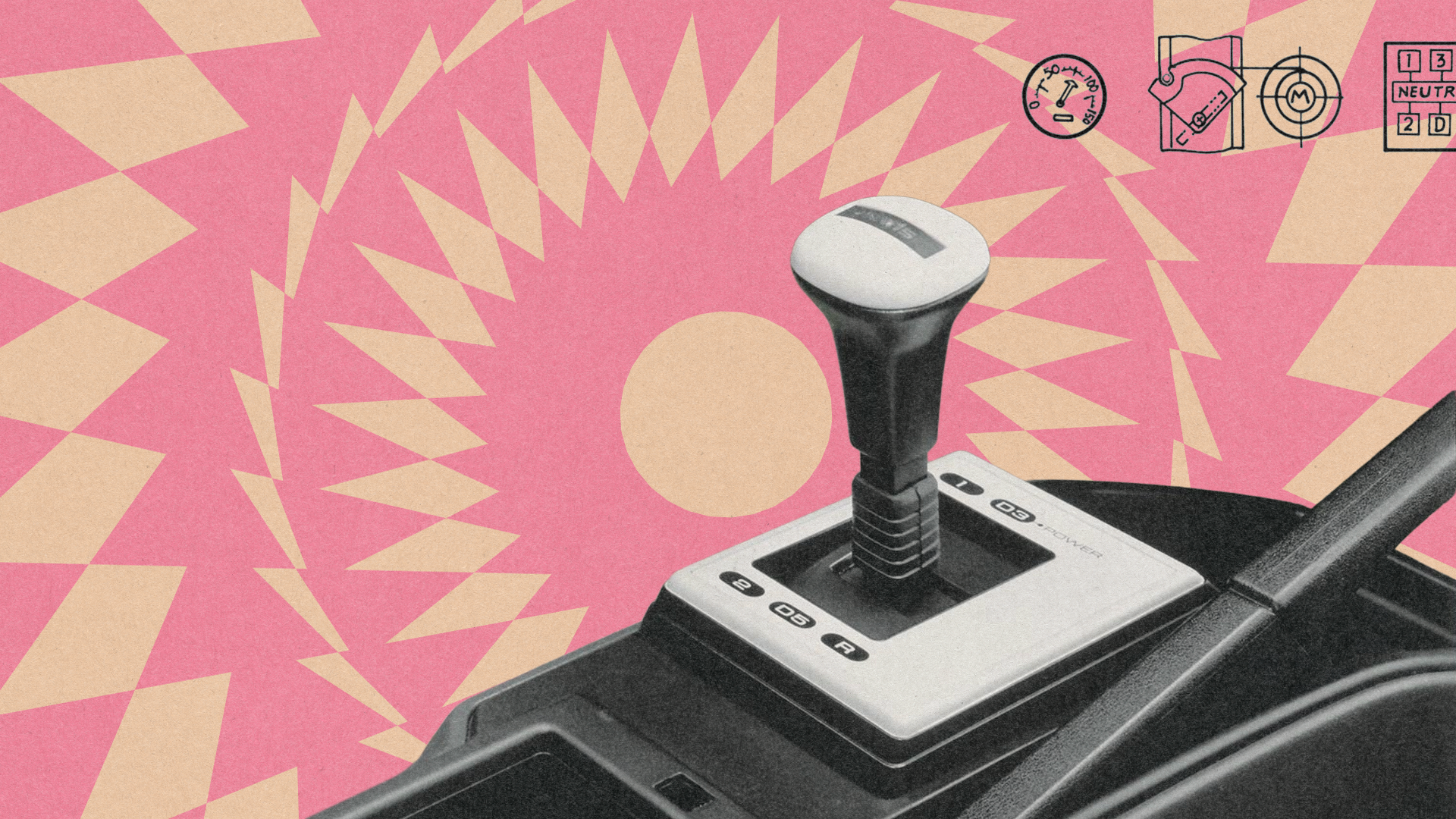
Alex KiersteinThe Isuzu NAVI5 might be the most obscure of the many automated manual transmissions that came before the advent of the dual-clutch.
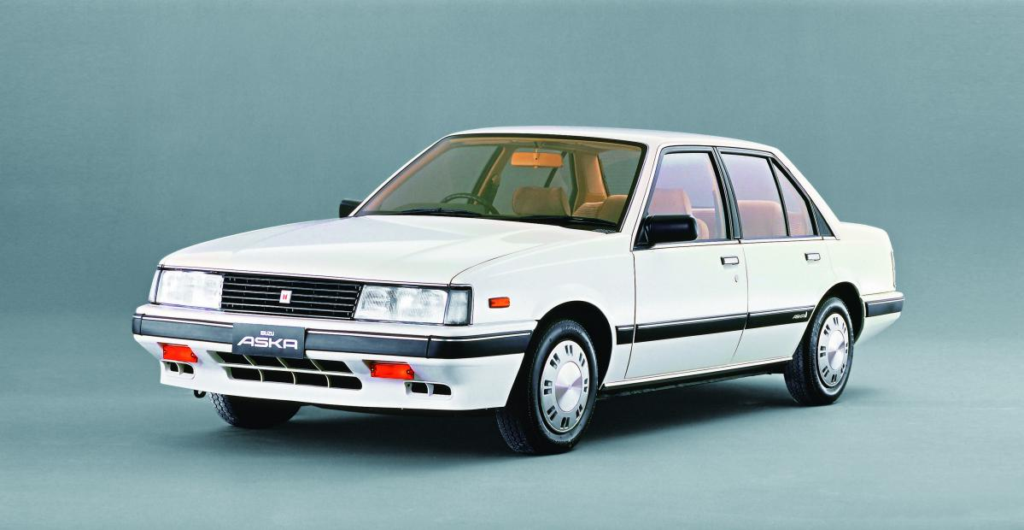
It’s 1984, and in Japan, the future is on every automaker’s mind. Especially Isuzu, which was hawking an aging range of very old-feeling cars. Other automakers were out there doing digital dashes and putting decals advertising advanced engine features right on the flanks of sporty, futuristic cars. Isuzu was just getting around to replacing its facelifted Florian, which looked like a rejected third-rate Soviet Bloc sedan, with the GM-sourced Aska.
The Aska (as well as the Gemini, Elf truck, and Cubic bus) featured a very advanced, very electronic semi-automated transmission, to further distance the company from its staid image. The transmission was called the NAVI5. It did not go over well.
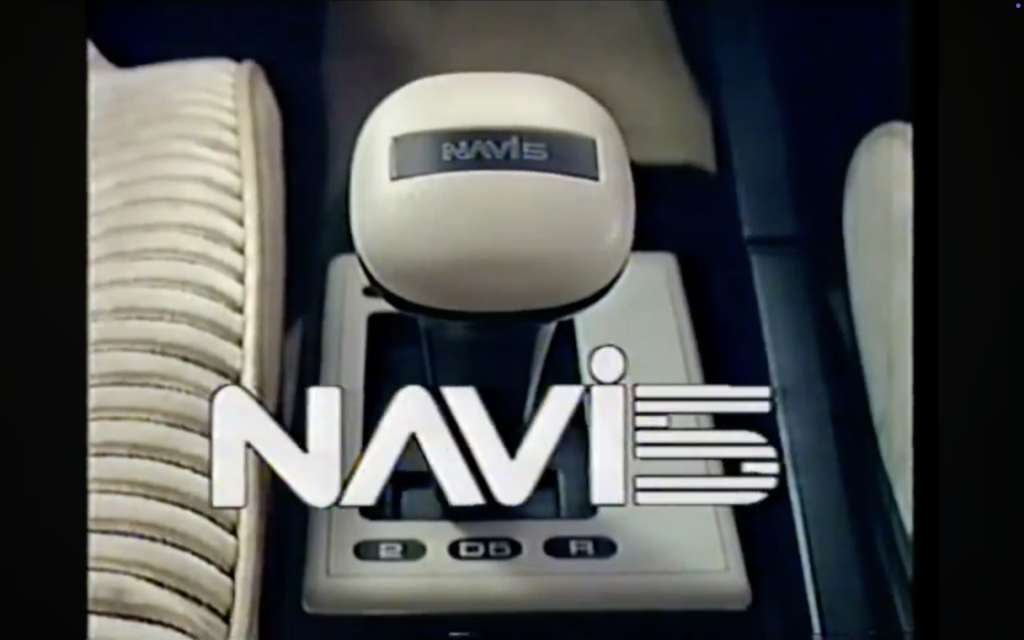
Before delving into why all of your favorite Isuzus didn’t have this intriguing clutchless manual transmission, let’s start with the promise of it. The elevator pitch. Imagine the fuel economy of a manual transmission with the ease of an automatic, but also the driver has some control over gear selection. Automatic modes. Gear range selections. Manual gear selection. All managed by an 8-bit computer. Also, no dangerous creep at idle. The shift knob looks extremely cool.
As the Isuzu team imagined the concept, “A transparent, spatial robot with human-like sensibilities sits in the driver’s seat. The sensory robot handles the tedious clutch and gear changes typically performed by a driver. The real driver in the driver’s seat simply operates the accelerator and brake to communicate their intentions to the robot.”
This idea carried over into marketing, as commercials pitched it as “a driving robot”—an electronic friend tucked away in the transmission doing the hard work of shifting for you.
This was different than both an automatic with manual gear selection, and previous mechanical “clutchless” manual transmissions (which used mechanical switches, linkages and hydraulics, usually, to operate the clutch, as in the Volkswagen Autostick, et cetera). NAVI5 was an actual manual transmission with an electronically controlled, hydraulically actuated clutch. It could also adjust the throttle during shifts, and prevented damage caused by incorrect gear selection (apparently it could override a manual gear selection choice that was outside the parameters of its shift mapping).
Some sources describe NAVI5 as incorporating both shift-by-wire and throttle-by-wire, which would make it one of the first (if not the first) such systems with both features.
I can certainly imagine a world in which Porsche didn’t develop the PDK until later, for whatever reason, and for a time electronically controlled manual transmissions with a fully automatic mode became an accessible but semi-sporty option.
Unfortunately for Isuzu, the NAVI5 sounded better in advertising than it worked on the road. I’m relying on the fifthteenth-hand hearsay bouncing around the internet here, but it seems like the NAVI5 had a few flaws. One was that it didn’t have a creep function like a traditional automatic. Isuzu pitched this as a safety feature in a Society of Automotive Engineers of Japan paper, but it also meant that the driver had to work hard to pull away from a stop smoothly. Think about the low-speed drivability issues of some of the early single-clutch units, like Toyota’s SMT and the early Smart Getrag transmissions. Imagine all that, with 1980s electronics controlling the whole thing.
The shift mapping was also panned. The computer’s output didn’t always match the situation well, sometimes shifting into too high of a gear, causing slow acceleration. Shift times were long. Drivers expressed frustration about, for example, matting the accelerator but not getting a downshift. Some drivers, allegedly, were hesitant to merge, fearing that they’d be stuck in the wrong gear, puttering into fast-moving traffic. Manual gear selection helped somewhat, but a true solution would be further development.
That’s something that NAVI5 didn’t get. It was dropped in the late 1980s or early 1990s, depending on the vehicle application. It wasn’t a dead end, though. Isuzu’s truck division benefited from the NAVI5 experience and the “Smoother” automated-manual transmission series carried on for years.
Recent Posts
All Posts
February 27, 2026

February 26, 2026
February 25, 2026
Leave a Reply