Maestro
February 10, 2026
Cole Pennington
The Lancia we fell in love with may have died, but one man is keeping the company’s spirit of yore alive in the hills of Liguria.
Even though it’s part of the Italian Riviera, the ancient Ligurian city Savona is much less of a destination than nearby Portofino or Cinque Terre. Ferrari isn’t naming any models after the industrial port city, where raw goods arrive and mid-tier Mediterranean cruise ships depart. The town draws regular tourists for Majolica, the famous blue-and-white ceramic wares that come from there and a handful of focused car people make their way there for the Giro dei Monti Savonesi Storico, a locally organized vintage rally through the hills just outside town. Unless you’re one of those people–or a Lancia owner–odds are good that you’ve never heard of Savona.
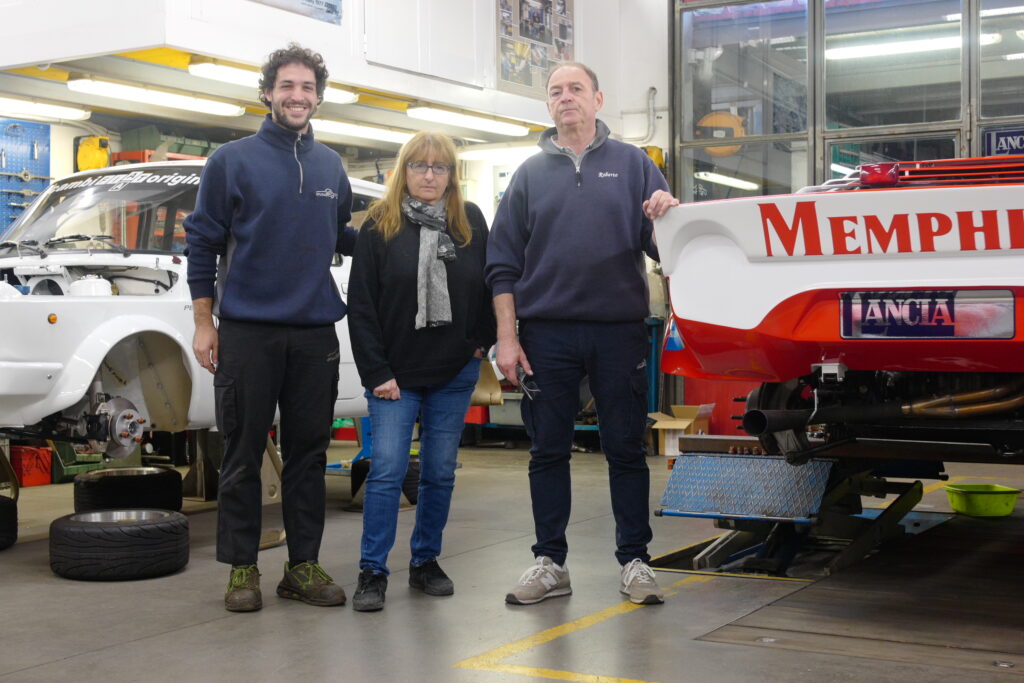
Fulvia and Stratos owners may know that the city is home to Officina Ratto, the world’s premier tuner of those legendary Italian platforms. “Customers have shipped their engines, and sometimes their entire car, from as far away as the US, Germany, Portugal, and even Japan,” Roberto Ratto, the Lancia wizard, tells me via translation by Vilma, who runs the administrative side of the shop.
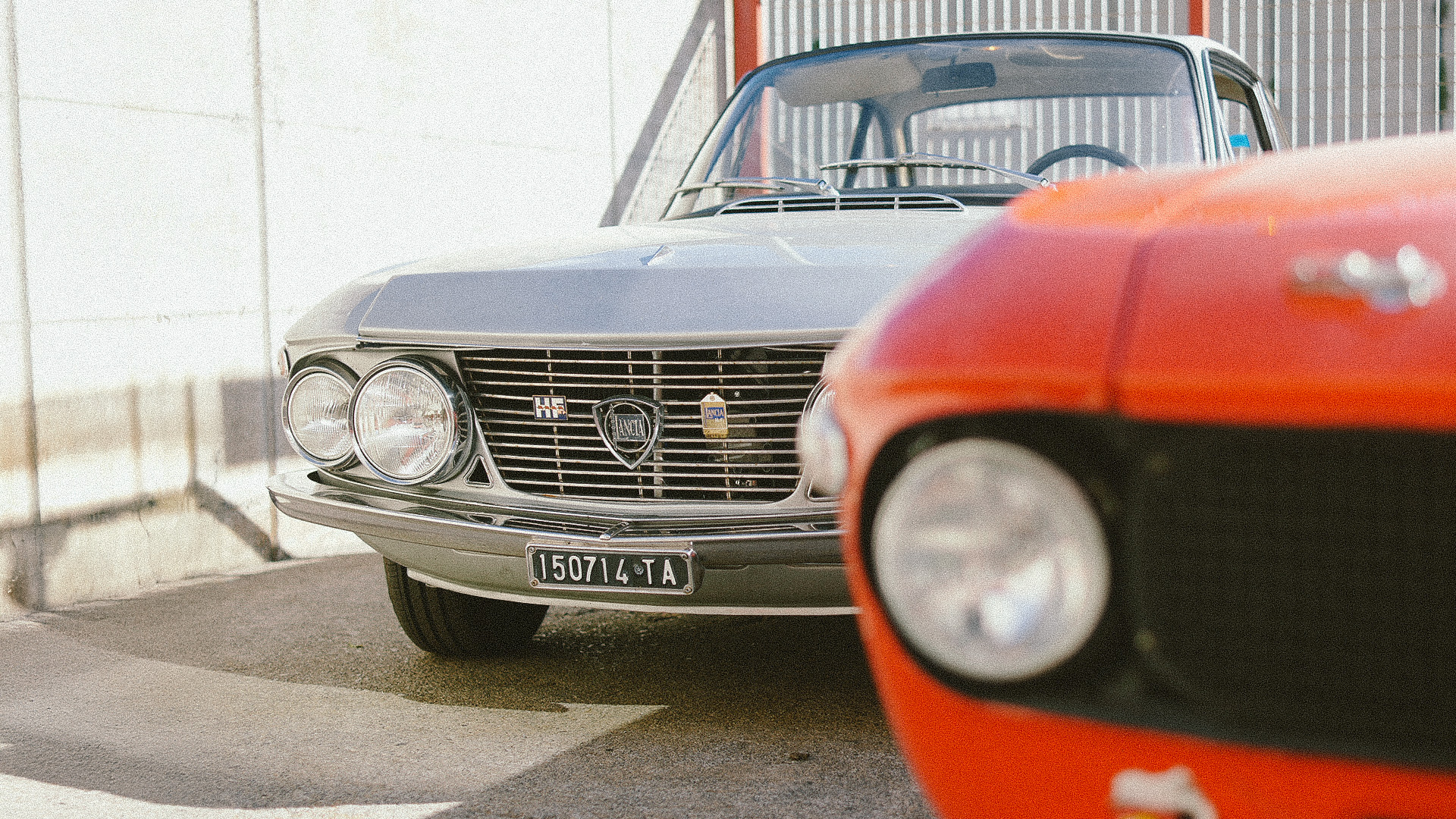
The shop, Officina Ratto, is tucked away in an industrial park perched above the historic town center, and just behind the high fence a grigio Fulvia HF, or “Fanalone” (meaning “big eye”) is parked alongside another chopped-top Fulvia, modified barchetta-style with a hoop and a streamlined windscreen. The Fulvia doesn’t get as much love in the car community as the 911 or the GTV, but you can think of Officina Ratto as the Singer or Alfaholics of the Lancia world.
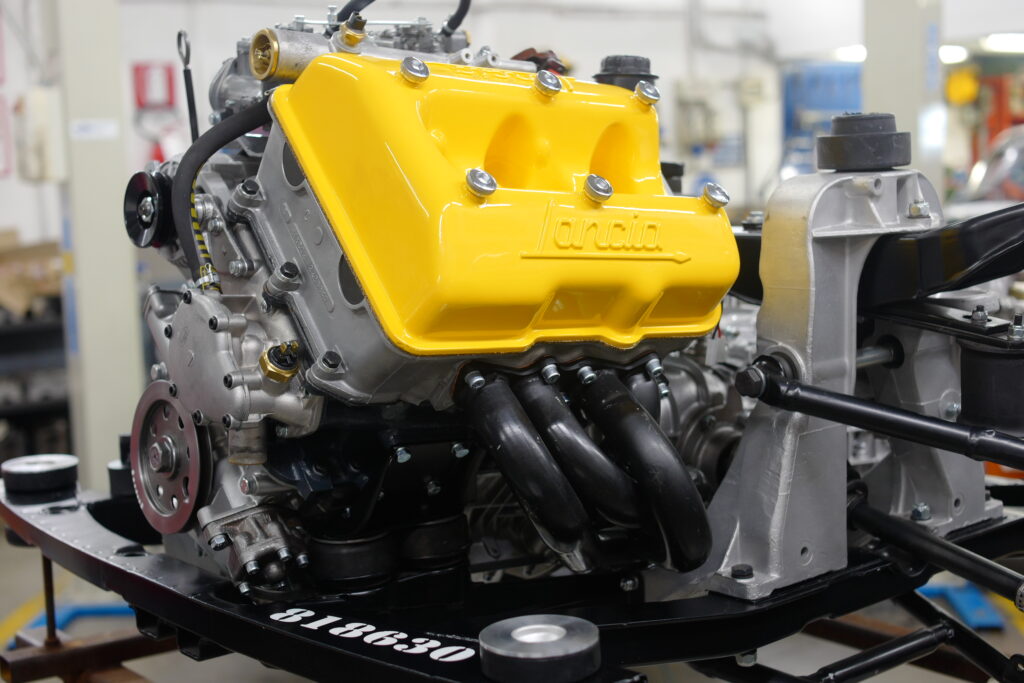
“The Fulvia was brilliant, but even from the beginning it needed optimization,” Ratto says. He remarks that since the engine is such an unusual design–a V4 mounted at a 45° angle–it’s hard to squeeze more power out of it using techniques that work for typical contemporary inline designs. “To really tune this engine, you must have a dyno, there’s simply no other way to understand what’s going on,” he tells me as we walk towards a small section of the shop where he built out a dyno room complete with sound deadening and exhaust venting. Resting outside the door is a 1.3 liter motor waiting to go in for testing. Ratto doesn’t change the displacement of Lancia’s original engines by boring a stroking the motor; there’s a certain purity to the original engines that he endeavors to preserve. Instead, he builds power by upgrading the internals using custom pistons of his own design, manufactured by a local machine shop. “The goal is to make reliable power, no matter if you build it for stradale or corsa (road or track), reliability is necessary. Ratto’s modified engines work in unison with his own suspension and exhaust upgrades to transform the cars into race-winning machines. A Ratto-prepped Fulvia took seventh place out of 100 cars at the last edition of the Peking to Paris rally. His Group 4 builds are what people ship their car to Savona for. Those take about two years from start to finish and start at $25,000. Ratto will make your car into a fast road car for between $12,000 and $15,000.
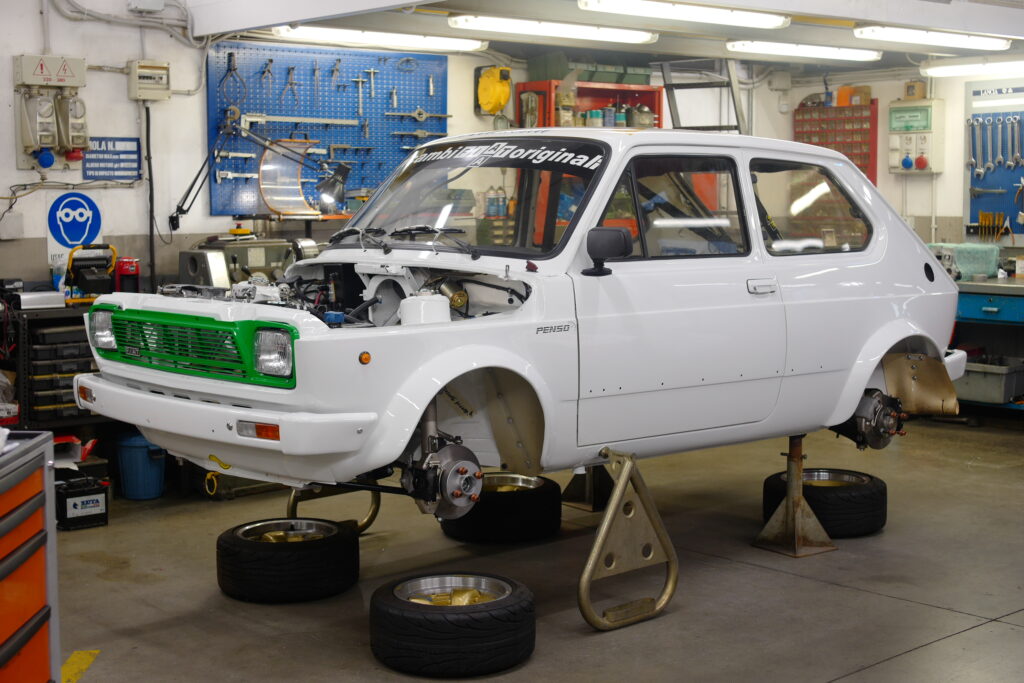
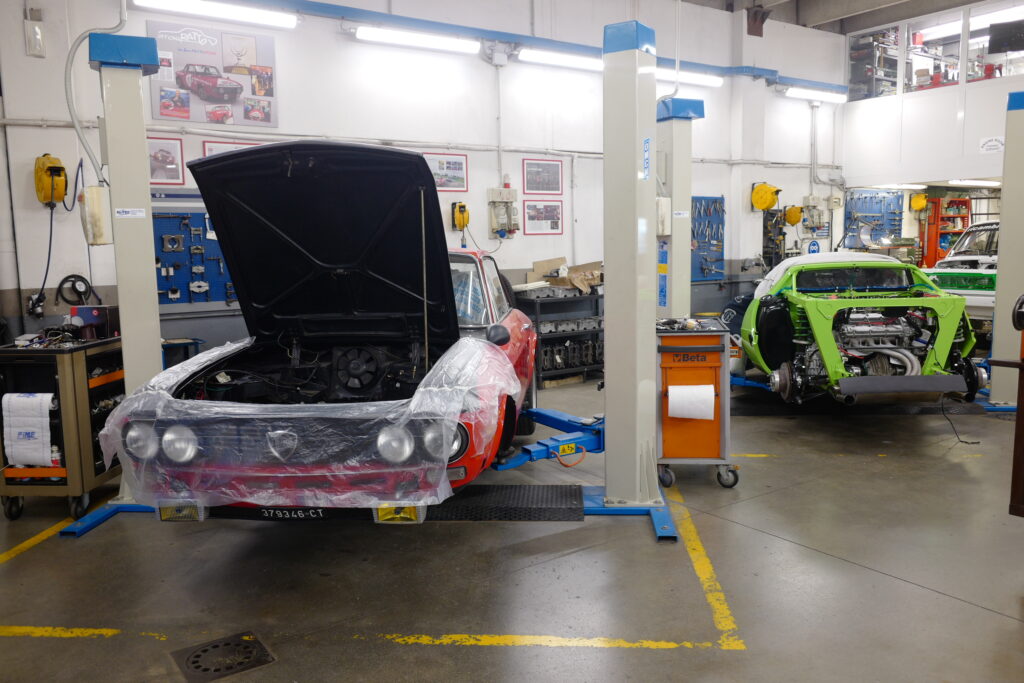
Rather than “restomods” which incorporate the latest tech into a classic platform, it’s more appropriate to consider Ratto’s cars extensions of the Lancia engineering philosophy from the ‘60s and ‘70s. Ratto works closely with Gianni Tonti, the chief of the reparto corse division, which ran the legendary HF Racing Team at Lancia in the ‘70s. Tonti brings institutional knowledge to the operation as well as specific performance engineering know-how from notebooks he compiled during his 20 years at Lancia prepping factory race cars.
Right now, Officina Ratto gets new business strictly through word of mouth; there’s no social media and very little online presence. As for expanding, Roberto says the wait list for a Ratto treatment is long enough as it is.
Recent Posts
All Posts
February 27, 2026

February 26, 2026

February 25, 2026
Leave a Reply