End Screen

October 1, 2025
Brett Berk
Luxury automakers realize we all want a break from our screens.
Automakers are realizing we all want a break from our screens.
In-car LCD screens from Mercedes, BMW, and Cadillac are now measured not in inches, but in feet, and continue to proliferate. They stretch from one end of the dashboard to the other, dominating the interior and controlling nearly every vehicle function from changing the radio station to adjusting the climate vents. They’re integrated in center consoles front and rear, on seatbacks, and in armrests. They take the place of side- and rear-view mirrors, and fold down from headliners in Cinemascope scale. They even appear on key fobs.
In addition, these cars incorporate such sophisticated advanced driver assistance systems that they can, in many situations—from highway slogs, to two-lane surface streets—pretty much drive themselves, even changing lanes and merging on their own. Electric vehicles from these manufacturers make do with silent single speed transmissions. Even Ferraris and Lamborghinis sport solely automated gearboxes.
With all this digitization and technology disconnecting drivers from the experience of driving, the latest trend in top-tier automobiles is direct and analog engagement. “Complexity and craftmanship has become the real luxury,” says Bugatti CEO Maté Rimac.
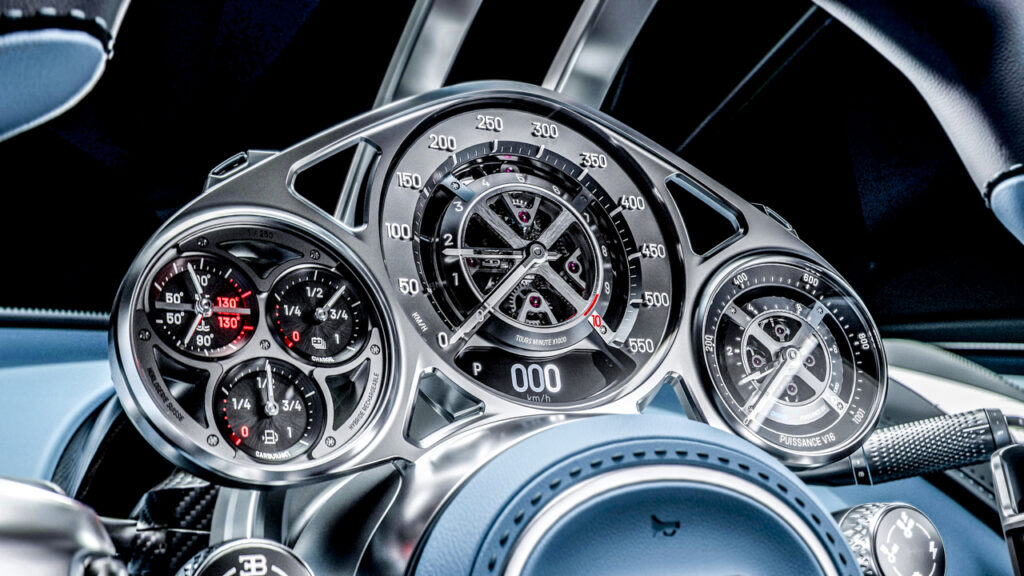
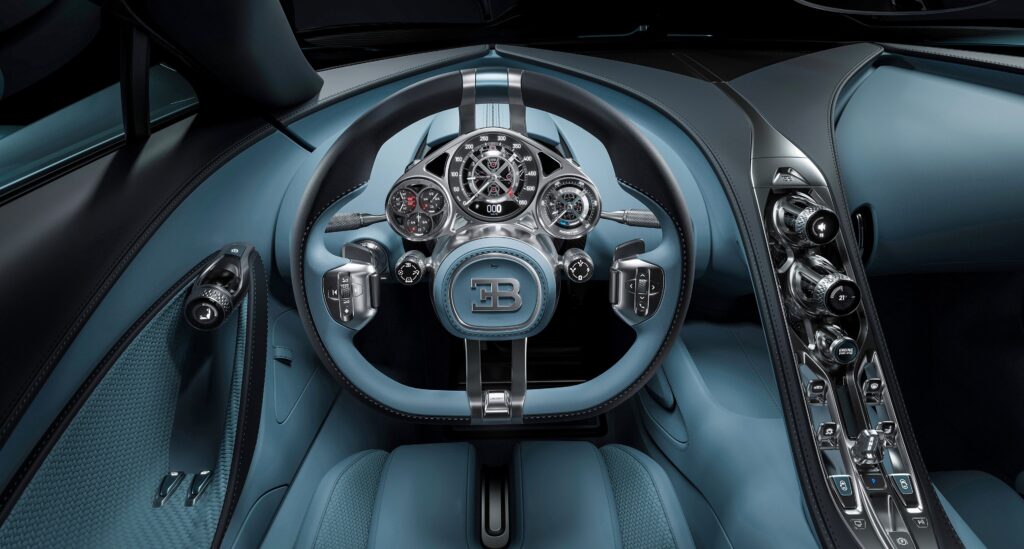
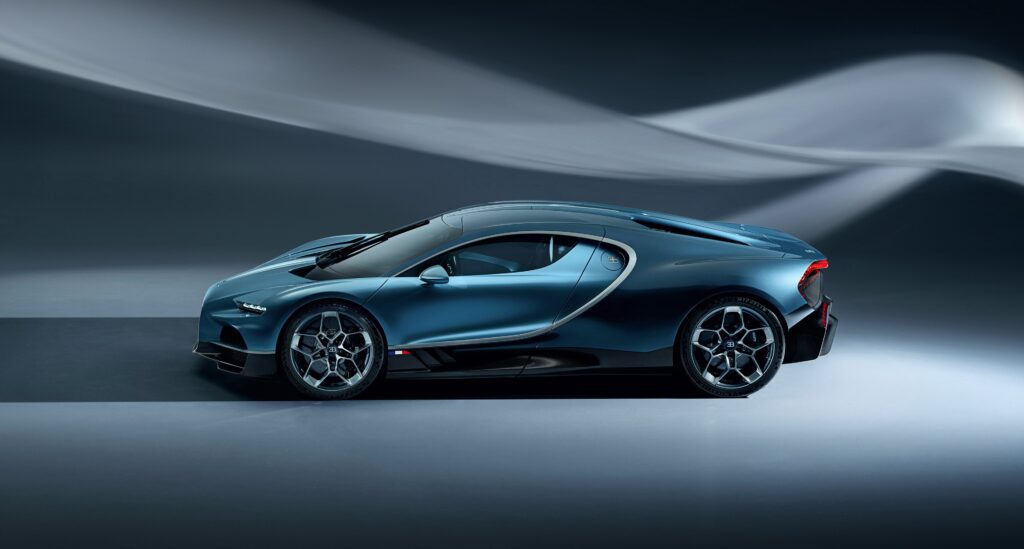
The forthcoming $4 million Bugatti Tourbillon attempts to exemplify this aesthetic, with a lack of visible screens anywhere in the vehicle, beautifully rendered billet metal switchgear for all regularly-used functions, and, most notably, an instrument panel inspired, and built, like the ultra-hypercar’s namesake mechanical timepiece, by Swiss watchmakers.
“We wanted that every part can be displayed as a showpiece in an art gallery, such as the 3D printed suspension components, the engine, the pedal assembly,” Rimac says. “We developed that approach in totality, celebrating the mechanical in every way.”
Some of these changes may be driven, in part, by manufacturers’ attempts to stay ahead of emerging safety standards. In 2026, European New Car Assessment Program regulations will only issue top safety ratings to vehicles that incorporate physical, analog controls for regularly used features like horns, turn signals, windshield wipers.
But this trend also aligns with those emerging in other luxury categories: the warming implementation of reclaimed wood, wallpapers, and patinated furniture in interior décor; the prominence of gently owned designer clothing at red carpet events; the implementation of analog hi-fi equipment in private clubs and listening bars; and, the obsessive popularity of new and vintage tourbillon watches. Wellness resorts in which vacationers ditch their electronic devices to immerse themselves in social connection or meditative experiences are also part of this.
Other pinnacle automakers are also reevaluating the current technological paradigm, admitting it lacks alignment with the needs of their clients. “There must be a rebalancing between digital and analog interactions, depending on the principal users—a system that is too technological for its audience, even if it’s slightly more efficient on a purely objective basis, will never be a perfect fit for their desires,” says Enrico Galliera, Ferrari’s chief marketing officer. “We still believe there is a performance advantage to digital technologies, but there are important features and iconic interactions that should remain physical. The future is a blend of both, unlocking more performance but still respecting heritage.”
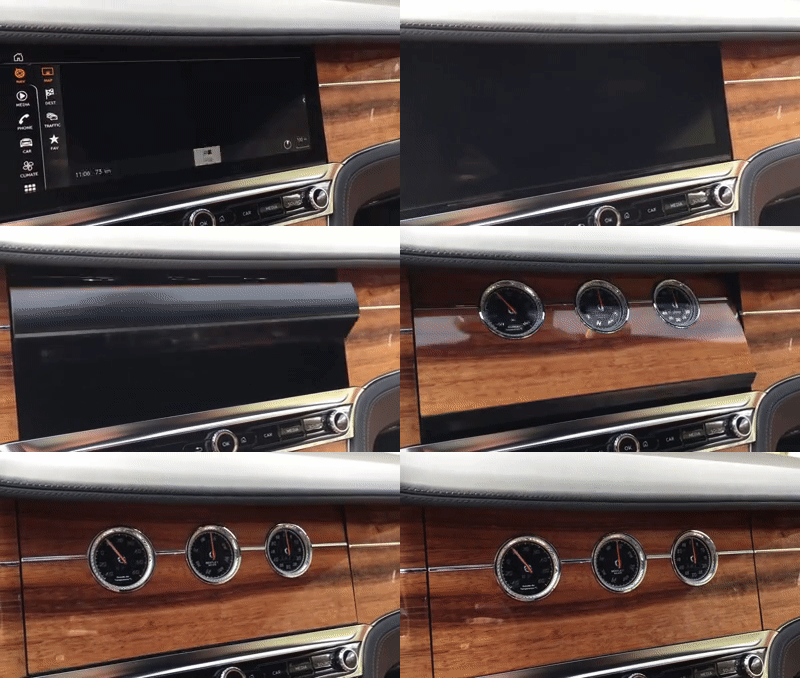
Bentley’s Continental GT coupe and convertible and Flying Spur sedan were early adopters of this trend. In 2016, the Flying B brand introduced a rotating triangular display integrated into the central console of these vehicles that could—like an old trivision billboard—present a central LCD screen, or spin to an array of analog gauges, or a blank veneer that perfectly matched the interior trim. This “innovative use of traditional elements,” according to Bentley, was adopted to “underscore Bentley’s unique commitment to the past and the future.” To enunciate its dedication to craftsmanship, but also to facilitate a calming or sporting in-cabin experience.
Furthering this initiative, Bentley’s recent EXP 15 concept car appeared this summer with a “Mechanical Marvel” as the centerpiece of the dashboard. This device resembles a giant IBM Selectric typewriter stylus, albeit one impregnated with LED lights, and hidden behind a smoked glass vitrine like some conceptual art piece. It can act as all manner of gauges or interfaces, including compass, battery charge monitor, or presumably Astrolabe.
“We think people are going to get fed up with a fully digital experience and are pining for physical mechanical elements too,”
Bentley’s design chief, Robin Page.
“In the high luxury sector, clients require more of an experience.” Page also notes that such shifts align with Bentley’s core aesthetic principles, which include “Magical Fusion” and “Cocooning Haven.”
Mercedes recently reversed course, shifting the control mechanism for the retractable top on its SL–in Maybach form–from an annoying capacitive slider buried in the central touch screen, to a simple toggle switch. Ferrari, after much grousing from customers and reviewers, has replaced the corruptive capacitive electronic sliders on its steering wheels with hard buttons.
According to Galliera, this update will roll out across all models, beginning with the new 296 Speciale. Moreover, it will be available as a retrofit for previous cars starting in November. Rumors are even circulating that the firm may return to traditional gauges.
“In a world where digital technology is commonplace in every aspect of life, thoughtful analog interactions that conjure meaningful feelings are an avenue to distinguish products, especially in the ultra-high-end space,” says Galliera, neither confirming nor denying the reappearance of orange needled tachs and speedos, but enunciating their core appeal. “This is most apparent at Ferrari, where every element of the brand–from a vehicle’s sound, styling, and performance to the customer’s purchase journey–is meant to drive emotion.”
Will this also mean the reappearance of manual transmissions in Ferraris? Self-shifting now certainly decreases off-the-line acceleration and fuel economy. But for those shopping in this thin slice of the automotive market, as Galliera says, the temperamental trumps the rational.
To wit, manual transmissions have seen a slight rebound in popularity in recent years, driven mainly by enthusiast buyers seeking differentiation and engrossment. While only around 2% of American new car buyers purchase a car with a manual transmission, the few sports car brands like Porsche, Lotus, and BMW that still offer stick shifts in select models have seen take rates on those gearboxes increase significantly. In some high-end models, manuals account for half or two-thirds of sales.

Customers are even clamoring for manuals in seven-figure hypercars, where bragging rights regarding top performance specs have long been a primary focus in the category. Manufacturers like Pagani, Koenigsegg, and Gordon Murray Automotive are obliging. Murray, the father of the McLaren F1, says he incorporates self-shifting in his vehicles in order “to provide a more engaging experience, and a tactile connection with the vehicle.” A primal handshake between human and machine.
Aston Martin recognizes this as well, and has integrated manual transmissions into its limited-edition “Specials” models like its $2.5 million retro-themed Valiant coupe. But the marque doesn’t currently offer a manual in any of its regular series production cars. “Aston needs a manual transmission to remain competitive,” CEO Adrian Hallmark says, flatly.
One need look no further than the vibrant vintage car market to witness the ongoing allure of stick shifts. Manual transmissions now routinely garner a 10-20% premium over automatic transmission models on mainstream classic sports cars like Corvettes or Mustangs. This differential can be even higher for specialty models, with certain manual transmission-equipped exotics from Lamborghini or Ferrari selling for more than double their automatic or automated gearbox peers, according to the valuation experts from Hagerty.
This kind of vision of long-term valuation, and reputation, are top of mind for contemporary carmakers as well. These ultra-luxury vehicles are viewed not only as investments, but as a means of perpetuating legacy, and status for the brands from which they derive.
“If you go to any concours, you will see one-hundred-year-old Bugattis,” says Rimac. “Now imagine how modern car’s interiors will look like in 20 years, in 50 years, or in 100 years. We are actually asking ourselves those questions, and thinking about a time when we will not exist any longer, but our creations will.”

Recent Posts
All Posts
August 3, 2026
July 30, 2026
July 27, 2026
Leave a Reply
You must be logged in to post a comment.