What is A Nice Car?
May 28, 2026
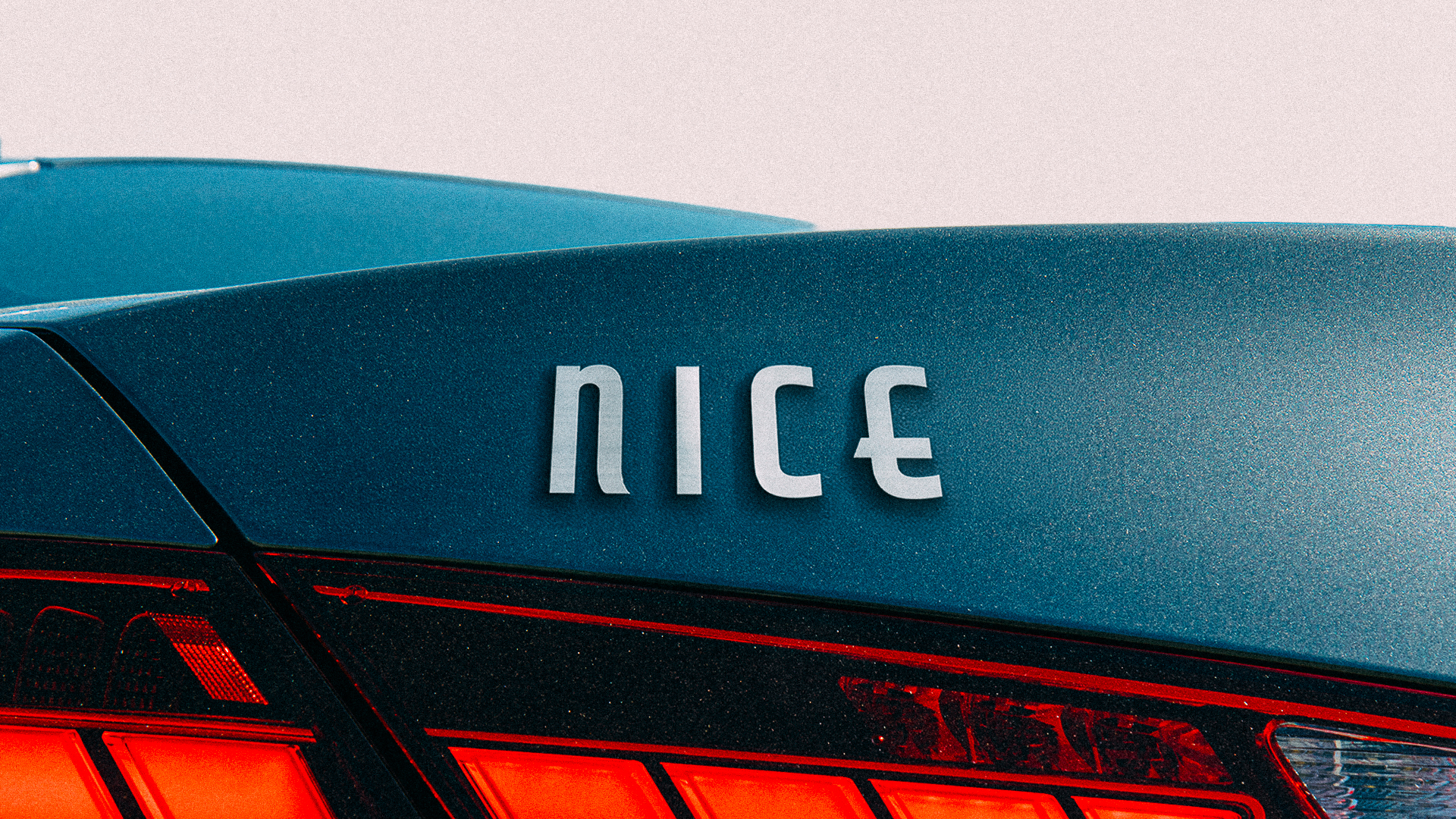
Rory CarrollA lot of cars can be described as nice. A lot of them have nice qualities. But not all of them are Nice Cars.
I’ve been talking a lot about the idea of the “Nice Car” recently and I am very pleased to see that the concept is being more widely discussed. The Nice Car has been around almost as long as the automobile itself, but the Nice Car as a taxonomic class with defined characteristics has its origins in Dad culture dating back to the middle of the last century. It’s related to the concept of the Nice House, Nice Kid, Nice Shirt and Nice Boat, but for obvious reasons we’ll be focusing on the Nice Car idea in this piece.
A lot of cars can be described as nice. A lot of them have nice qualities. As the Nice Car discourse has begun to pick up steam in recent weeks, I’ve occasionally seen the term misapplied, which carries the obvious risk of over-broadening the definition to the point of meaninglessness. So, before we go too far I think it’s up to me as a Thought Leader to define what a nice car is and what it is not.
The Nice Car is, specifically:
- A car with no sporting pretensions. The Cadillac CT5-V Blackwing is decidedly not a Nice Car. The standard CT5 is probably too engagement-oriented to be considered a Nice Car.
- A car with a roofline reaching no more than “chest height”, which according to SAE standards is 60 inches.
- A Nice Car is not designed for off-road use but it can be operated on mowed grass in the event of a graduation party, certain other family gatherings, or in some pre- and post-golf scenarios.
- A car that cannot be seen as a totem or enabler of any particular lifestyle/activity other than “transportation.” It should not indicate anything about its owner other than that he or she is in a reasonably stable economic position and travel to places by car.
- A car that is comfortable without being opulent. A 1963 Buick Electra 225 is a Nice Car. A 1963 Cadillac Eldorado is not a Nice Car. (Although a 1993 Eldorado is a Nice Car.) A Maybach is not a Nice Car and a Rolls-Royce is not a Nice Car. The level of comfort should be high enough to be taken for granted but not so high that it becomes a notable part of the experience itself.
- It is a car with at least apparently good build quality and rock-solid longterm reliability. A key part of the Nice Car experience is the comfortable assumption that the car will work exactly as intended. An abundance of squeaks/rattles and heavy oil consumption tend to harsh that crucial vibe.
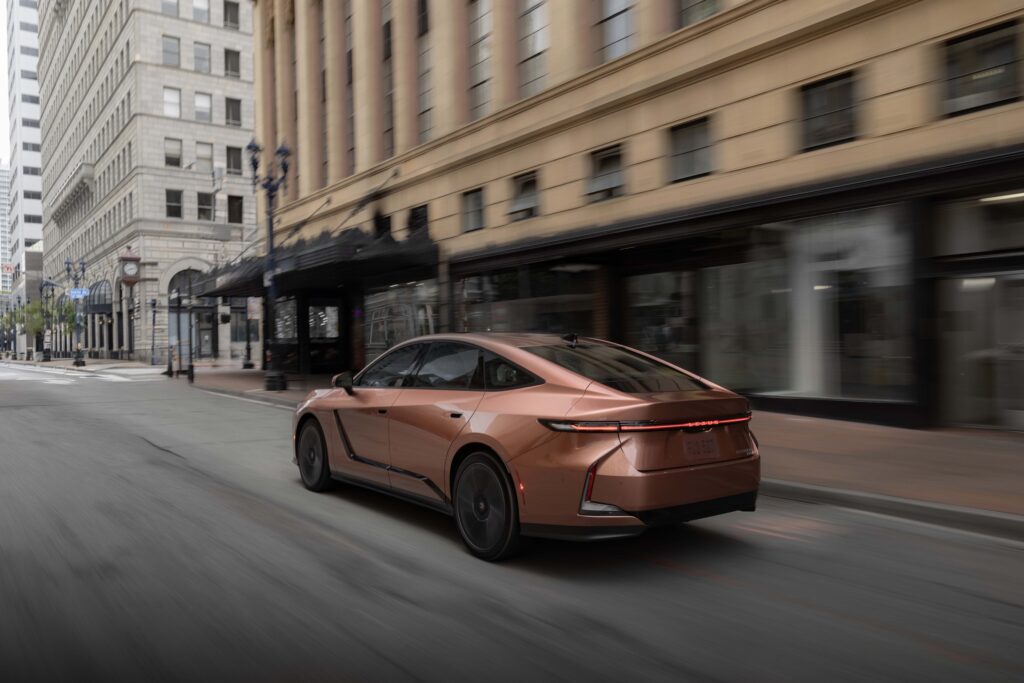
At the Lexus ES launch, longtime amateur Nice Car scholar Jason Torchinsky and I briefly sequestered ourselves to almost silently discuss the attributes of the ES with regard to its Nice Car status. It is obviously a definitionally Nice Car, something that Jason describes thusly: “A nice car has long ago accepted itself. It’s boring, sure, but it doesn’t care. It knows what it both is and isn’t, and feels zero pressure to be something it’s not. It won’t haul your gravel or go off-road not just because it can’t (it can’t) but because it never even occurs to it.”
America was once a land awash in Nice Cars. Almost every manufacturer produced them, and unless you were required by occupation, inclination, or financial situation to drive something else, you’d probably default to a Nice Car without ever really thinking twice about it.
For its many, many unforgivable evils, Nice Car America was a place where Nice was an end in and of itself, if not necessarily an aspiration. A time in which the drive to optimize everything, to account for every edge case, was less oppressive. (At least for the kind of people who bought Nice Cars.)
As a signifier, the Nice Car simply says “I’m comfortable, secure and normal. Everything’s more or less fine.” It’s maybe the most powerful statement a car can make.
4 responses to “What is A Nice Car?”
-
At a height of 61+ inches, the ES may redefine the 2nd point in your definition of what makes a nice car.
-
Dang it!
-
-
Great take. Am I right to infer that a nice car must also be a sedan? Or is there a world where wagons/hatchbacks make the cut?
-
I think so, in past years definitely. The problem is that a lot of the recent ones either fall into cheap, quirky, or enthusiast buckets.
-


Recent Posts
All Posts
July 17, 2026
July 16, 2026
July 13, 2026
Leave a Reply
You must be logged in to post a comment.