Over?
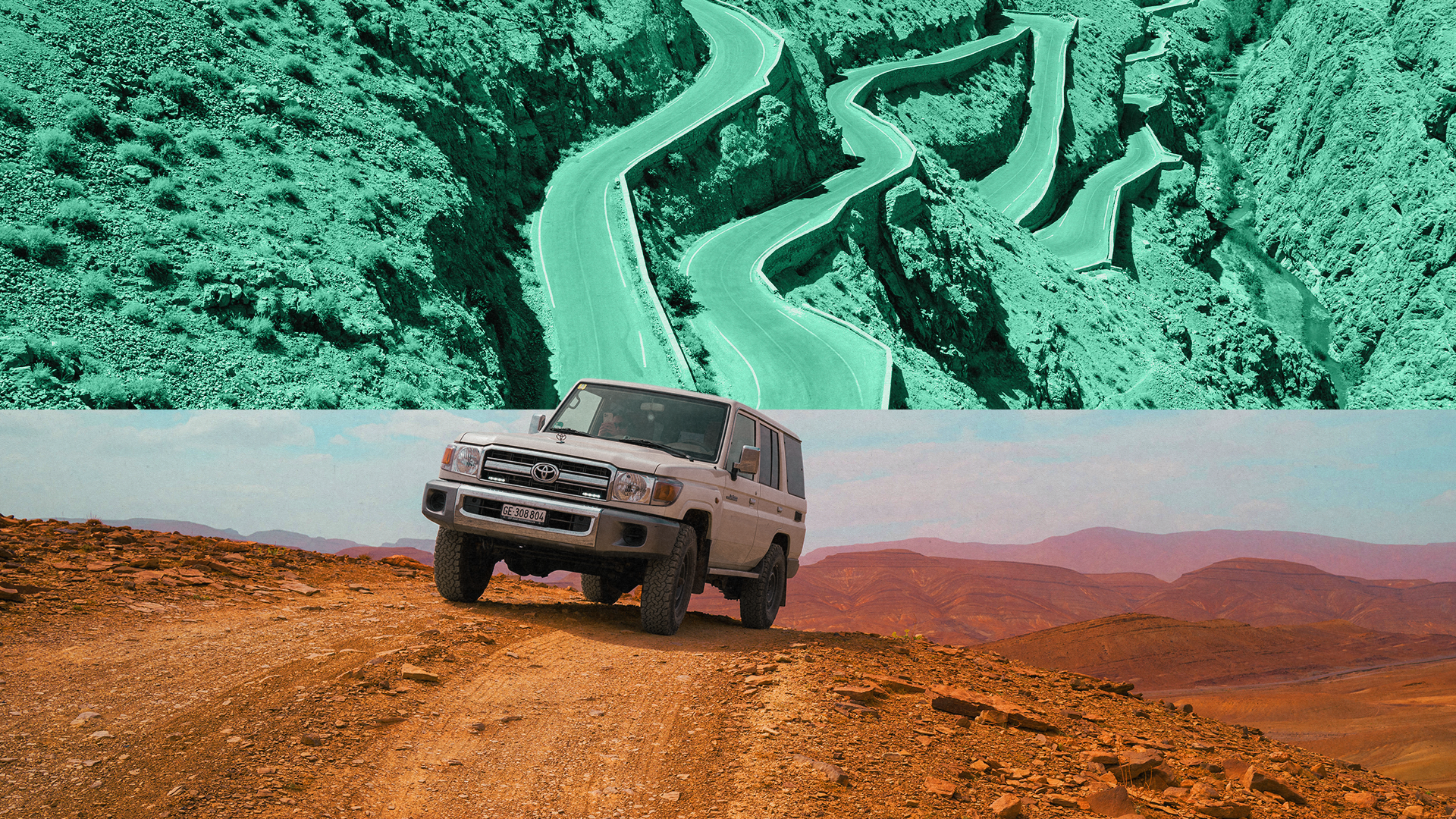
Overkill gear and a tough aesthetic do not make a rig cool. Using it is what makes it cool. It seems like we’ve finally figured that out, and what’s resulted is a wave of “Is Overlanding Finally Dead?” thinkpieces. The gist is that the pandemic-wave overlanders have left the chat and the die-hards and enthusiasts who were around before the boom still remain.
It’s exactly what’s happening across just about any enthusiast-driven hobby. The classic car bubble bursting that everyone was talking about? The market’s not crashing, but it’s cooling. The values of collectable watches, which got really hot during the pandemic, are down. Sneakerheads are watching their market collapse.
The numbers regarding overlanding tell a bit of a different story, however. According to a report by Overland Expo, 12 million Americans participated in overlanding in 2025, up from 8 million in 2024. Overlanding is an industry built around a hobby, and it’s drawing in massive numbers—1 in 4 overlanders has spent more than $20,000 in modifications. Overland Expo says.
So is overlanding really dead? Probably not. That’s typical sensationalist writing; but what is dead is perhaps pushing the overly romanticized aesthetic around the hobby. Consumers’ susceptibility to this type of trendy marketing seems to have reached its max.
Tariffs, soaring costs of living, and crazy gas prices have all eroded the pandemic-fueled YOLO economy that played so well with the overland aesthetic. Social feeds changed from featuring glamourized depictions of escaping reality in a beat up truck to a much different form of escaping reality: a penguin that’s leaving society behind to simply perish in the mountains.
Back during the pandemic, escapism was cool. It was a form of optimism that we benefited from, maybe even a coping mechanism. Today, we’re all too seasoned to buy into the narrative that overpaying for car parts can genuinely improve your quality of life. We’ve also grown wise after waiting in endless lines to get into national parks only to find hundreds of other people crowding the trails that we dreamed about being empty and escaping to.
The passion for overlanding isn’t dead among its enthusiasts, but the appetite for capitalizing on and commoditizing the hobby is. Overlanding maximalism, meaning “investing” in a ton of gear you don’t need, is in going away. In its place I hope a new trendy philosophy emerges: keeping your rig stock or making simple, minimal, and purposeful mods for your specific use case. And often, for most use cases, keeping it stock is just fine.
This minimalist gear philosophy is something I tried out a couple of years ago. Spoiler alert: it worked. I’ll never go back to big lifts, 35-inch tires, and crates of gear in the back of the truck that I never use.
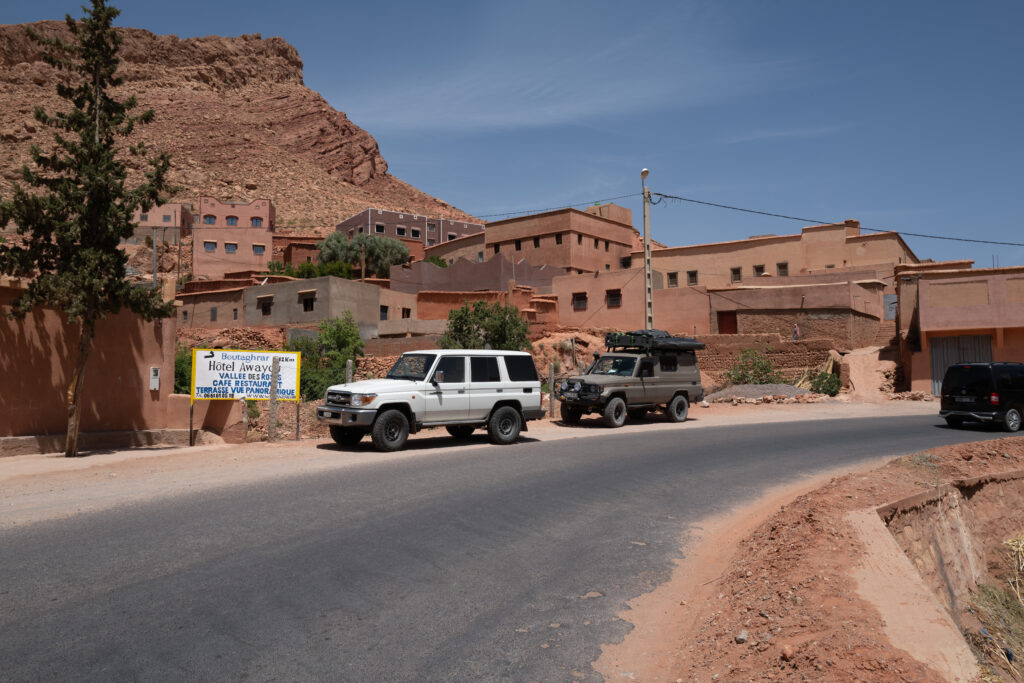
The Atlas Mountains, Morocco
A Renault Express van passed me in a cloud of dust on a tiny dirt road 7,000 feet up in the Moroccan Atlas Mountains, front wheels hunting around for a bit of grip on the loosely packed limestone and shale. There are no guardrails up there, and signage is makeshift if there is any at all. The only time our off-white Toyota encountered other vehicles was when they were passing us, usually in a ‘90s work truck or clapped-out Dacia Duster. It happened every couple of hours. Eventually it just became undeniable: most people living and working around the world in austere environments do way more with way less than anyone who frequently populates the hashtag #overland on Instagram.
The first thing I did after moving to Europe almost four years ago was look at what sort of 4x4s were available in the market that didn’t come to the US. The second thing I did was look at the ferry schedule to cross the strait of Gibraltar from Spain to Morocco. This exercise resulted in the procurement of a 2022 70-series Land Cruiser GRJ76, but driving to the continent of Africa took some time and preparation. A standard European work schedule meant frequent trips throughout remote parts of France, Switzerland, Austria, and Italy, driving off road and camping before taking on something more involved.
But what I learned from all of the small trips leading up to the Morocco one was that it really wasn’t that involved. Navigating the draconian policies around motorized vehicles used off road in Switzerland proved more difficult than actual land navigation in Morocco. Like with many things in life, the hardest part is the first 10%.
So how did I modify the truck for a Morocco expedition?
I didn’t.
I did next to absolutely nothing besides putting together a medical kit, camping gear, outdoor cooking gear, and enough food and water to hold us over in case we had a problem. I threw all this in the back, lashed it down with those neat little built in D-rings on the Land Cruiser, and got on the way.
When it came to both kitting out the truck and gearing up for the trip, I followed one basic principle: If I could get away without it, I would. Morocco isn’t as developed as many places where the “overlanding” boom has occurred, but it has significant infrastructure to support any casual expedition, meaning all you might need are some rescue ramps and a jerry can worth of fuel (and I didn’t bring either). You won’t look as cool out on the trail, but you’ll have more money in the bank and less weight to manage if you skip all the superfluous overlander starter pack gear.
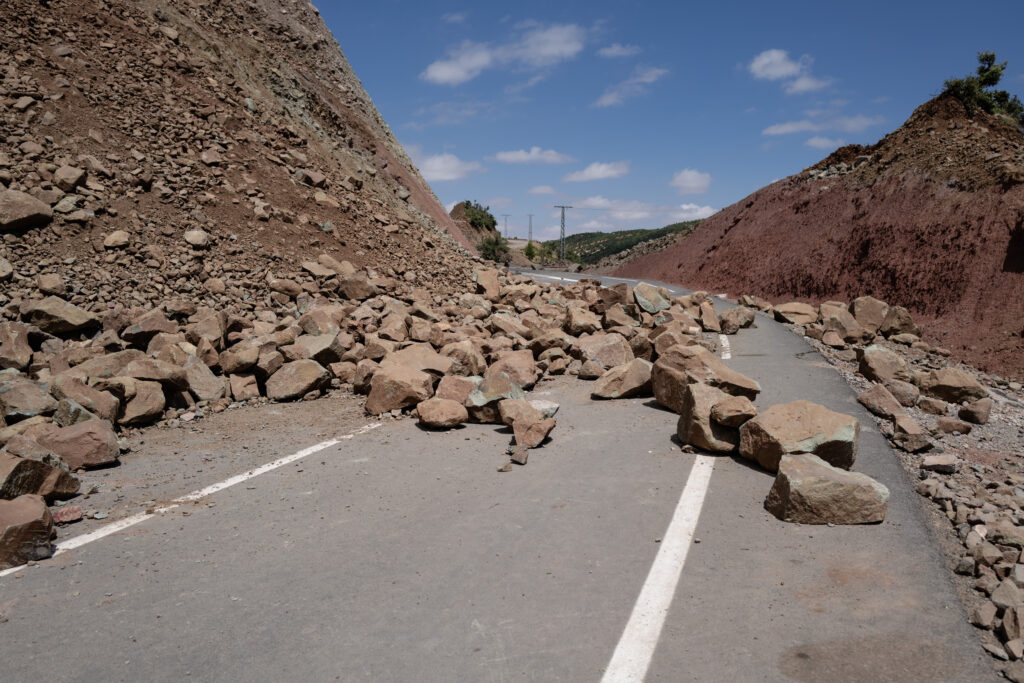
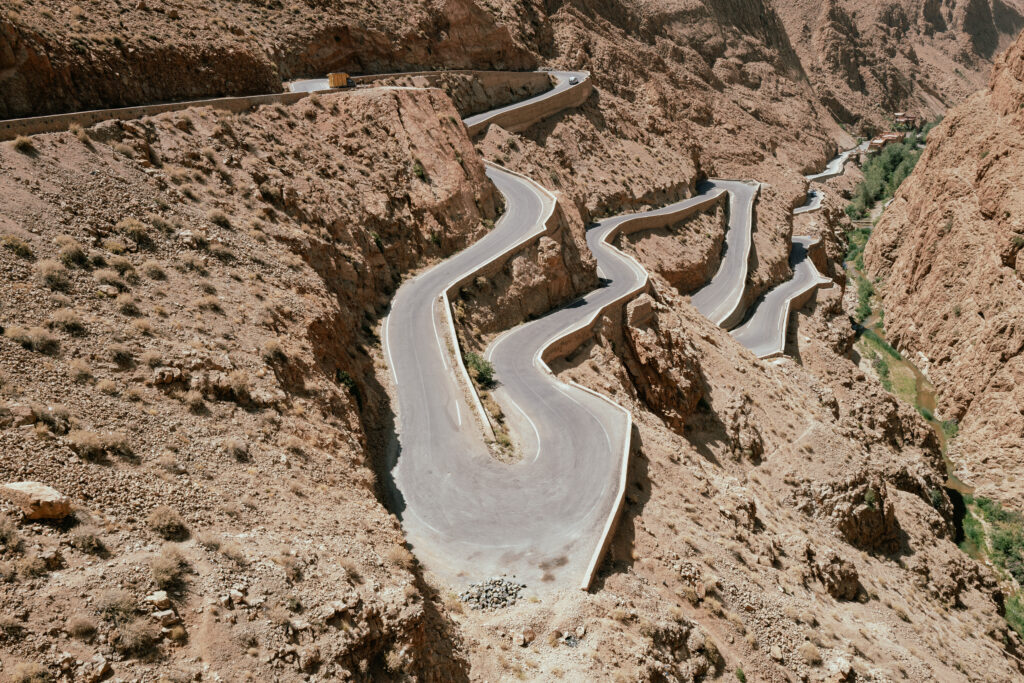
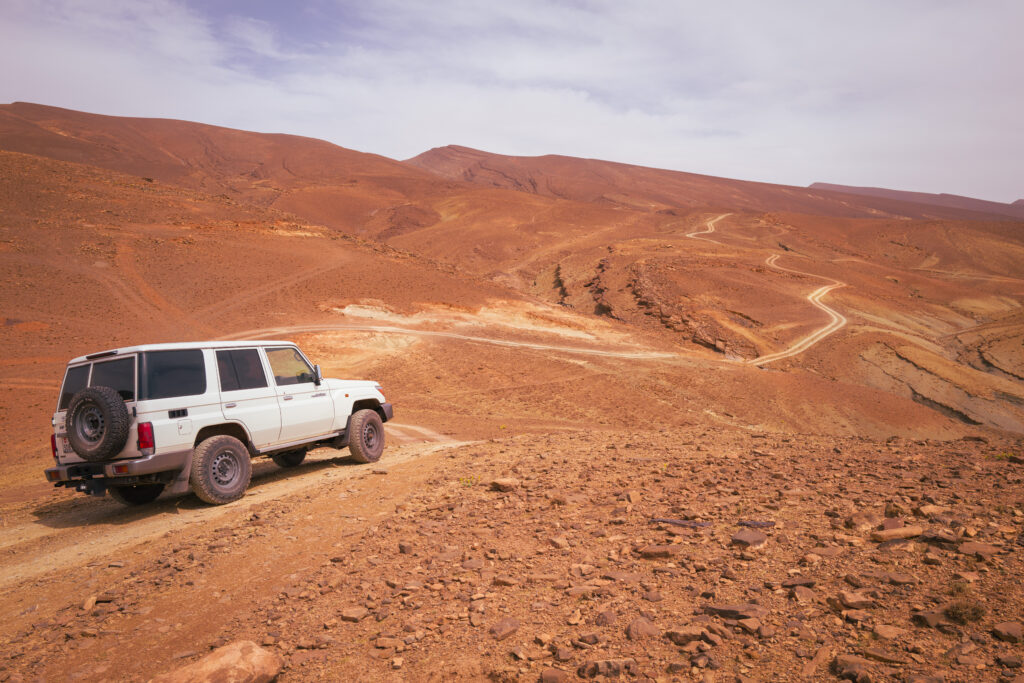
Even the mighty 1GR-FE felt slightly strained as we climbed up to the Tizi n’Tichka pass at 7,234 feet. Though the road is mostly paved, there are constant rock slides and areas where the road has literally vanished down the side of a mountain. The crumbling roads require a low gear at times, even though it doesn’t look like it.
The first glimpse of the Sahara desert we got was as we were descending down the other side of the Atlas Mountains. It felt like a scene straight out of Dune. The nothingness of the landscape is what sticks out; the horizon is a stark, thin line that separates sand and sky, and because of the scale, entire villages look like little specks dotting the endless sand mounds.
At this exact moment, when the Sahara snapped into focus, is when it hit me: I had spent all this time thinking about the right truck, the right gear setup (or lack of gear setup), the route, but I didn’t really think about what the landscape would look like or what the whole experience would make me feel.
After all, that’s what it’s all about, isn’t it?
Instead of talking about the importing process or the technical specs of the GRJ76 at the next car gathering, I was going to talk about that transformational moment, I decided. It’s far more interesting than rattling off specs that someone can find online anyway.
One of the absolute best things you can bring with you (or find along the way) is local knowledge. I happened to ride the ferry over from Spain with Morocco overlanding expert Mark White from Amazigh Overland; it was a totally happenstance meeting and he ended up giving us the lowdown on how to best tackle the different regions of Morocco.
It became clear that this is the kind of thing to invest in. A little knowledge goes a long way.
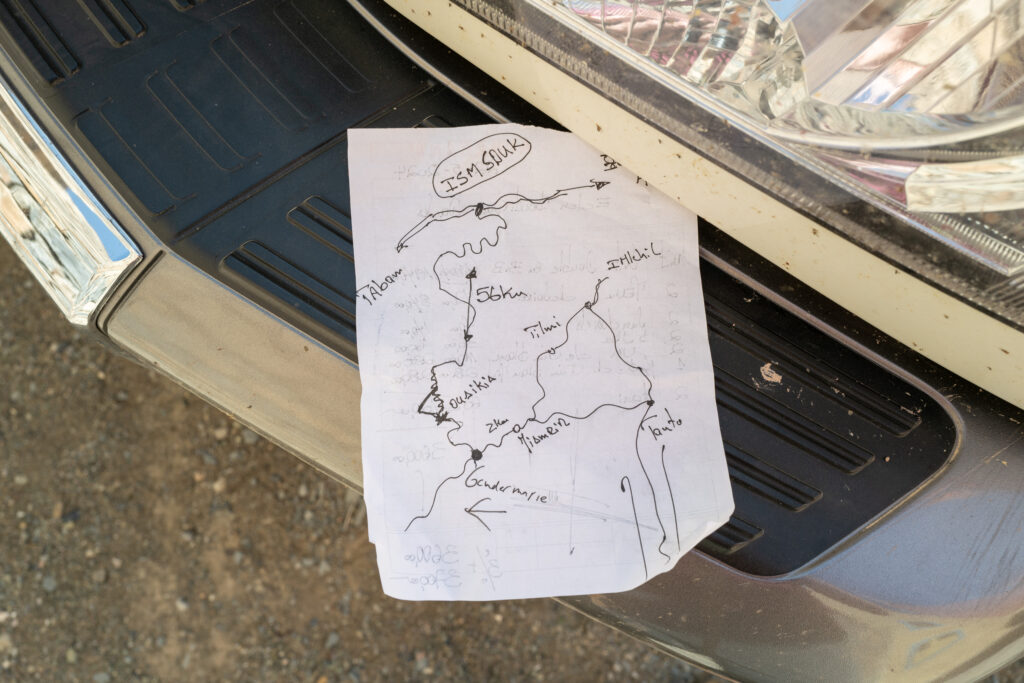
At one point during the trip, one of the pistes that was on the map didn’t appear in reality. It’s not uncommon at all; the network of pistes is constantly changing as some wash out, some get created, and some close down because of rock slides or danger. Usually, I’d just pick a direction and see what might happen, but with limited infrastructure it seemed wise to just casually ask for directions. That’s exactly what I did, and the next thing I knew I had a hand-drawn map from the caretaker of the guest house we were staying at. It worked like a charm.
I have always depended on the kindness of strangers. After a successful experiment with very little gear on the trail, I’m now wary of anyone trying to convince me that I need more stuff to have a good time.
With a truck in decent shape, all you need is fuel, time, and curiosity. The rest is just noise.
Recent Posts
All Posts
July 17, 2026
July 16, 2026
July 13, 2026
Leave a Reply
You must be logged in to post a comment.