Zero Sum
March 18, 2026
Rory CarrollThe death of Honda'ambitious 0 Series project finds the beloved company at a crossroads.
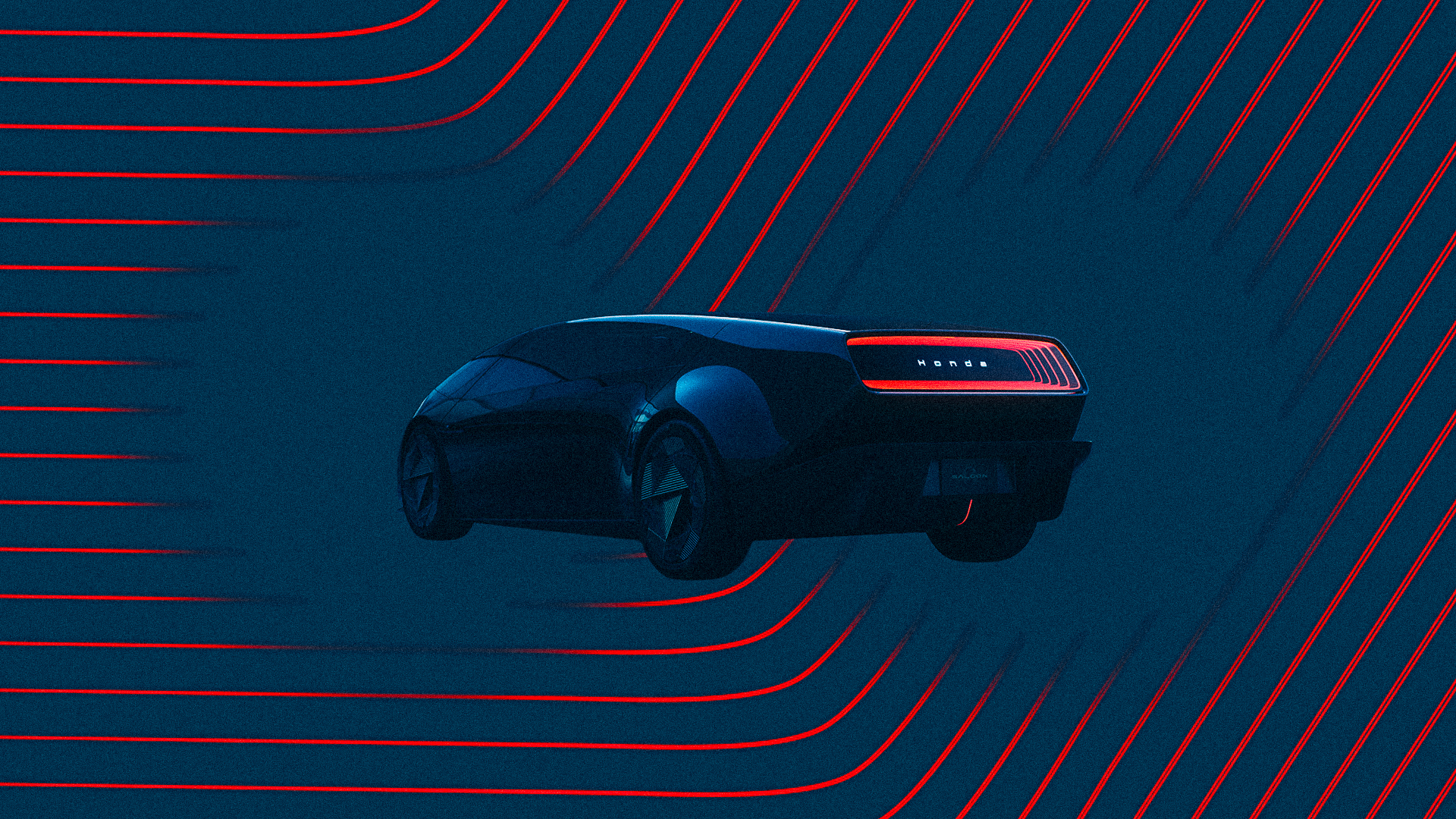
Honda’s announcement that it was killing its US EV offerings has been the cause of a lot of hand wringing this week. The two 0 Series cars were novel and appealing. Because they were Hondas, it’s fair to assume they would have been well-executed, providing Honda with a credible EV offering. But, I can’t say I was surprised to see that project, or the Acura RDX that was supposed to be built in the same plant, get the axe.
I really liked the idea of the 0 Series as a weird, moonshot Honda. I wanted to drive one. But my job is not to make Honda a profitable car company. My job is to make a website for people who want to read about weird, cool cars and this thing was very weird and very cool.
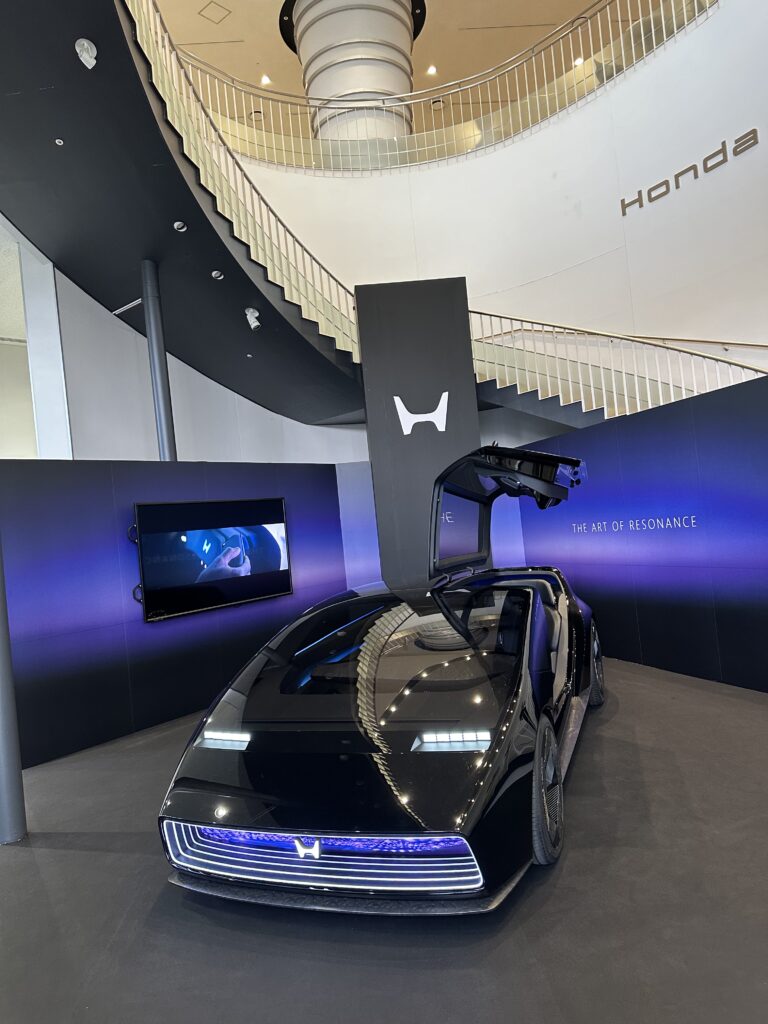
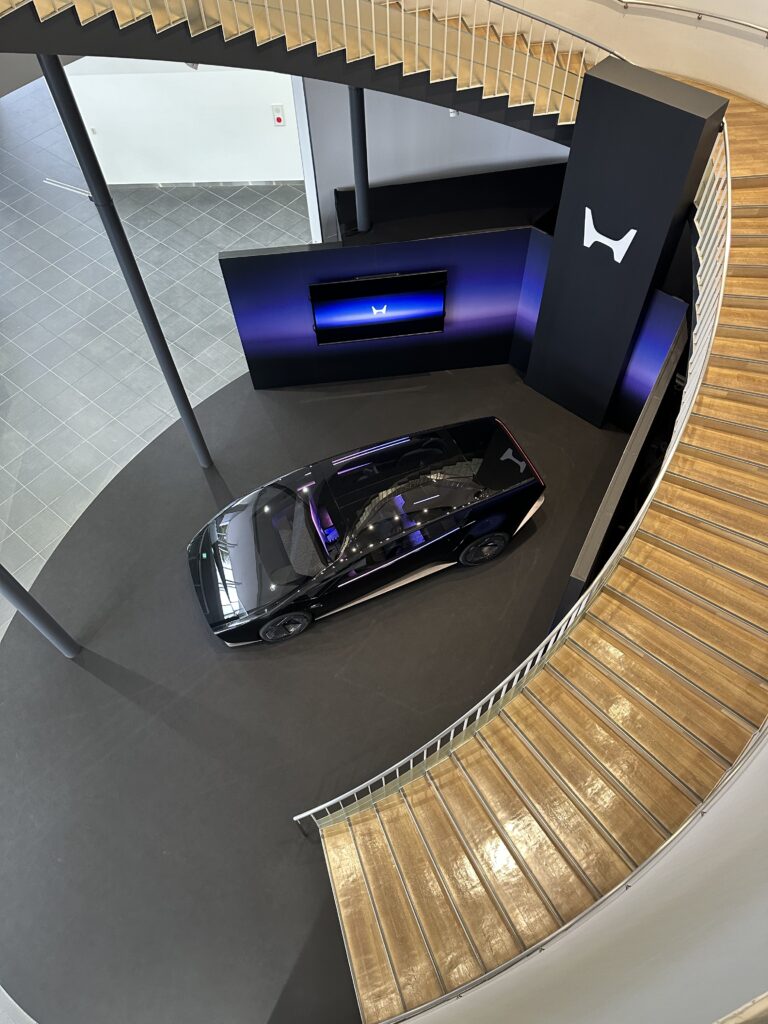
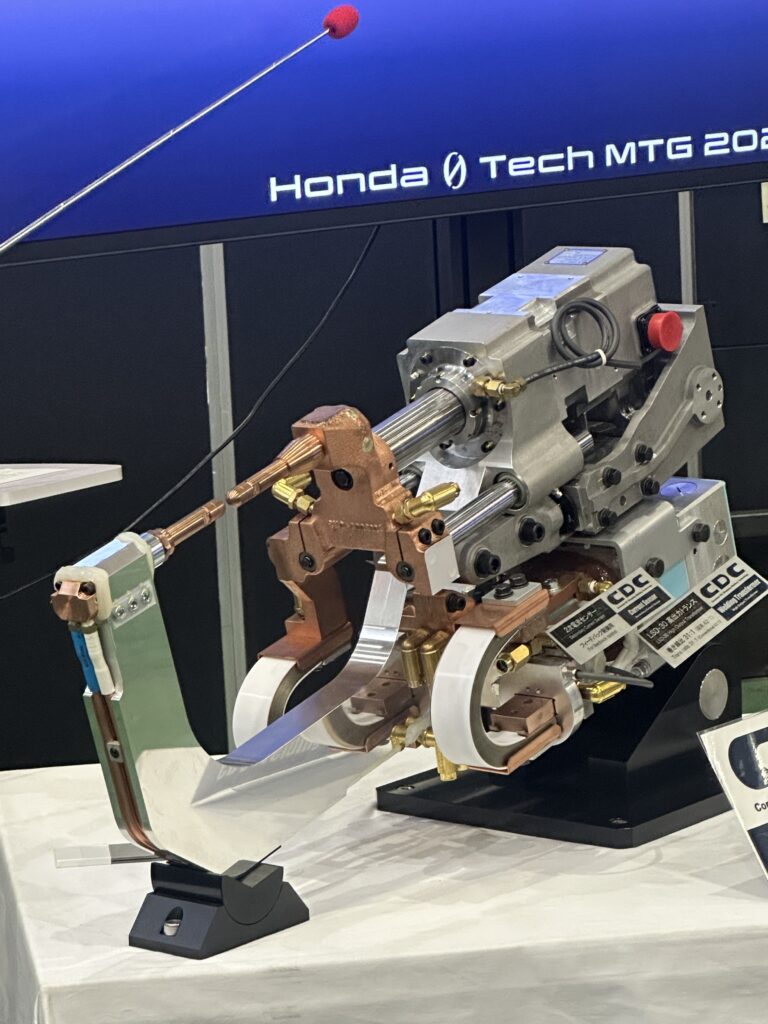
I went to Japan to see it in person. I visited the factory that had adopted/invented a handful of new carmaking techniques to build it, spoke with some engineers and even drove a 0 Series mule. I went to Las Vegas to see it at CES and did my best to make sure it made it onto a couple “Best of CES” lists. In one of them, I said: “…after a decade of watching automakers build electric versions of the same old cars, it’s exciting to see something truly new headed to dealerships.”
In everything I wrote about it, I expressed a healthy level of skepticism for its actual prospects as a product that would sell in large enough numbers to make sense for Honda. By the time I saw it in person, the already limited market for EVs had begun to cool. Consumers were not exactly clamoring for an upmarket Honda with novel technology and an avant garde design. Every time I saw it after that it felt more like a project conceived in a different time, for a future that was failing to materialize.
Not every car has to make money on a per-unit basis. A company as big as Honda can afford to build a rolling testbed or a car that demonstrates to the public and to the company itself that it’s headed in a new direction. For all my exposure to the 0 Series and the people responsible for it, its purpose was never clear to me. Over the course of several visits and presentations and roundtables, I never got the sense that it was uniformly clear within Honda itself.
What was clear by then was that the goofy “tipping point” thesis of electric car mass adoption was about to be disproven, or at least delayed.
Late last year, a planned 0 Series press drive was scuttled at the last minute and my first thought was that the project was at least in danger of cancellation. In January, Honda’s yearly sales outlook presentation included a cool, modular camper but very little about 0 Series. Concerning.
I’ve been saying for a long time that the conditions for broad EV adoption do not exist in the United States, a country whose refusal to invest in or even imagine its future is a matter of durable bipartisan consensus. That is not to say that there isn’t a market for EVs here, or that a company can’t make money selling EVs here. That’s not to say that conditions cannot or will not change. People who know more about this than me have told me I’m wrong and I hope that’s true. But I think for the foreseeable future, EV market share will stay about where it is or possibly decline. Unless someone does something wildly unadvisable that raises gas prices significantly, of course.
Last year’s bizarre tariff episode made conditions worse for a lot of automakers as did the elimination of America’s half-assed $7500 tax credit for EV purchases and a number of other “cut off your nose” policy changes. Automakers have in many cases, reversed course on EV development or at least de-prioritized it. There are of course the vibes, which are not aligned with EV adoption right now and play a massive role in shaping purchase behavior around cars. (I’m not going to address the advanced and inexpensive Chinese EVs elephant here.)
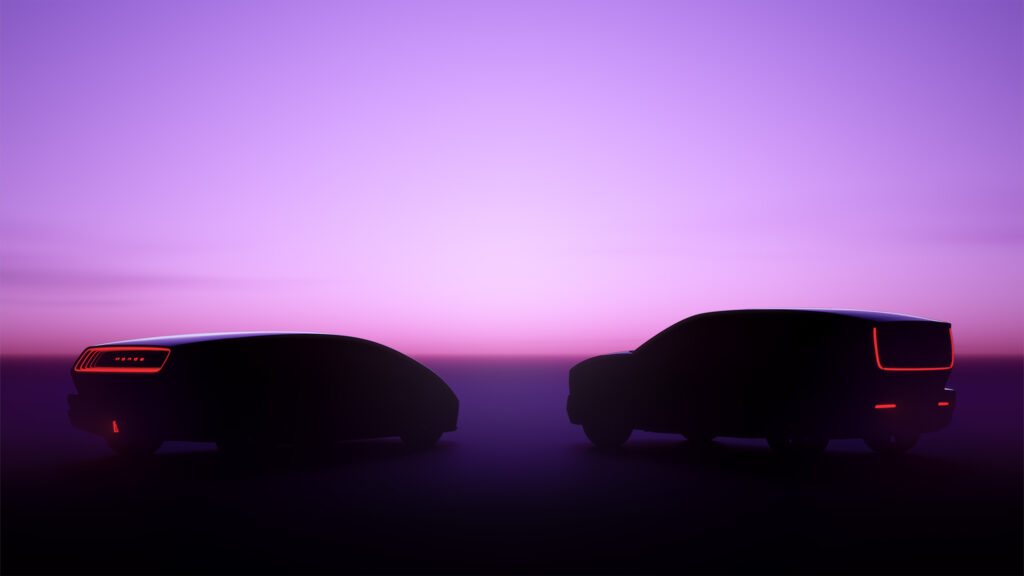
Honda must have looked at the information it had and made the judgement that there was no recouping its investment in the 0 Series cars or the Acura RSX. It will cost the company billions, but presumably they believed that staying the course would be worse. We’ll never know if that was going to be the case. Putting aside the tremendous amount of effort, emotional investment, financial investment, the material damage to Honda’s reputation that this will cause, et cetera, backing out of a public moonshot like this is a humiliation.
There is obviously a ton of information that I don’t have, but from what I do know, I don’t see what other choice they could have made. It’s very easy to say that they should’ve waited for an EV market to materialize, or taken EVs more seriously from the beginning, or federalized a Chinese EV, or followed any number of paths that would not have led them to a $15B bloodbath, but the fact is, it didn’t.
As cool as I thought the 0 was, it didn’t always feel like a product that Honda was building its future around. Sometimes it felt like a way to prove that despite Honda’s late start on EVs and the stopgap Prologue, its engineers could deliver a product that would show the world that it could still out-engineer just about anyone–business case be damned. That’s me imagining, though, speculating.
In the real world, I’m sure there are a lot of angry, disappointed and confused Honda employees all over the world. Was 0 Series representative of where the company was headed or was it an expensive distraction? Most importantly, what happens now?
Obviously, that’s none of my business and I don’t pretend to know enough about what happened to offer anything. But, I will say this:
On that same trip to Japan where I saw the 0 Series for the first time, I spent a few hours walking through the Honda Collection Hall at Motegi. The museum is organized chronologically and from Honda’s early motorized bicycle efforts through Asimo and its modern products, you can trace the history of a company that, with endearing earnestness and ingenuity, set itself to solving the everyday problems of real people. (And racing.) Every product I encountered on that walk around the museum was a human attempt to make some other human’s life a little better, easier, more joyful. Some of these products were so imbued with kindness and genius that I couldn’t help but be touched, I couldn’t keep from smiling a slightly choked up smile. When I think of what people look to Honda for, that’s it.
Owning a car is prohibitively expensive for most Americans. Gas prices are going up. We’re speedrunning the crisis that deep down, we all know will end the world as we know it. There are plenty of real, big problems here. Honda’s story in America started under very similar circumstances. If I were trying to define its purpose and give its many employees a North Star in the wake of a catastrophe, I’d do my postmortems and start looking for problems–big and small– to solve.
Recent Posts
All Posts
March 17, 2026

March 16, 2026

March 12, 2026
Leave a Reply