Gridlocked
November 26, 2025
Jay RameyVolvo and Polestar are taking a step closer to a long-promised EV utopia, but it comes with plenty of asterisks.
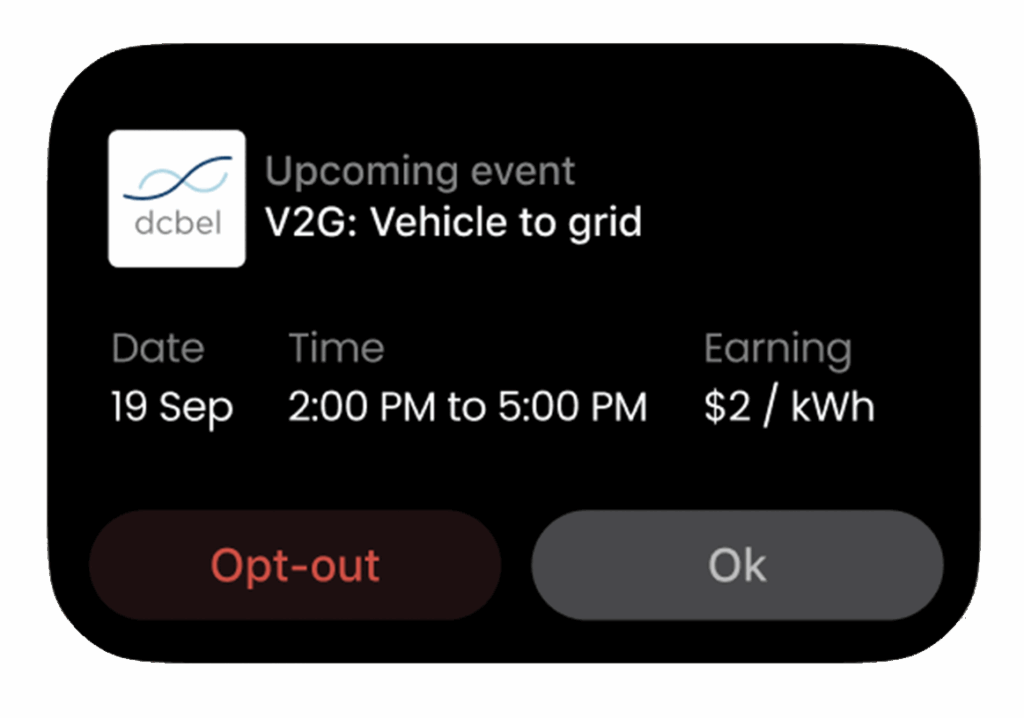
Bi-directional charging has long been a promise of the EV age, with the tech permitting owners to power their homes with their cars during blackouts, or even supply power back to the grid in vehicle-to-grid (V2G) mode. The promised advantages include reduced energy costs and the potential to reduce strain on the grid during peak hours. At least in theory.
But both of these use cases have seen very limited implementation until very recently, and on rather small scales.
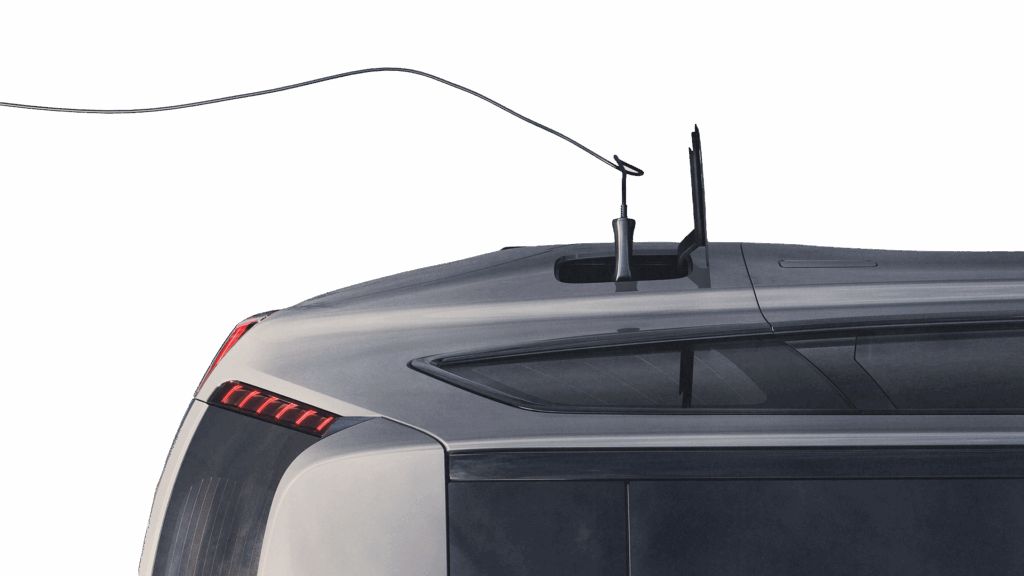
Volvo and Polestar are taking a small step closer to this long-touted ability by enabling vehicle-to-home (V2H) bi-directional charging for Polestar 3 and Volvo EX90 owners.
The automakers have teamed up with home energy company dcbel to offer blackout protection support via V2H charging via the company’s Ara home energy system, with California Energy Commission’s rebates promised to offset some of the installation and system costs.
The benefits, according to Polestar, include the ability to reduce charging costs by up to $1,300 a year.
“Bi-directional charging is a gamechanger, not only for the car industry, but the home energy ecosystem,” said Michael Lohscheller, Polestar CEO.
But there are a few asterisks.
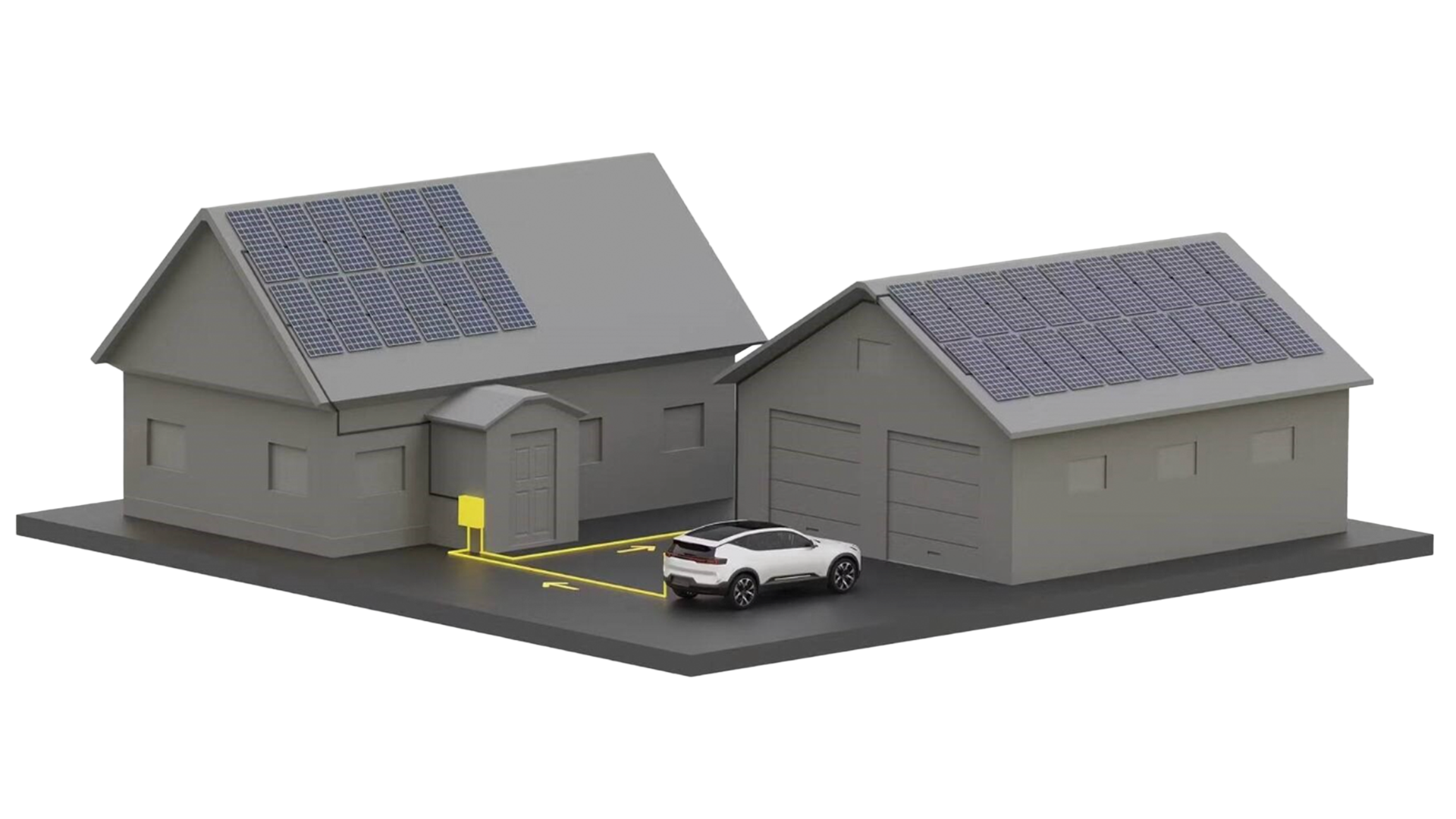
First, the reduction in charging costs assumes a 2,400 sq. ft. home and an average monthly energy consumption of 1,275 kWh, before factors like seasonal variability come into play. So actual savings when it comes to charging can vary quite a bit.
Second, V2G charging where fleets of EVs can provide energy back to the grid during peak hours is still confined to small-scale experiments with compatible EVs, requiring participation from utility companies and determined owners alike. So it takes quite a bit of work behind the scenes to make the concept work even on a limited scale, as the word “ecosystem” hints.
Volvo also notes that the vehicles require the new Nvidia Orin/Orin core computer configurations, and that “functionality cannot be guaranteed with future model year vehicles.”
Finally, V2G as a wider-scale concept or part of a solar energy storage system still suffers from a lack of readily felt marketing to owners, including “carrots” in the form of checks from utility companies for taking the trouble to support the grid. Even households with more than one EV will need a major push to actually take advantage of bidirectional charging.
And it’s safe to say that we are still in the early days of bidirectional charging actually doing something for the grid, as EV owners remain interested in getting juice into their EVs, not out of them.
But Polestar and Volvo aren’t alone in this experiment.
Ford has been recently testing V2G functionality with its F-150 Lightning, with help from clean energy firm Sunrun and the Baltimore Gas and Electric Company (BGE). Toyota has been doing the same in Maryland along with utility company Pepco and a fleet of bZ4X models.
And that’s because Maryland has directed utility companies to experiment with this technology. Few other states have taken a similar interest.
Polestar appears to acknowledge some of the challenges of wider V2H and V2G adoption.
“It’s a new technology that requires a sophisticated and intelligent ecosystem, and this marks an important first step as we aim to launch bi-directional charging features to more Polestar customers in more markets,” says Olivier Loedel, Head of Software product management at Polestar.
Admittedly, it’s difficult to picture anything beyond V2H charging becoming truly commonplace until half of all vehicles on the road are electric, with this technology inevitably tied to the proliferation of home energy storage systems, which are also taking their time to materialize in noticeable numbers.
Recent Posts
All Posts
March 17, 2026

March 16, 2026

March 12, 2026
Leave a Reply