The 2035 question

November 12, 2025
Jay RameySome European automakers are pushing back on plans to end ICE sales by 2035.
The European Union’s goal of phasing out sales of ICE cars and vans by 2035 was met with mixed reactions when it was first unveiled three years ago. But just a couple of years after the 2030 and 2035 CO2 targets were adopted by the bloc, a number of big manufacturers including Mercedes-Benz and BMW, in addition to suppliers, are already pushing for these targets to be rolled back further, calling them out of reach.
“The current pace of the BEV market growth for cars and vans indicates that the 2030 and 2035 CO2 targets are no longer achievable,” the European Automobile Manufacturers Association (ACEA) industry group said this week.
“A sole focus on 100% BEV risks undermining Europe’s industrial competitiveness and strategic autonomy,” the organization claimed, adding that weak consumer demand for EVs would create market imbalances that would threaten jobs.
Instead, ACEA is calling for a more nuanced approach that includes a focus on infrastructure, EV demand incentives, investments in the grid, as well as different approaches for different vehicle segments. ACEA is also in favor of what it calls “technology neutrality,” which would see support for EREVs and PHEVs along with hydrogen fuel cell vehicles.
ACEA argues that actively pushing consumers only toward EV models would create a situation where car owners would simply keep their ICE vehicles longer, thereby keeping emissions higher as well.
Mercedes-Benz CEO Ola Källenius has recently spoken out against the 2035 combustion engine sales ban in a recent interview with German daily Handelsblatt.
“We need a reality check. Otherwise, we are heading at full speed against a wall,” Källenius told the paper.
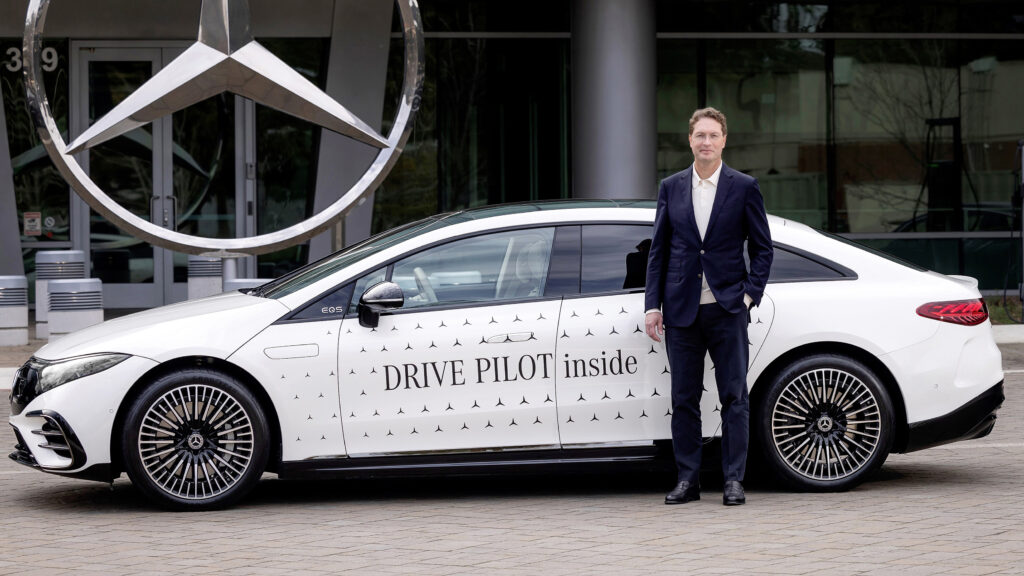
As it happens, the Mercedes CEO is also the current head of ACEA, with the organization echoing many of his talking points in its lobbying push for the EU to rethink its decarbonization strategy.
Källenius’ comments inevitably lead one to do a quick check on just how far from the 2035 targets the EU is at the moment.
In mid-2025 BEVs accounted for 15.6% of the EU market share, having surged from 12.4% in the first half of 2024. Hybrids, meanwhile, accounted for 34.8% of the market, representing the single largest category. Gas-engined models represented just 28.4% of the market, while diesels still commanded 9.4%.
The Mercedes-Benz CEO and ACEA chief also stressed the impact on jobs in the EU’s auto industry in a letter to European Commission President Ursula von der Leyen.
“Without policies that enhance European competitiveness to maintain manufacturing, the transition risks hollowing out our industrial base, putting innovation, quality employment, and supply chain resilience at risk,” Källenius wrote recently.
While some trends over the past few years are encouraging within their own narrow categories, it is admittedly difficult to picture the BEV market growing by double digits each year between now and 2035 absent some kind of immense regulatory push, or gas-engined models simply disappearing from sale.
But not everyone is buying ACEA and Mercedes chief’s claims.
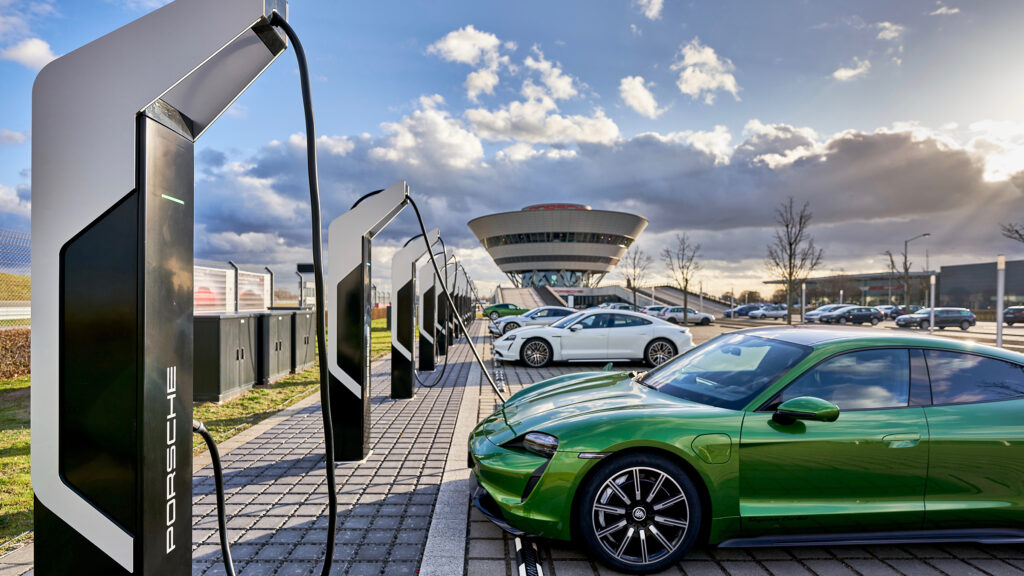
T&E, one of the leading groups supporting clean transport and energy in Europe, points out that BMW, Renault, and Volkswagen are currently on track to meet the interim 2025-27 emissions targets, with BMW and Stellantis are managing to be overcompliant.
“Mercedes-Benz, which holds the presidency of the EU auto lobby ACEA and is the loudest opponent of the EU targets, is the only European car manufacturer that would fail to reach them on its own,” the organization says, adding that Mercedes would need to buy credits from other automakers just to reach the 2025-27 emissions goals.
T&E is more optimistic about the longer-term 2035 targets, pointing to falling battery costs and improvements in EV infrastructure, which have so far seen some overachievement on the part of some EU member states. And some automakers including Volvo have lobbied for the 2035 target to be maintained.
“OEMs are painting a terrible picture because they want their targets weakened,” says Lucien Mathieu, T&E cars director. “But the reality is that electric car sales are surging and emissions rules are key to that equation.”
According to T&E, Europe risks falling behind China if it abandons the 2030 and 2035 CO2 targets, thereby losing more of its technological influence in this sphere.
With Chinese automakers making surprising gains in Europe over the past couple of years, to the distress of Europe’s auto industry, it’s not too difficult to picture such a scenario.
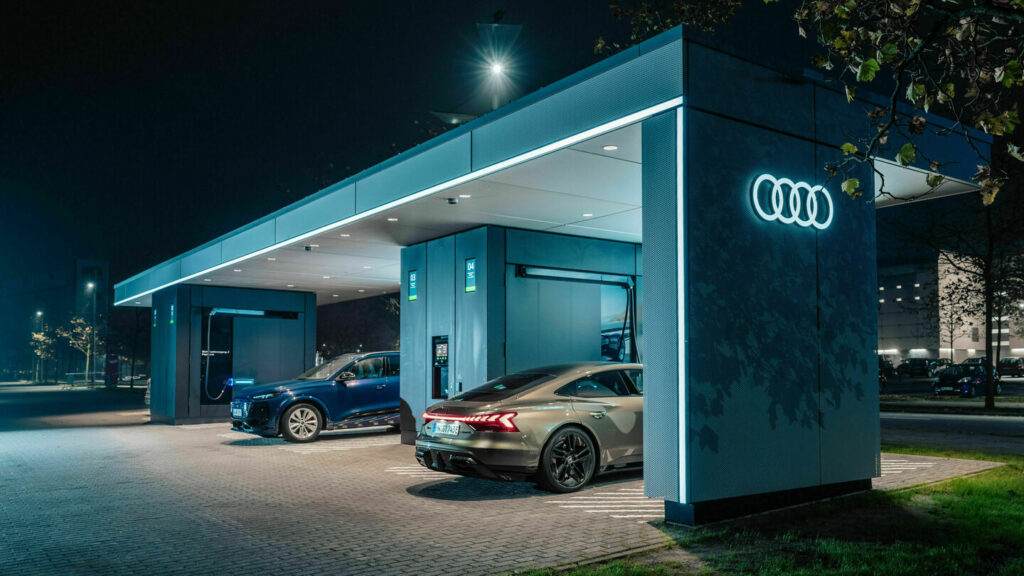
At the moment this tug of war is confined to Europe’s auto industry and the EU leadership. But there are some parallels to the US, where a number of states led by California have adopted similarly ambitious ICE sales phase-out plans for the year 2035.
In the current political climate, it’s hard to picture a single, nationwide legislative effort emerging between now and 2035 to do the same — perhaps quite the opposite — but there is still the option of different states adopting vastly different rules for emissions, as well as car dealer inventories.
In 2022 Washington state along with over a dozen others adopted California’s Advanced Clean Cars II legislation, aiming for a 2035 phase-out of ICE car and light truck sales along with infrastructure plans to ease the transition. But neighboring Idaho has not. It’s not too difficult to picture a scramble for EVs on one side of the border of such a state as that target date approaches, while some neighboring states (and their dealerships) would remain on vastly different footing.
At the moment it is auto dealer groups and automakers who fear the chaos of disparate state-by-state mandates regarding product lineups and car inventories a decade from now. And with the national BEV sales rate hovering just below 11% nationwide in 2025 it’s not too hard to see why.
For Europe and the US, the 2035 question is getting more urgent with every passing year, and many automakers are starting to worry.
Recent Posts
All Posts
March 17, 2026

March 16, 2026
March 12, 2026