America Rover
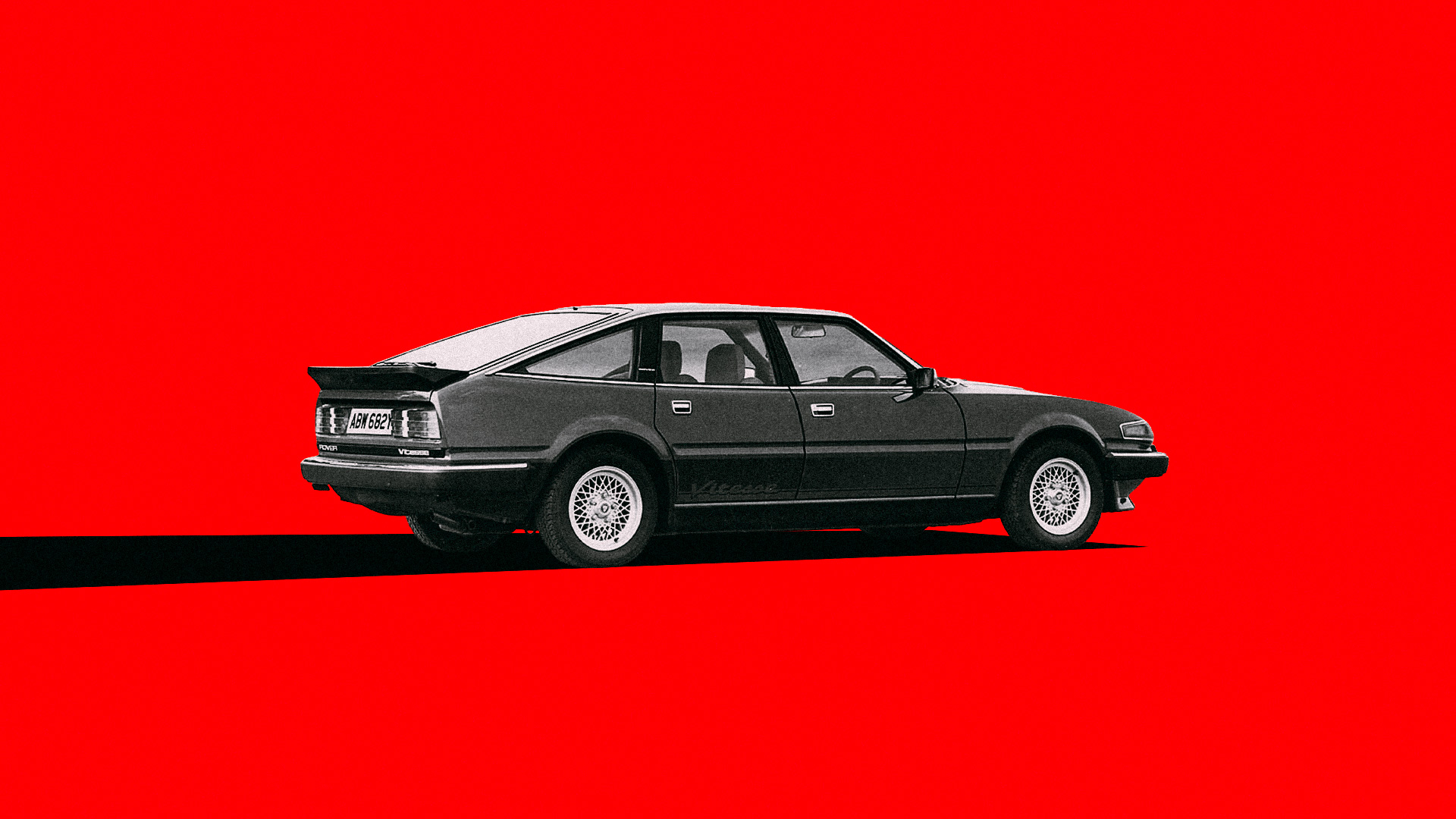
The 1970s offered American fans of British cars no shortage of choice, ranging from the ever-popular MGB to the stately Jaguar sedans and coupes. Seemingly all the important bases were covered, with marques including Triumph, MG, and Lotus catering to a range of wallets. The Austin Marina even made it stateside for a few short years.
Rover was here as well, capturing a narrow slice of the near-luxury sedan segment with the P6 series. Debuting in 1963, the three-box sedan might have been stylish for the early 1960s but had begun to show its age by the early 1970s, with Rover’s thinning sales network stateside relying on an ever-shrinking sales volume.
Thankfully, Rover dealers also tended to offer a variety of other foreign brands, so they were seldom reliant on a single marque for their bread and butter, especially one with a limited customer base.
By 1974 Rover’s remaining momentum in the US appeared to have stalled, hurt by dwindling sales and the gas crises. Rover was also upstaged by Jaguar’s latest offerings. And most buyers’ attention seemed to be on British roadsters and coupes. The brand’s time in the US appeared to be over.
But Rover’s lineup in the UK was a different story.
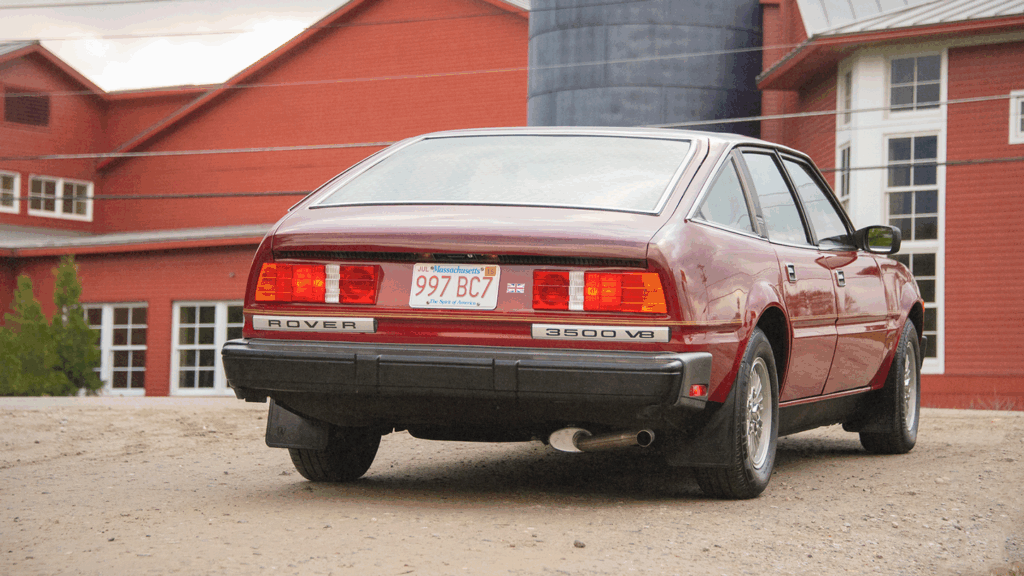
The bold new Rover SD1 arrived with a big splash in 1976, featuring a new fastback design with the face of the Ferrari Daytona. The SD1 was easily the most important sedan launch of the decade for British Leyland, which faced no shortage of labor and supplier challenges in the 1970s in its home country. It was also one of the few British sedans in a long time that appeared to be sized for America.
With an undeniable hit on its hands, Rover sought to capitalize on the SD1’s success outside Europe, setting its sights on America with bold plans for a brand relaunch, even one offering just a single model.
But federalizing the SD1, or the 3500 V8 as it was formally badged, was no simple task.
Rover was forced to ditch the Daytona-style headlights, replacing them with a complicated sealed-beam four-headlight setup that required some major revisions to the front fascia. It was far from a simple retrofit, requiring new stampings as the headlights were far taller than the model’s original lenses.
The automaker also added the DOT-mandated 5-mph impact bumpers, which added plenty of length to the sedan, in addition to the ever-popular emissions hardware of the Malaise era. Changes to the instrumentation and other systems imposed further headaches.
The expenses of federalization were not trivial for British Leyland, but the promise of a slice of the sedan market in America seemed to be worth the effort to BL executives. At least at first.
The automaker also struggled to get a critical mass of dealers back together, with the Rover 3500 landing stateside for the 1980s model year.
What did the Rover 3500 offer US buyers?
For starters, a spacious and modern interior that was in short supply in British sedans of the time, with the SD1 offering an airy cabin that was a very different experience from the snug Jaguar XJ sedans of the era.
The all-aluminum 3.5-liter Buick V8, meanwhile, produced just 133 hp in US spec, held back a bit by the mandatory emissions equipment. Despite the drop in performance, it still allowed Rover to play in a different league than it was used to, even offering a manual transmission option to auto-averse American buyers. The manual option didn’t quite make the SD1 feel like a performance car, but it lent it a more agile demeanor, just enough to buy it some mild praise in reviews.
But at the end of the day, the Rover 3500 was still an obscure offering even among the European brands available stateside at the time, which were vast in number and had quickly adapted to the diesel trend of the day. Sedans from Mercedes-Benz, Peugeot, Volvo, and BMW tightened their grip on the US market among the import category, while Japanese marques were just starting to stretch into larger sedan segments.
The Rover 3500 was seemingly lost in the shuffle and struggled to stand out from day one amid a sparse network of dealers.
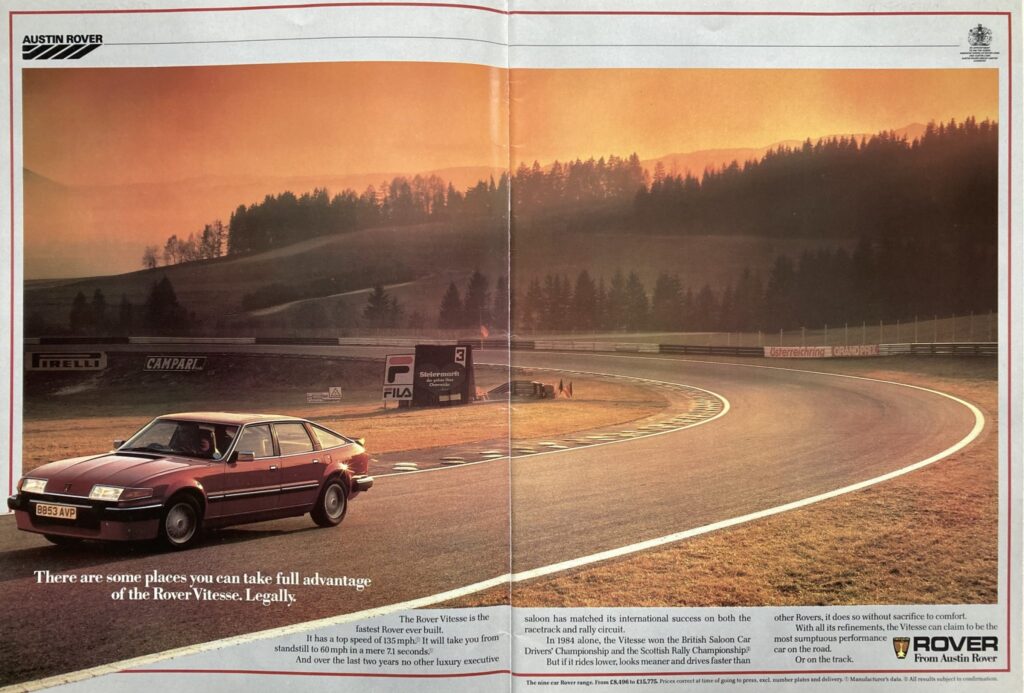
It didn’t help that the SD1 suffered from electrical glitches that were a common part of the British Leyland experience of the era. But the 3.5-liter Buick V8 at least offered some measure of familiarity for those having to work on the cars.
In all, just over a thousand examples are believed to have found homes over the course of about three long years, with Rover quickly calling it quits after the first batch had been sent stateside. Sales during the first year reportedly amounted to about 500 examples, with Rover dealers struggling to move the remaining hundreds through 1981 and 1982, offering steep discounts as time passed.
And that was it for the SD1 in America.
Of course, Rover would be back a few years later with Honda technology and the Sterling name to hide its roots, with the Rover 800 making it back stateside just in time for the stock market crash.
The 1980 Rover 3500s remain scarce even in Rover circles stateside, with owners estimating that just a couple of dozen solid cars remain. In recent years they’ve seen a renewed interest among enthusiasts looking for overlooked rarities among British cars of the era, now that enough time has passed to heal some of the wounds, allowing the brave few to look at the SD1 through fresh eyes.
Recent Posts
All Posts
March 17, 2026

March 16, 2026
March 12, 2026
Leave a Reply