Out
December 9, 2025
Peter Hughes
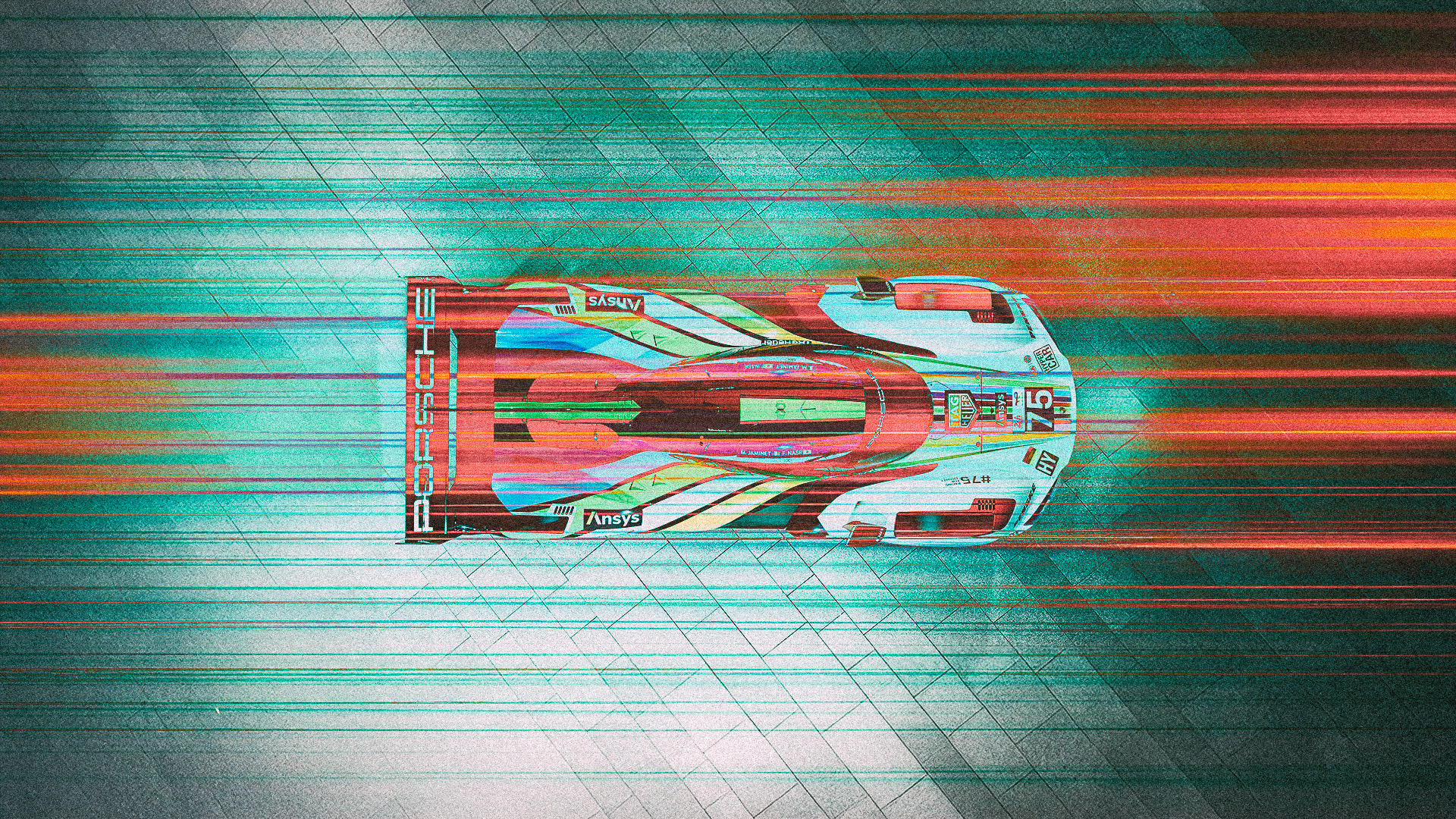
The Porsche 963 Hypercar will not enter LeMans in 2026 and it could have long-term ramifications for the company's endurance racing efforts.
The dust has settled. There will be no Porsche 963s at Le Mans next year. Two months of rumors and speculation, tales of frantic closed-door negotiations and attempted back-door deals, have come to naught.
Porsche’s announcement in early October that they would be pulling their factory prototypes from the World Endurance Championship at the conclusion of the 2025 season was unsurprising in some respects—it, too, had been rumored for months—but it still came as something of a shock.
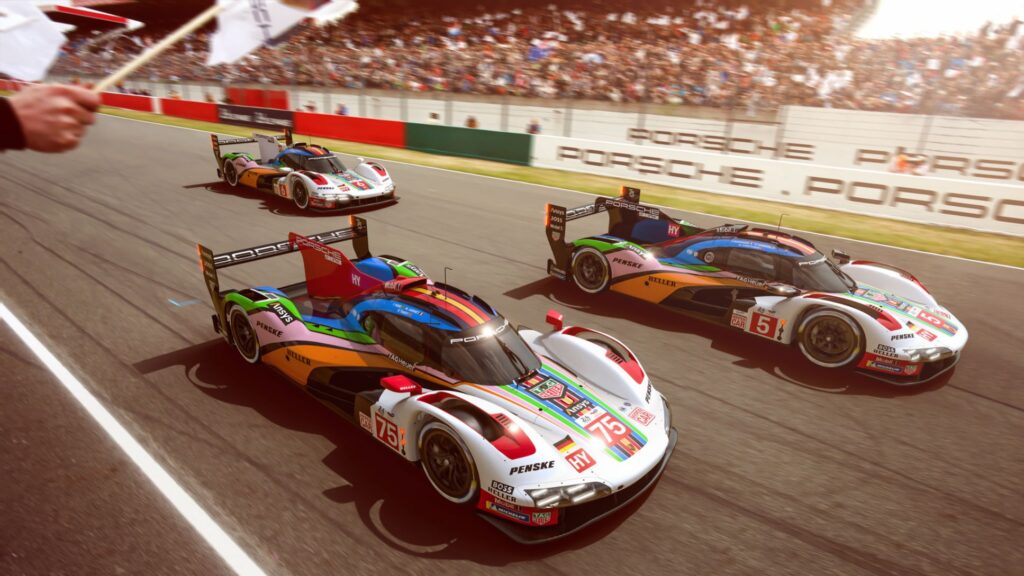
It’d only been three years, after all. While the Porsche Penske 963s failed to deliver a coveted Le Mans victory in that time, they were competitive and consistent enough to bring home a drivers’ championship in 2024 in the hands of Kevin Estre, Andre Lotterer, and Laurens Vanthoor. Not exactly a failed program.
Things aren’t going great for Porsche at the moment, however. A perfect storm of unlucky economic and geopolitical factors, combined with some expensive bets on EV demand that failed to materialize, have left executives staring uneasily at spreadsheets indicating an operating profit down by (cough) ninety-nine percent through the first nine months of the year. A billion dollars up in smoke in Q3 alone. In this context, walking away head held high from a race series that’s costing your company tens of millions of dollars a season starts to make more sense.
The move leaves lots of people in the lurch, though. Not least among them is 88-year-old Roger Penske, for whom a Le Mans win remains an annoyingly unticked box in an otherwise triumphant career. While the decision means shuttering Penske’s European base of operations in Mannheim, Germany, at least for 2026, stateside 963s will continue to compete in IMSA with full factory support.
Having just notched a second consecutive North American championship for Porsche Penske, the number 6 car of Matt Campbell and Matthieu Jaminet would be going to Le Mans next year as the automatic entry granted to top-class IMSA winners. Its eligibility, though, is contingent upon the presence of a full-season Porsche effort in the WEC. Without two cars running everywhere else, you don’t get the extra spot for Le Mans. Which means Roger’s still screwed.
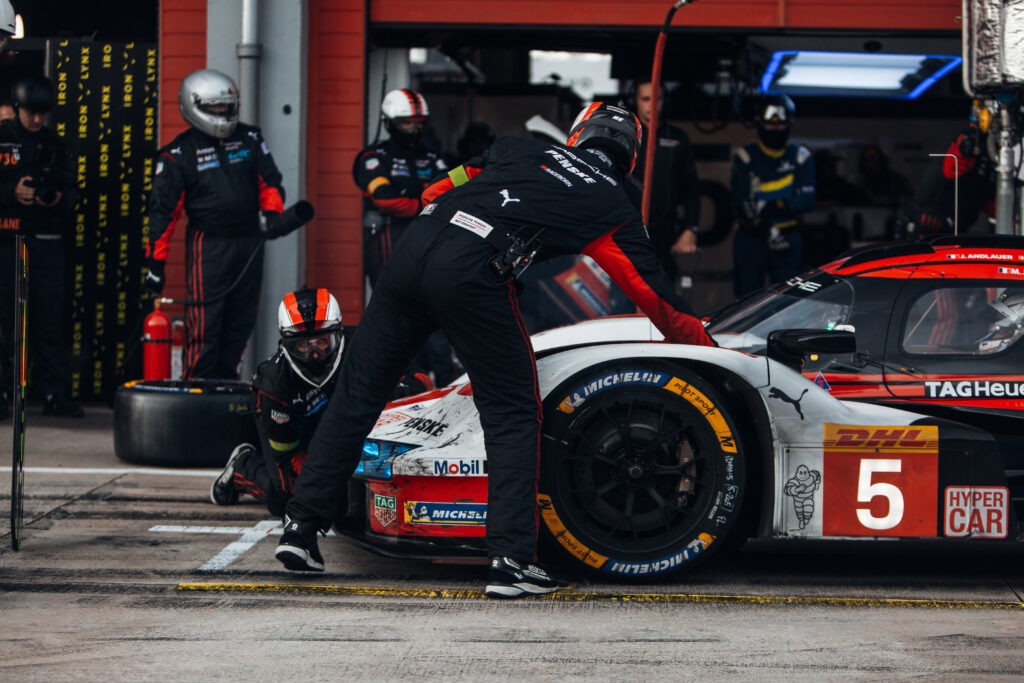
There was another way that could’ve kept the hopes of Porschephiles alive for one more year, and that was through a privateer entry. WEC regs do not mandate full factory backing for a hypercar team; a manufacturer’s blessing—a formal “nomination”—is enough. And, as it happens, Christian Ried’s Proton Competition team already owns two Porsche 963s, which it has employed in campaigns in both the WEC and IMSA since the cars’ debut in 2023. Nothing to stop them from bringing both cars to the WEC in 2026, thereby satisfying the two-car, full-season requirement, and keeping everybody happy, right?
Well, nothing but money, and that nomination thing. Discussions between Ried and Penske about a possible cooperative effort, pooling resources in a Penske-supported Proton program, were nixed by the bosses at Porsche. Motorsport VP Thomas Laudenbach explained that it would be a bad look for Porsche to be seen as trying to back-door their way into the series and another run at Le Mans. Fair enough. In any case, the official entry list for the 2026 World Endurance Championship is now finalized, and there are no Porsche Hypercars of any description on it.
But this is where it gets complicated, and potentially problematic down the line.
It’s nothing new for Porsche prototype programs to come and go. Like comets with highly elliptical orbits, they’ve done so throughout history. From the 917s of the sixties and early seventies, to the 956/962s that dominated the eighties, up through the world-beating 919s of the last decade, some of them have stuck around longer than others, but they’ve each departed when their day was done. Not since the 917 replaced the 908 in 1969 has an obvious successor been waiting in the wings.
It’s in the GT classes, with the eternal 911 and its derivatives, that Porsche has maintained a presence in sports car racing more akin to that of the sun.
As DailySportsCar’s Graham Goodwin points out, though, that could be at risk, at least as far as the World Endurance Championship goes. Production-based Porsches will continue to compete in LMGT3 next year; although manufacturers who run in Hypercar are given preference in the lower class, those who don’t aren’t necessarily excluded (witness the Mercedes-AMGs granted entry for the 2025 season).
Grid space is finite, though, and new aspirants keep showing up. For the 2026 season, the Porsche prototypes’ departure will make room for new Hypercars from Genesis—a wash, effectively. The following year, however, will see new top-class entries from Ford and McLaren, adding four more cars to an already crowded field. If nobody else bails—and especially if Mercedes were to announce a Hypercar program (something that has long been whispered about) or Genesis makes good on their threat to build a GT3 contender of their own—that could leave Porsche without a seat in this game of musical chairs, and without a presence at Le Mans for the first time since 1951.
Recent Posts
All Posts
March 16, 2026
March 12, 2026

March 11, 2026