Hero Car
March 24, 2026
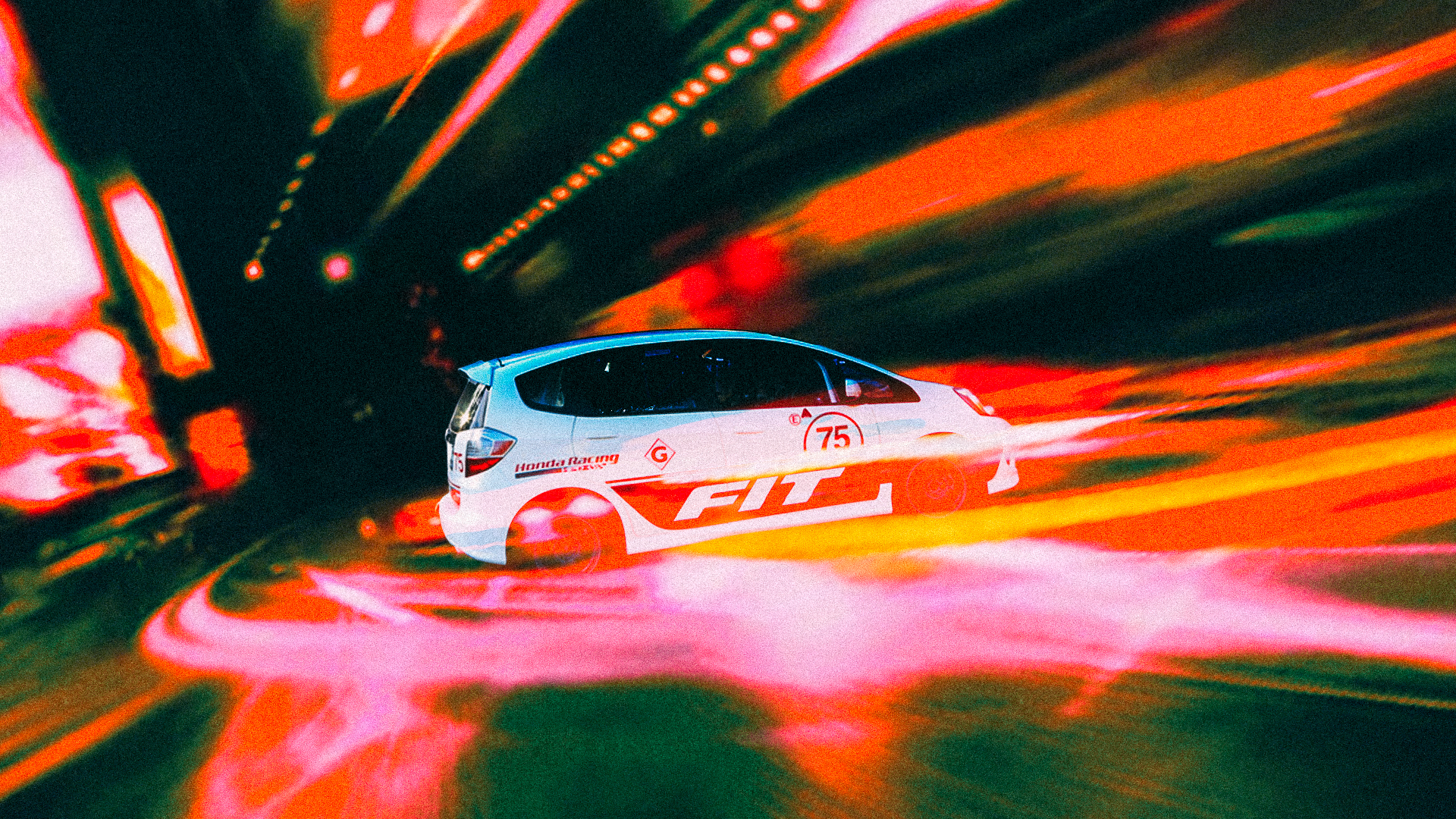
Rory CarrollThinking about the Honda Fit on the 25th anniversary of its introduction.
What was it about the Honda Fit, exactly? Contrary to some of what’s being written on the occasion of its 25th birthday, the Fit was a more or less conventional small, front-drive hatchback. It’s a familiar form factor, the basis for a dozen or so much-beloved cars. If you have a halfway normal brain and don’t think of cars in terms of largely arbitrary market “segments” the Fit is just another smallish car.
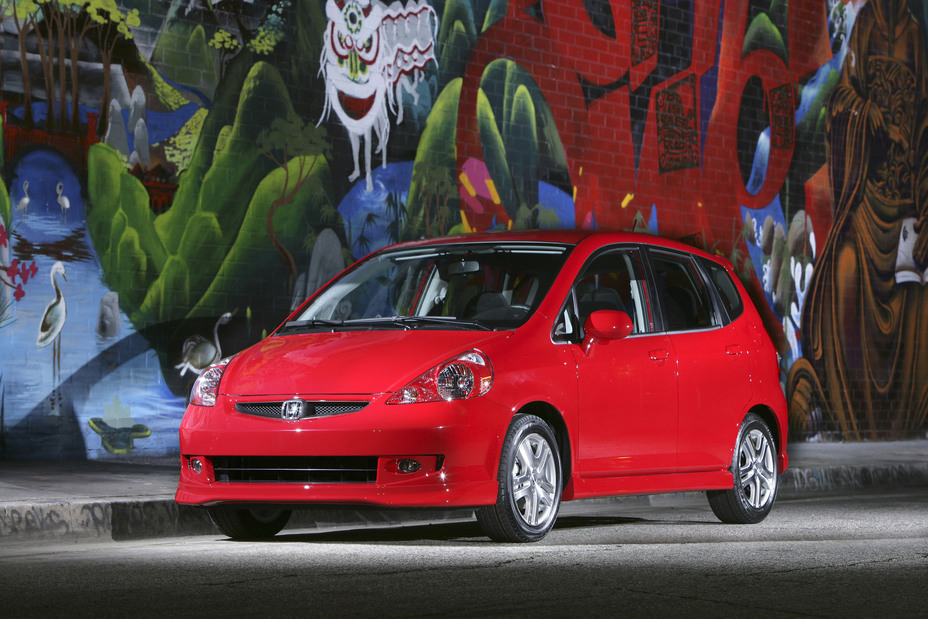
But you’re reading this site, so it’s safe to assume your brain is not normal. It’s also safe to assume that you remember the Fit’s fun handling, willing little motor and most importantly the ingenious packaging that made it so unbelievably useful and space-efficient. You may be day-dreaming about gutting a Fit, refreshing the suspension and mounting some sticky little tires. That’s what I’m doing.
Last week I wrote a little bit about Honda’s ambitious but ultimately doomed halo cars, the 0 Series. I really liked that project and I was looking forward to seeing finished 0 Series cars on the road, even if I wasn’t quite sold on the business case for them. I ended that story with an anecdote about Honda’s museum at Motegi, and how the products on display were imbued with humanity and reflective of the human impulse to solve problems for others.
I think that’s the appeal of the Fit. It’s just an uncynical attempt to build a useful, affordable car. It wasn’t optimized to conform with trends in the market, it was optimized for the end user, the real people who would drive them. It was maybe the highest expression of Honda’s M/M (Man Maximum, Machine Minimum) philosophy. From the moment you opened the door, it was clear that people had spent their time thinking about how you’d use the little car, how it could serve you best. There’s something really magical about a small car that is so thoughtfully designed that you never feel short on space or cramped or claustrophobic.
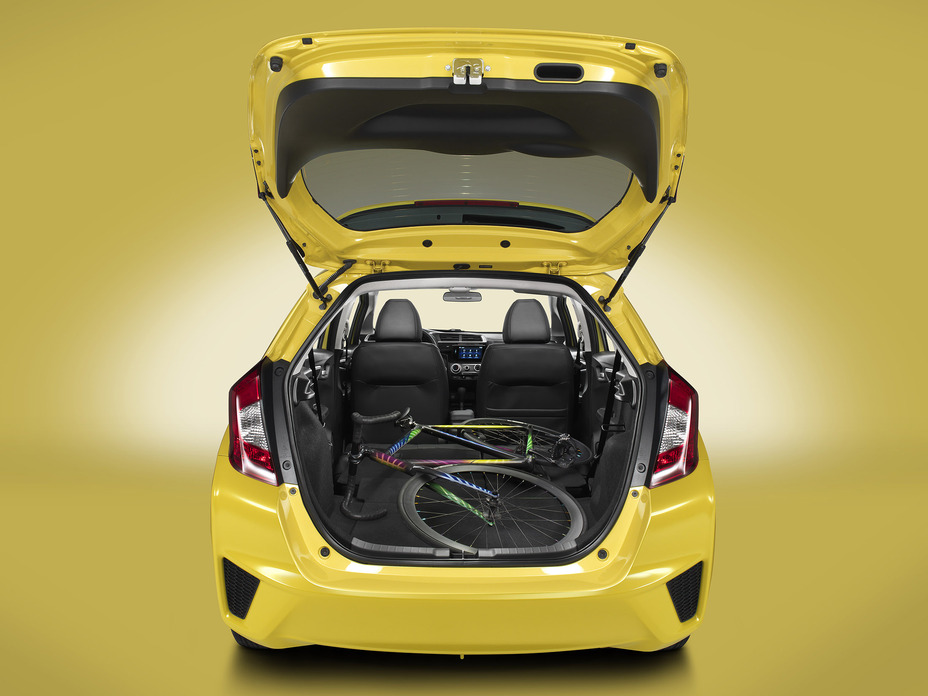
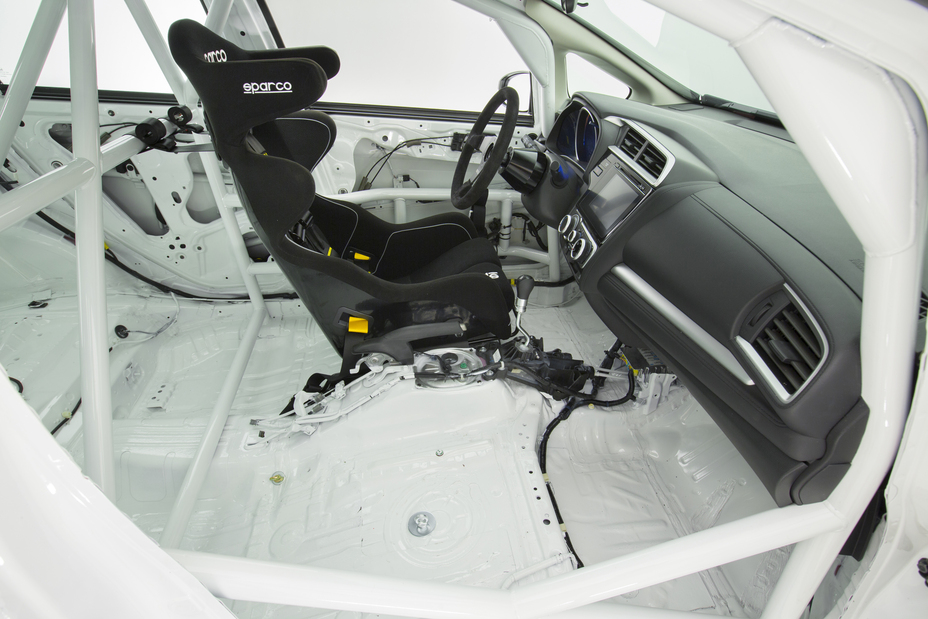
The first Fit located the fuel tank under the rear seat passengers, rather than under the trunk. This, along with a torsion beam rear suspension, created more space in the rear cargo area and it gave the Fit more headroom than an Odyssey. The third-gen Fit was marginally shorter than the one that came before it and had as much rear seat leg room as a contemporary Accord. The middle seats folded flat for a big, usable cargo area.
It was also genuinely fun to drive. Twenty-five years after the first Fit left the line, there are tons of videos of Fits hustling through The Tail of the Dragon right on the bumper of much more powerful modern cars. What more could you really ask for?
Honda knows that gas prices are rising and affordable cars have all but disappeared. It is in a better position than me to judge whether something like the Fit would help solve its problems here in 2026. And its in a better position to say whether what I think Honda is, or should be about, is aligned with what the company wants to be.
But as I said before, if I was in charge at Honda, I’d be spending some time thinking about products that solve immediate problems for people.
2 responses to “Hero Car”
-
the second gen Fit is such an ideal little wedge of a car, its perfect.
-
In a weird way, the Fit is more of the successor to the original Mini than the BMW cars. I kinda wish I had one instead of my Clubman.


Recent Posts
All Posts
March 27, 2026
March 25, 2026
March 24, 2026
Leave a Reply