Run About
January 27, 2026
Alex KiersteinBertone revisits a fun classic concept using modern underpinnings. The result isn’t a doppelganger of the original, and it’s better for it.
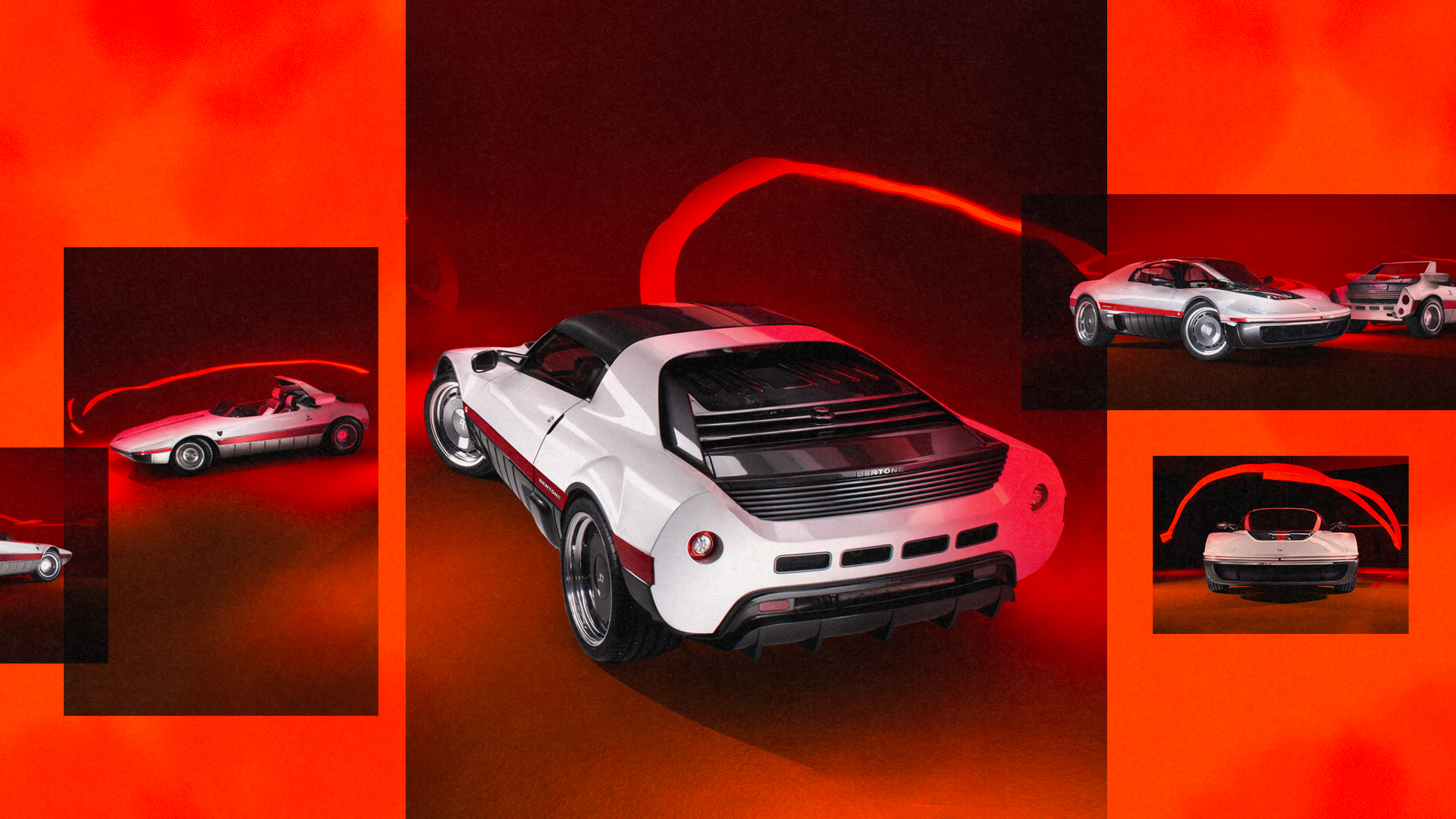
In the 1960s, design houses like Bertone pushed automotive design out of the stodgy practicality of its past and contemplated the vehicle as a means of self-expression. I think this is most evident in the single-minded concepts (I guess you could, perhaps unfairly, call them gimmick concepts) that took an idea to an extreme conclusion—not merely the incidental charisma of a Volkswagen Type 1, for example, but the all-in extravagance of concepts like the Autobianchi A112 Runabout that Bertone just reimagined for the 21st century.
The original was an extreme example of the wedge trend, putting the pointy end at about shin height, sweeping back over some prominent fenders that arched out of the hood slab, and back over a barchetta windscreen to a large angular roll hoop. The headlights were side-mounted abreast of the hoop and just before the rear of the concept dramatically terminated in what can only be called a transom. You know, the ass end of a boat.
The nautical references there are intentional. Barchetta, after all, means little boat. The Autobianchi was quite expressly influenced by 1960s speedboats, particularly the fiberglass jobs and their aesthetic quirks. A lot of those boats were molded in two parts and joined with a prominent seam, leaving a big horizontal divider that was often turned into a design element (or hidden under a big rubber piece making a wrap-around bumper—the Renault-Penhoët Runabout RP1 I wrote about a while back has both).
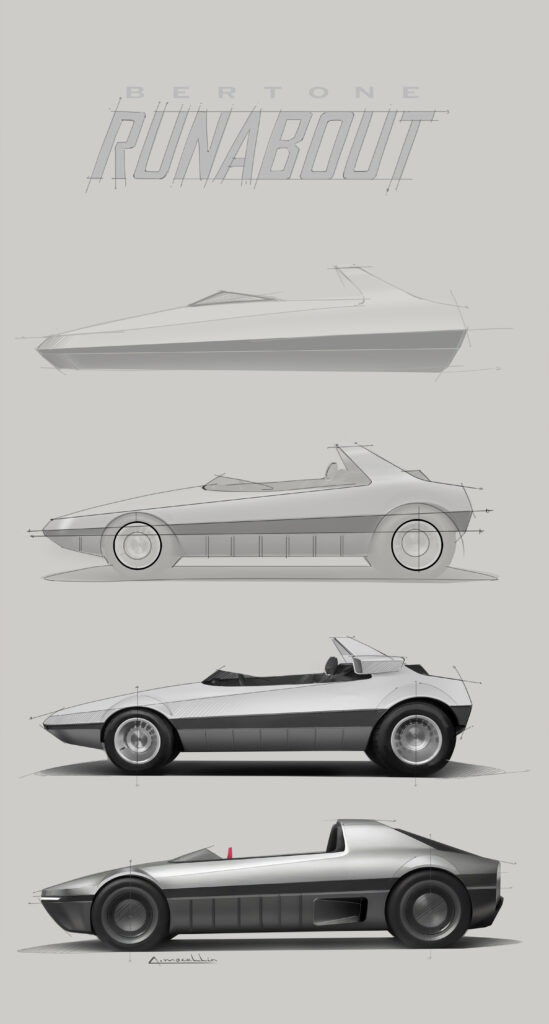
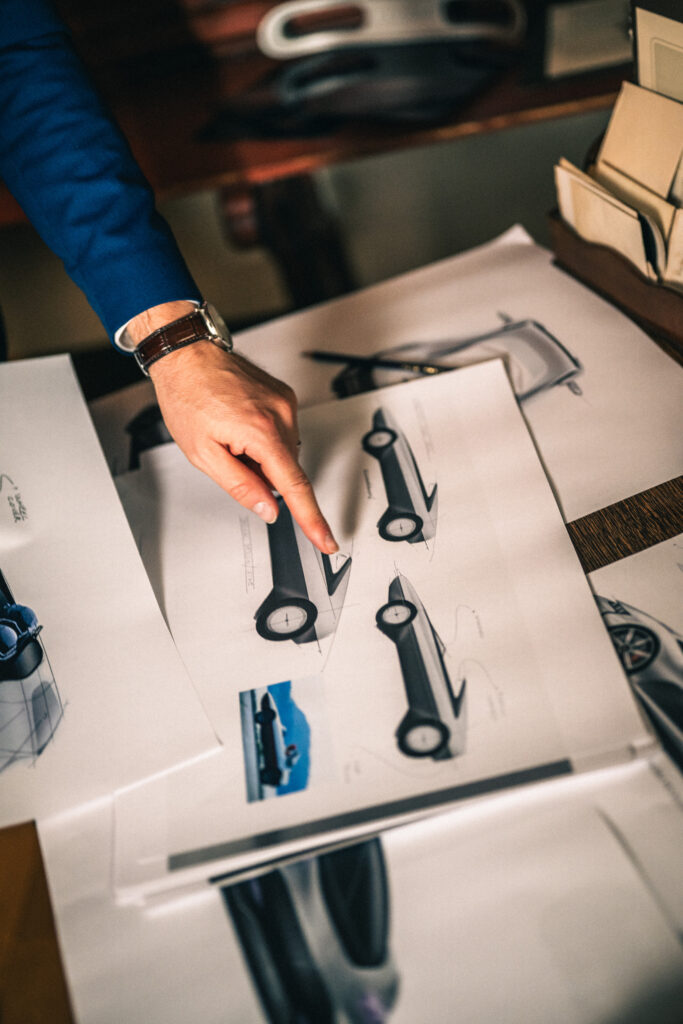
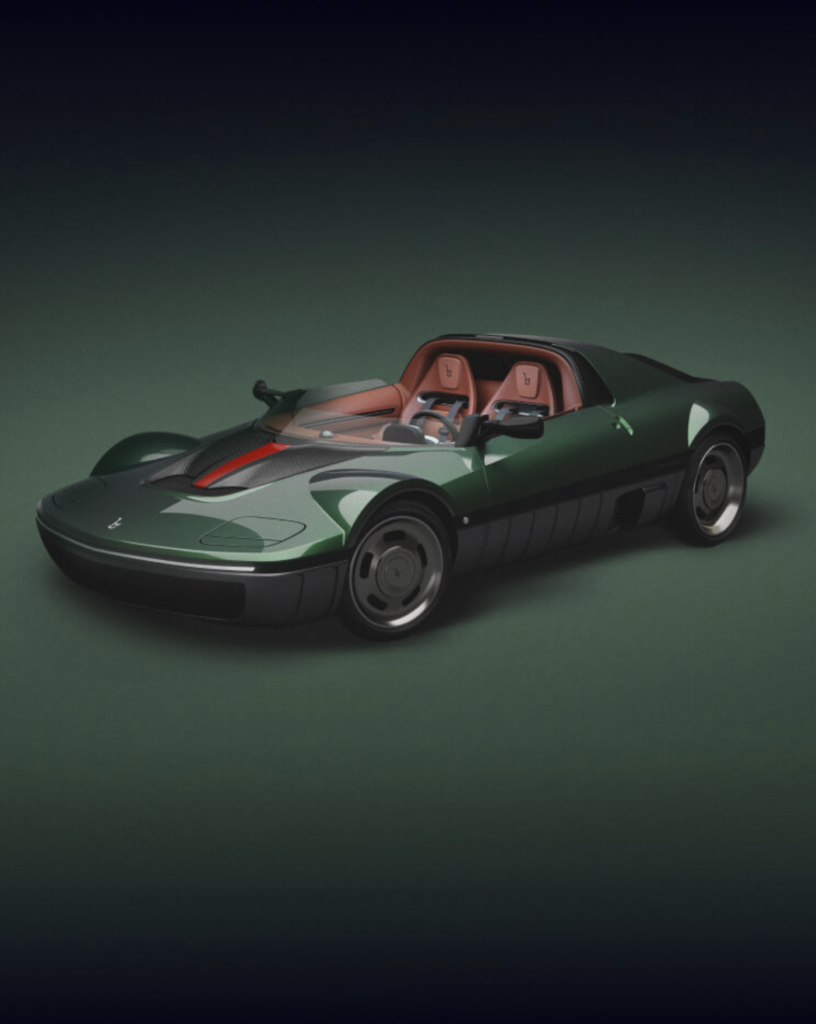
The new Bertone Runabout wears the horizontal band beautifully. It reduces some of the tumblehome height visually, gives a nice contrast when there’s a two-tone paint job applied, and helps sell the nautical theme, too. It’s part of the retro appeal of the design, but also, the new Runabout doesn’t even need the onlooker to have a mental framework of the Autobianchi original to work. It looks good. Maybe even better than the original? Certainly more usable.
Also, there’s a dash-mounted nautical compass. In case you’re trying to determine your heading. Why not? It’s fun. Just go with it.
Underneath is a Lotus Exige platform, an inspired choice for a car like this. There is nothing wrong with Lotus’ lightweight bonded extruded aluminum chassis, and honestly I bet that Lotus could do a decent business cranking them out and supplying them to outfits like Bertone indefinitely, or selling the rights to a joint like Caterham, as was widely hoped for when the S3 Elise went out of production in 2021. But that’s what’s underneath, and why if you look closely at the windshield frame and buttresses you can see a strong resemblance.
A mid-mounted blown Toyota V6 makes 475 hp. Plenty, perhaps perfect, for a small sports car like this. The body is mainly carbon fiber, and Bertone estimates it’ll hit 62 mph in 4.1 seconds. Again, that sound perfect. This is a limited run of 25 cars, priced at $463,000 and up, and so absolute performance is not (and should not) be the goal. A gated manual shifter for the six-speed underlines the point.
As is the way with these high-buck, low-run dream builds, each will be sheparded through a customization process with the buyer. It’s fantasy fulfillment, nostalgia and exclusivity. It’s remarkable, actually, that the market can support so many creations like this. Bertone is selling two of these sorts of creations; the GB110 hypercar is a little more anonymous aesthetically, but it’s a beastial 1,124-hp thing nonetheless. And some have (possibly) sold; Bertone reported nine orders for the $2.4m rebodied, turbocharged Lamborghini back in 2024.
I appreciate that pop-up headlights replace the absolutely impractical concept’s “peripheral blindness” headlight mounts, and the slightly softer lines. There’s a bit of Peter Steven’s Esprit S3 to the redesign, a smoothing. It’s surprisingly successful in that it reinterprets the original concept with some substantial differences, without losing the plot.
I’m also endlessly fascinated with the business case for these things. Brett Berk wrote about big-dollar restomods recently, and I think much of what was said in the article applies to the coachbuilding and in-house automaker customs business. There are some very important differences, of course, considering the resources and access to technical and engineering staff. But the market is similar, it’s surprisingly large, and it doesn’t seem to be slowing down.
Recent Posts
All Posts
March 12, 2026

March 11, 2026
March 10, 2026
Leave a Reply