Self-Own
April 20, 2026
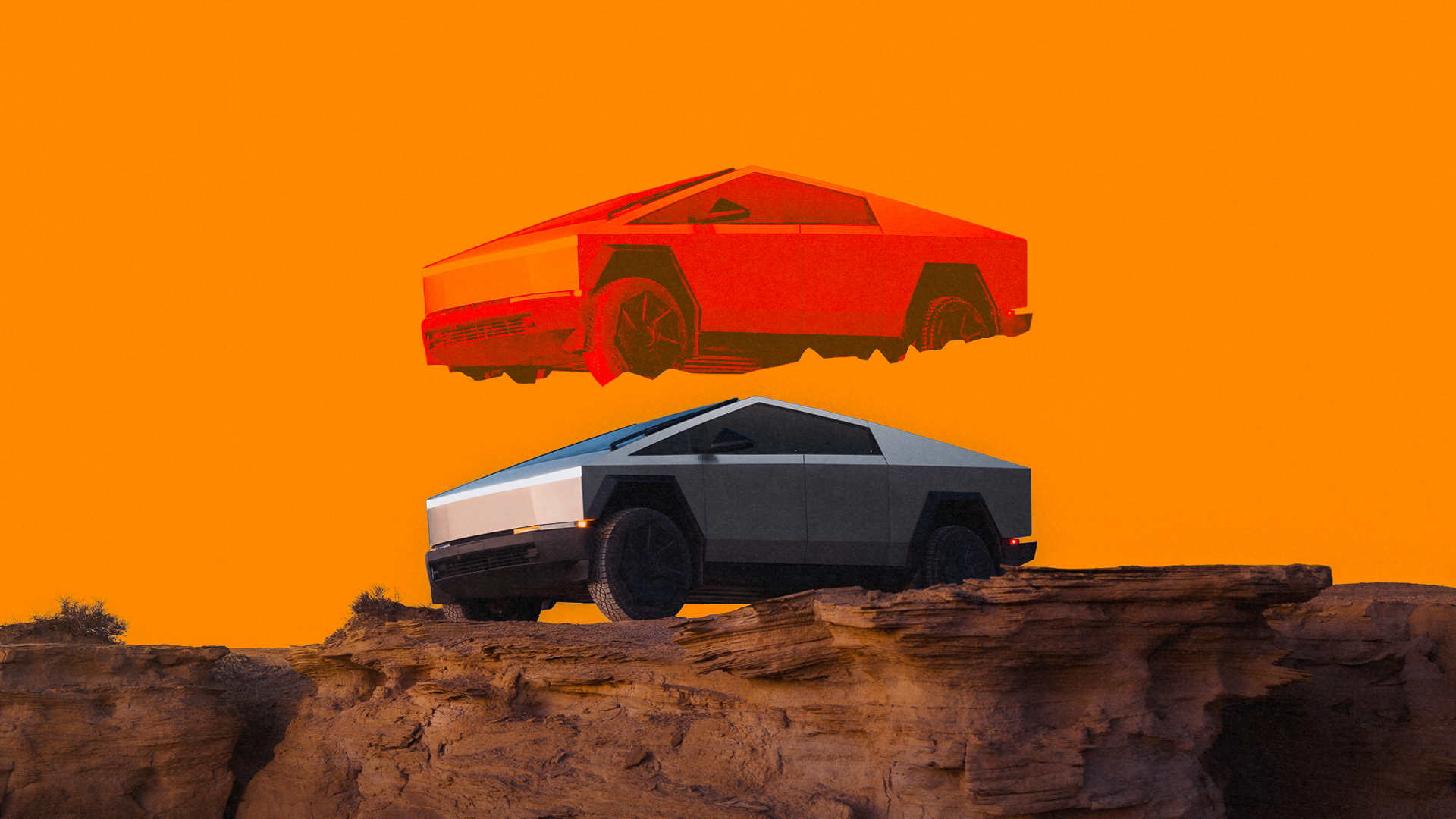
Alex KiersteinCybertruck sales aren’t good, but they’d be worse if Tesla didn’t sell a bunch to SpaceX.
You don’t even have to be a strident critic of Elon Musk—as a businessperson, and as a political figure—to recognize that Tesla Cybertruck sales have been sub-optimal. Feel free to be a strident, even an ardent critic, however. Musk’s refusal to invest in, then abandonment of Tesla’s core business; his customer-alienating, odious politics; and recent hits to profitability all are self-inflicted wounds.
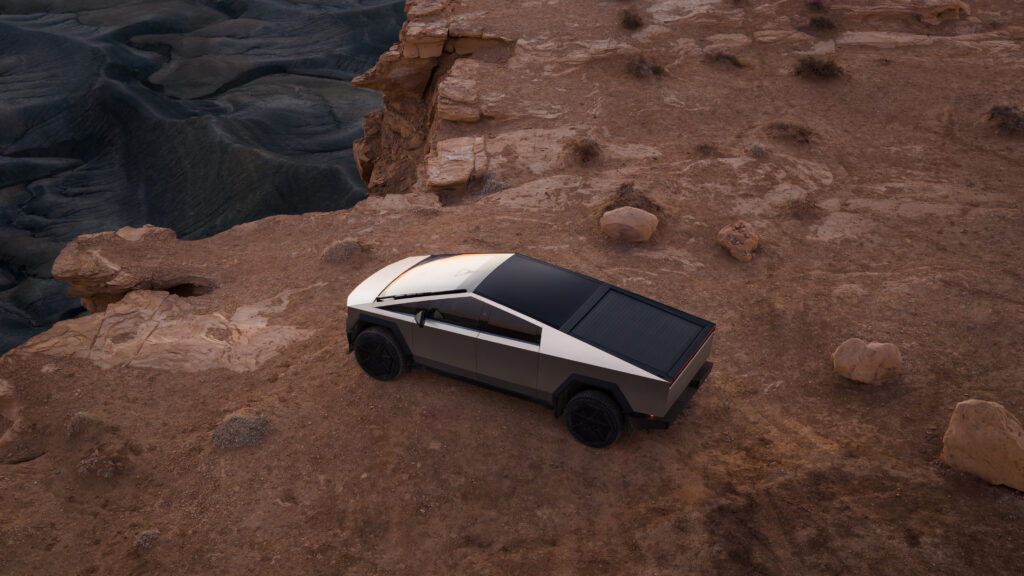
Today’s news is perhaps a little less problematic from a holistic corporate sense. Bloomberg reports that, out of roughly 7,000 Cybertrucks reported delivered in Q4 2025, roughly 18%—1,279 units—were sold to SpaceX. Which is, of course, also owned by Musk.
Does SpaceX need $90 million “worth” of Cybertrucks in the objective, rational, profit-oriented sense of things? Again, I have no idea, but by the structure of my question you can probably guess that I am of the opinion that this a way to deliver more Cybertrucks than consumers are interested in buying, with just the thinnest veneer of business need to give it legitimacy.
Musk, as he is wont to do, had lofty sales goals for the Cybertruck. By that measure, it has been a miserable failure. By EV standards, it has been a flop. Even the way Tesla breaks out its deliveries seems to obfuscate how badly the Cybertruck, Model S, and Model X are doing. Tesla has two categories in its own reporting: Model 3/Y, and Other Models.
Bloomberg had to rely on S&P Global registration data to tabulate the Cybertruck numbers. And that is how we’re able to get some sense of how the Cybertruck is doing apart from its much older siblings. We do know how Tesla itself is doing: badly. Q4 financials showed decreased revenue, increased costs, a year-over-year decline in sales, and so forth. Musk wants Tesla to become an AI and robotics company, but right now it sells cars, all of which are suffering from lack of investment and getting on in years.
Tesla can become whatever it wants, but if I were an investor—and let me be clear, I am not an investor in Tesla nor any other company I cover, as should be the case for everyone in my industry with no caveats—I would want a nice little bridge from autos to whatever Tesla will become. Some new products that aren’t two-seat taxis or facelifted versions of existing vehicles. Something Tesla and Musk, big on promises and loose on timelines, has been reluctant to do.
Until now. The rumormill is swirling with rumors of a new, less expensive model (that’s not simply a decontented 3 or Y). Reuters says it’ll be a compact SUV, built in China, below the Model Y in size. Tesla and Musk say a lot of things, often, and with little basis in reality. This is one promise that Musk should encourage his company to deliver on time. Unless, of course, the sole customer is one of Musk’s own companies. Then he can build it whenever he wants.
Recent Posts
All Posts
August 3, 2026
July 30, 2026
July 27, 2026
Leave a Reply
You must be logged in to post a comment.