Escape Velocity
December 23, 2025
Alex KiersteinFord kills the Escape, dealers fret, and the question remains: Is the full-line brand an anachronism?
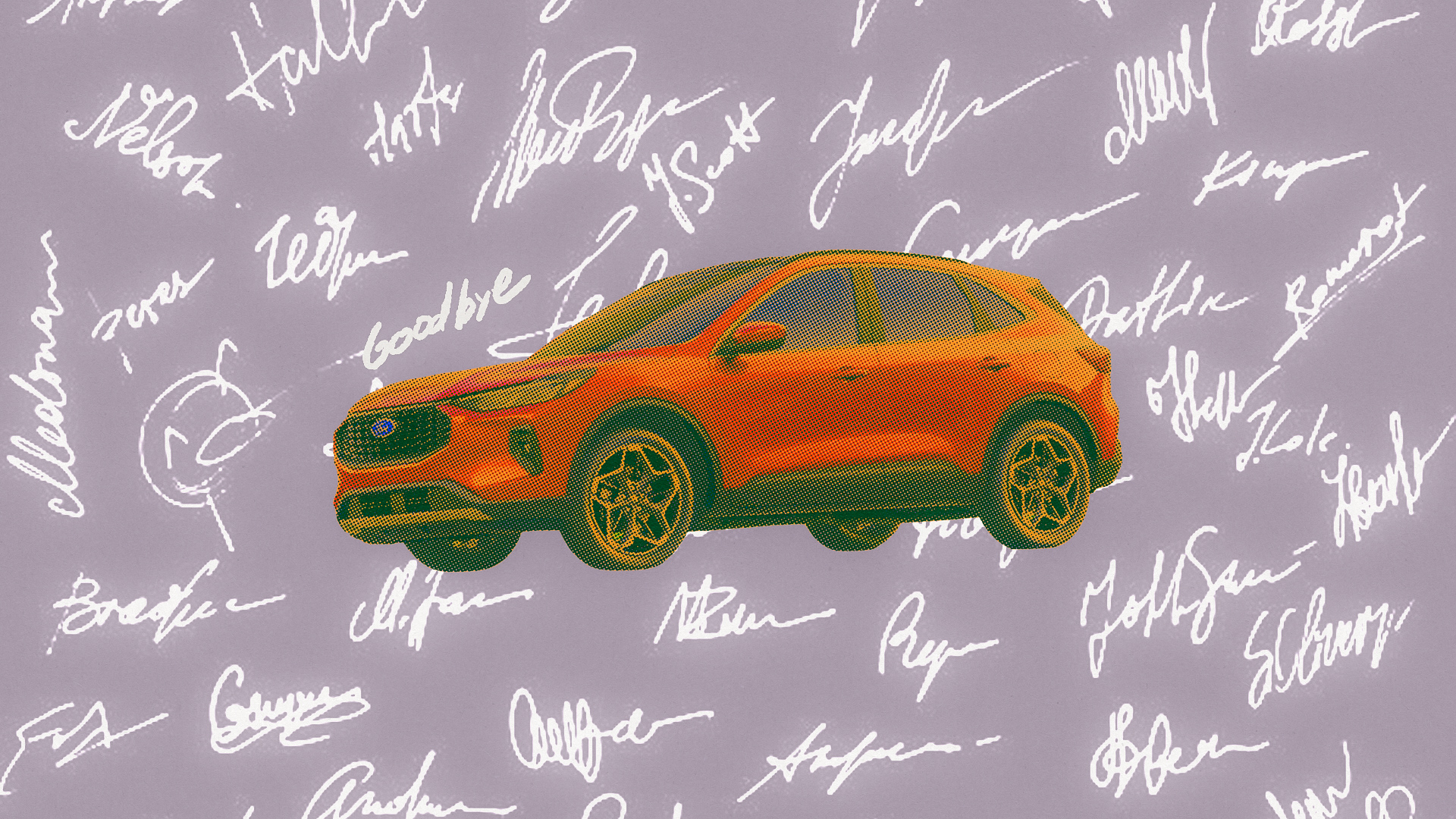
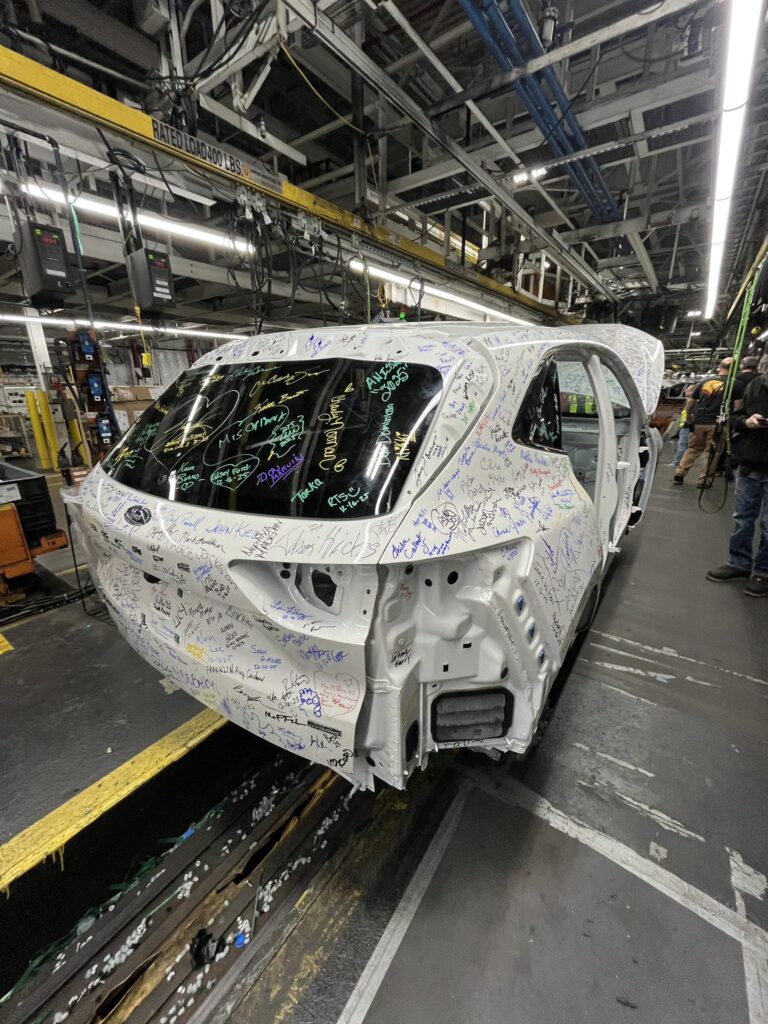
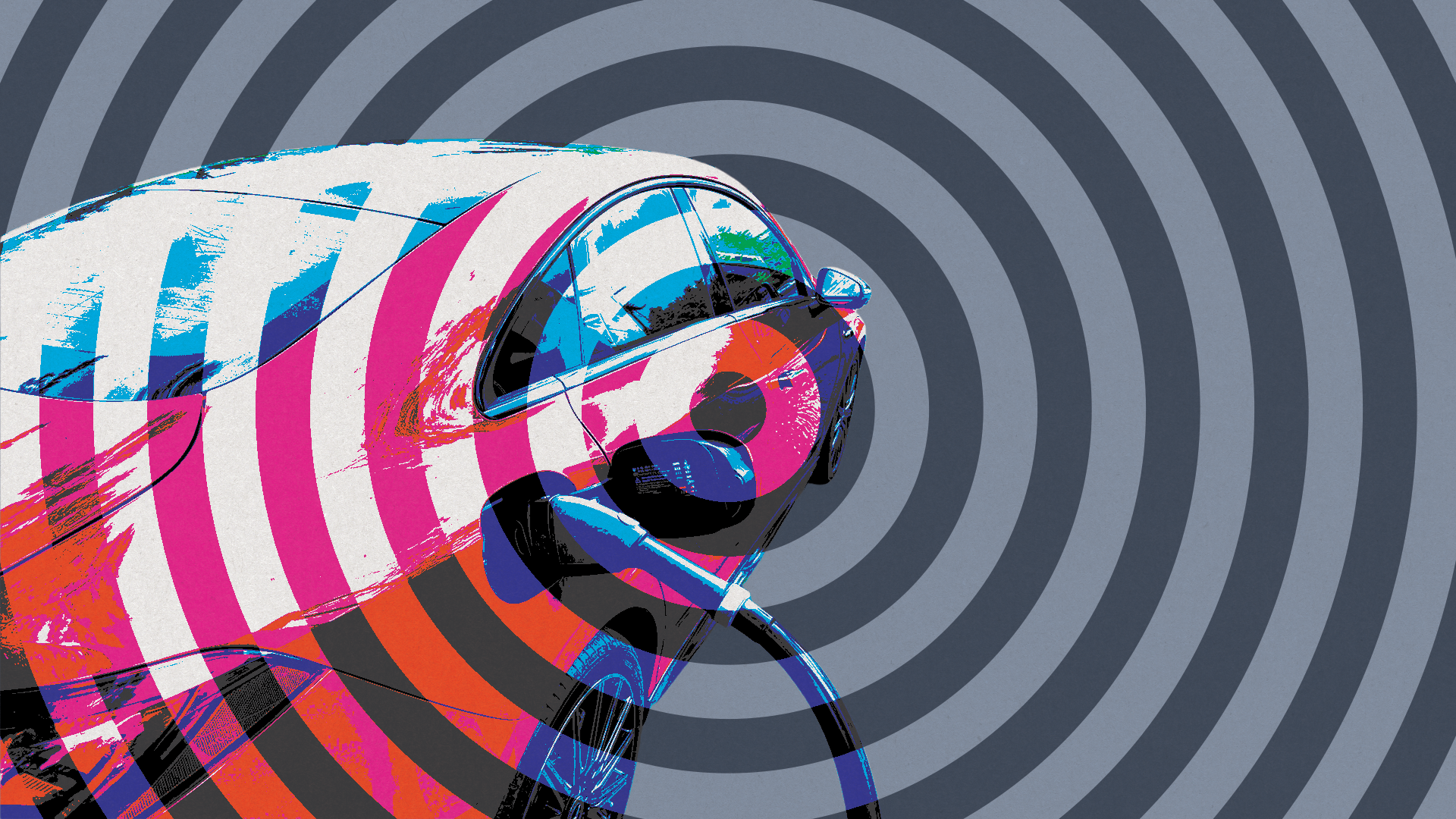
The Ford Escape ended production without a real send-off. The brand announced that production would end this year, but it was a Facebook post with a chassis going down the line, covered in factory worker signatures, that heralded the final Escape. Meanwhile, Ford’s dealers are fretting about the loss of yet another affordable vehicle, per Automotive News.
The Mustang is the last car available. The Fiesta, Focus, and more are all gone. That leaves a lineup that looks a bit unusual from a certain vantage point. The cheapest vehicle is a truck; the Maverick, with a $28,145 MSRP. Above that is, for now, the Escape, at just over $30k. The Bronco Sport, which shares a platform with the Escape (and the Maverick) starts at $1,300 more than the Escape. Not transaction prices, just MSRP, so the real-world picture with various incentives and the varying motivations of dealers may be different.
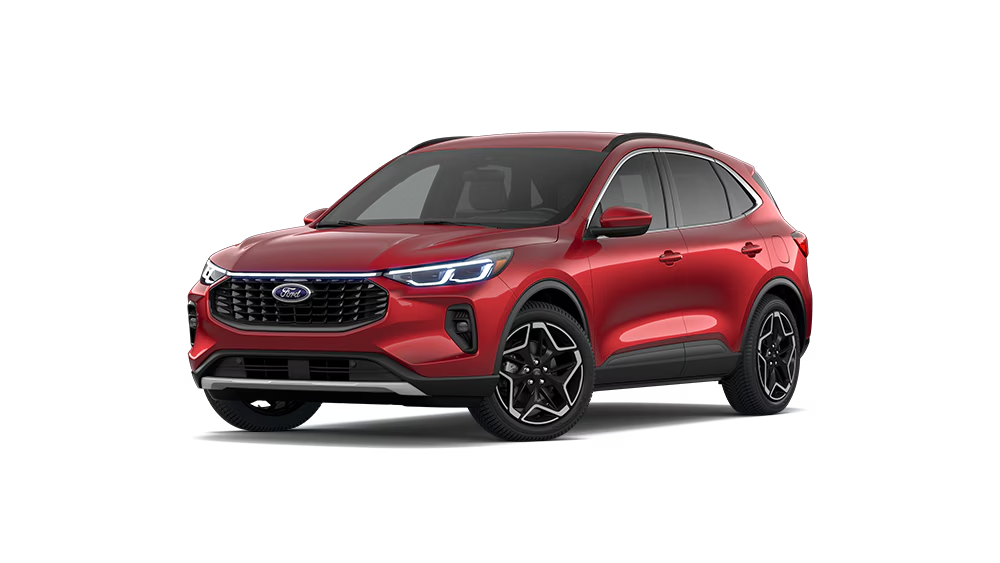
Without the Escape, the Maverick and Bronco Sport represent the bottom of the lineup, with a base Mustang hovering nearby. Ford doesn’t have something in the Chevrolet Trax, Kia Seltos, Toyota Corolla Cross realm. With the atrophying of conventional cars and hatchbacks, these budget crossovers represent the basic, minimum vehicle for most buyers. If they’re buying new, that is, but I’ll get to that in a second.
The dealer perspective (or at least the dealers who complained about the move to Automotive News) insist that removing the Escape will harm “brand loyalty.” A full-line, the dealers argue, gets traffic into the showroom.
“I’ve yet to come across a customer that’s cross-shopping an Escape and a Maverick. The Bronco Sport is a decent fill-in, but they’re two different types of buyers,” an unnamed dealer told Automotive News.
This makes sense considering the different motivations of dealers and automakers, which Ford more than any other is exacerbating with a highly pragmatic approach. Dealers would love to have an option for every buyer that walks in the door. At the high end, dealer and automaker motivations align; big profits for big trucks, high transaction prices. At the low end, they diverge sharply. Profit margins on small cars are, and have been for decades, razor-thin.
The idea used to be that a buyer would climb a ladder from a low-margin “loss leader” sort of vehicle to a lifetime of brand loyalty. Eventually the dealer would be selling them Lincoln Blackwoods and everyone in the factory-to-showroom pipeline would profit mightily from having hooked them way back when they bought a Fiesta with no A/C and a single driver’s side mirror.
By killing the Escape, Ford seems to be suggesting that this ladder is no longer very important. The way forward is to offer vehicles that have a more focused appeal and, importantly, are profitable. Look at the Bronco Sport; its higher MSRP and slightly more premium positioning suggest a higher profit per unit than the Escape that’s built on the same platform. Why build both?
If Ford was no longer offering any choices in the compact category—if the big Bronco and Explorer were the smallest and cheapest offerings in the lineup—dealers might have a stronger argument. But Ford is not abandoning the segment at all, it seems instead to be optimizing it for maximum return. And Ford doesn’t seem to be concerned about buyers at the sub-Escape price point.
Ford might have a point. Per KBB/Cox Automotive data, only 7.5% of all new cars sold were under $30,000. New car buyers are skewing wealthier. While the broader under-$30,000 segment still has some competition, it’s shrinking. If the trend holds, it isn’t an attractive place to invest to do battle with your rivals. Ford instead will regroup at higher ground, ceding the field to the others.
They can squabble over the 7.5%. Ford is chasing the other 92.5%.
Recent Posts
All Posts
August 3, 2026
July 30, 2026
July 27, 2026
Leave a Reply
You must be logged in to post a comment.