Amerika-sei
December 22, 2025
Alex KiersteinToyota’s American-built cars sold in Japan will face a big problem: taxes based on weight and displacement. Who will buy them?
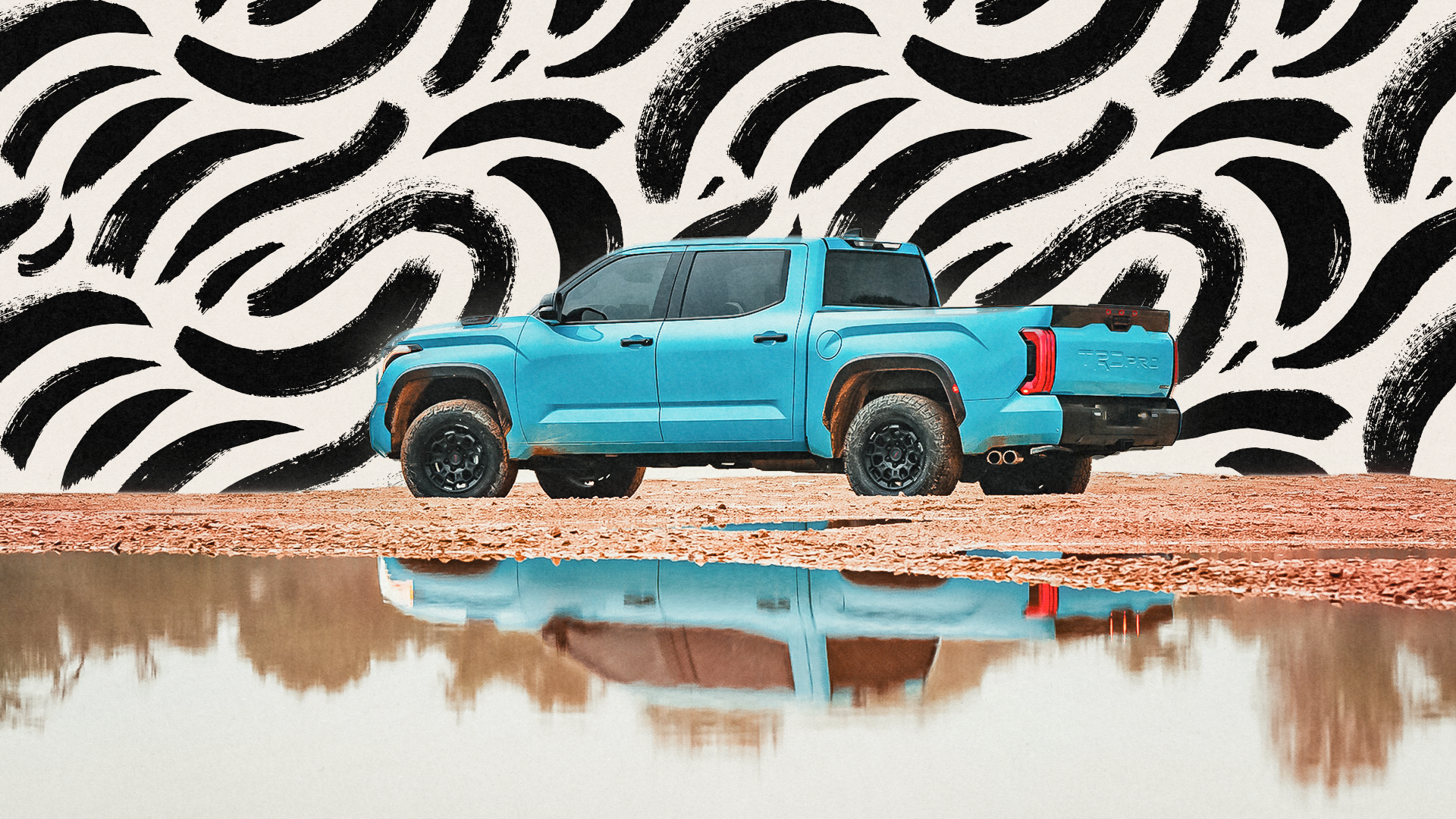
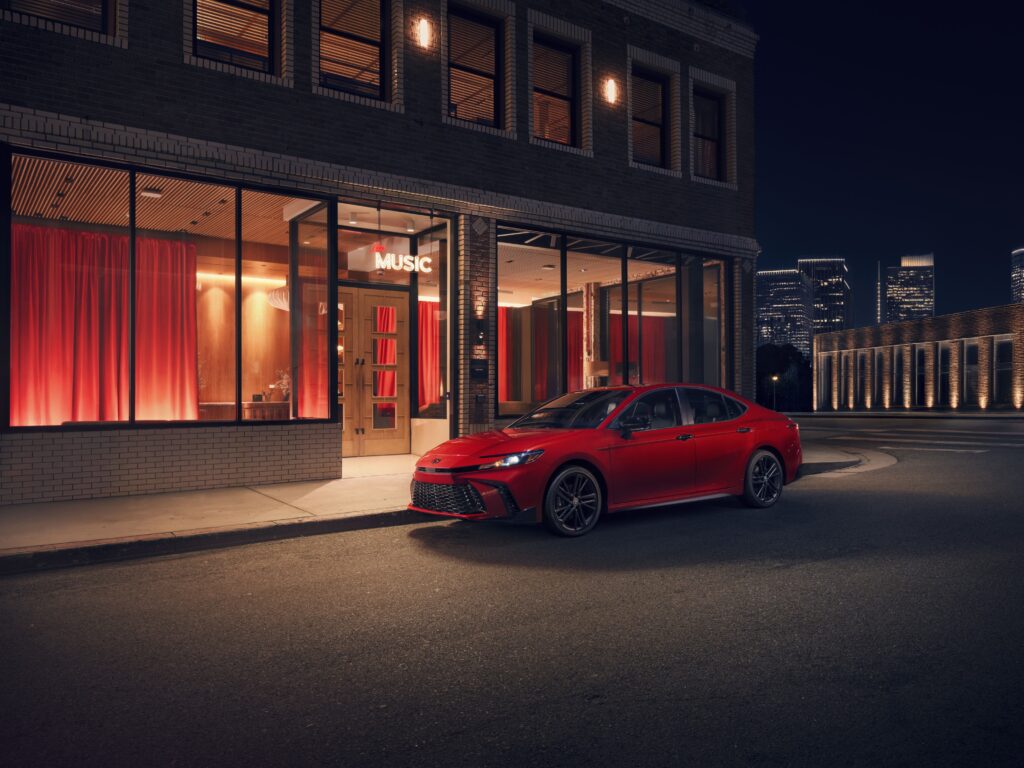
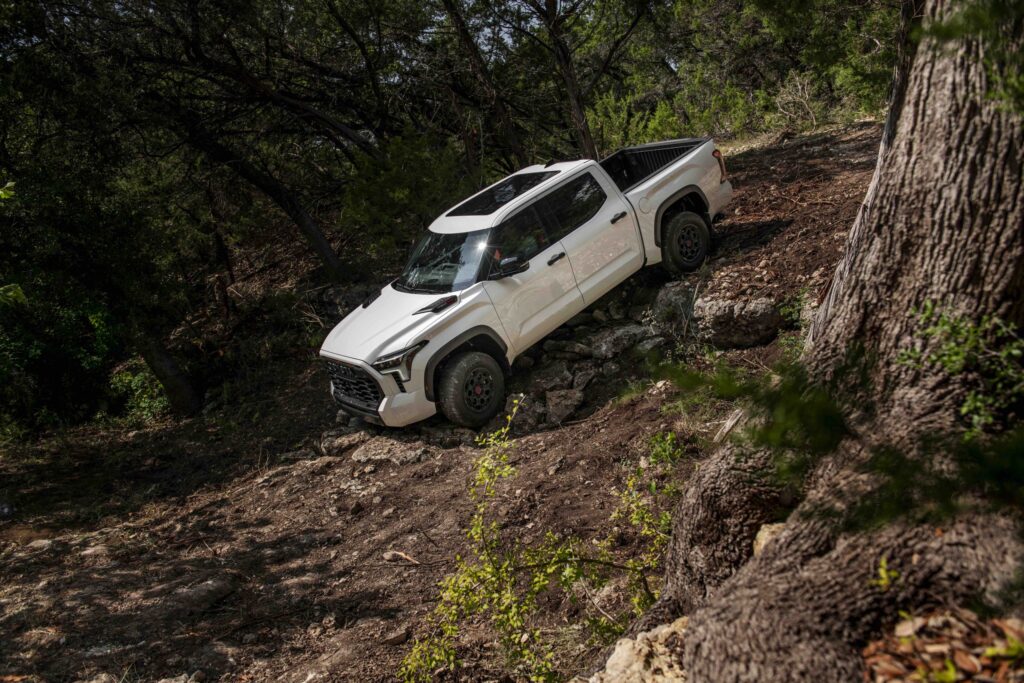
American automakers and politicians have long bemoaned the disparity: Japanese and Korean cars sell in America in volume, but American cars have sold poorly in those markets. The finger always seems to point to some sort of protectionist policies; an unfair market stacked against American-made cars. The reality is more complicated. But it’s against this backdrop that Toyota announced that it will sell three of its popular, American-built vehicles in Japan: the Toyota Camry, Highlander, and Tundra.
Let me set up some more context before we get into whether this seems like a sensible idea or has some other purpose. The Toyota Corolla is, indeed, very popular in Japan. It’s the best-selling non-kei car as of 2024, looking at whole-year figures. Toyota moved about 167,000 of them. The Japanese-market Corolla is very similar to ours, but it is assembled in Japan. That being said, the same basic vehicle works for both markets. That’s a promising sign for the Camry, at least, right?
But outside of the Corolla and some higher-end vehicles and MPVs, most vehicles sold in Japan are smaller. Kei cars are extremely popular. That’s partly because of the tax structure in Japan. Kei cars obviously have their own rules and are cheaper to own because of their weight, overall size, and limited engine displacement. Every other vehicle is taxed in several ways.
The jidōsha-zei is an annual tax that is based on engine displacement. It’s several hundred dollars per year. There is a reduction for BEV and PHEV vehicles. There’s also a tax based on overall weight, the jūryō-zei. Heavier cars, larger engines, more incremental costs over the life of the vehicle. Don’t forget about the stringent periodic vehicle inspections. And a road network that disadvantages larger vehicles—narrow streets, small parking spaces, tight urban areas.
Larger vehicles have some cachet in Japan, but driving them around can be highly impractical. Where does that leave the Camry, which is midsize by American standards but very large to most of the rest of the world? Not to mention the three-row Highlander or the very, very large Tundra.
To be blunt, it leaves them at a significant disadvantage to the vehicles already in the market in terms of their practical appeal. One thing that these American-built vehicles will have going for them is that there is no tariff on imported vehicles in Japan. They’ll be able to be sold for whatever it costs to transport them to market. The barrier is going to be consumer preference.
Japan has endured American-built vehicles imported for, but not adapted to, the local market before. One was the Toyota Cavalier, a Toyota-badged Chevrolet born not out of a Japanese consumer desire for the compact American car, but because of political considerations. Why were Japanese cars so popular in America and not American cars in Japan? After some bluster, an agreement was worked out, and Toyota agreed to sell the Cavalier in a halfhearted attempt to reconcile the import/export disparity.
The Toyota Cavalier was a flop. One issue was quality; apparently Toyota rejected the specially prepared, rigorously assembled Cavaliers in droves. The cost of maintaining them meant that the few that were sold often didn’t stay in Japan long given the expense of getting them to pass roadworthiness inspections. Allegedly this harmed the reputation of American cars further.
Now, Toyota builds the Camry, Tundra, and Highlander itself. Generally, Toyota’s American factories are well-regarded for quality. But there are some notable exceptions. The Tundra is experiencing some devastating high-profile issues with its 3.4-liter turbocharged V6. If those aren’t rectified before the Tundra goes on sale in Japan, it will certainly cause problems for the Tundra’s reputation in that market.
GM wanted the Toyota Cavalier to change the narrative about American cars in Japan, earnestly. It didn’t work. I can’t imagine that Toyota, knowing its home market intimately, imagines that tens of thousands of Camrys will go flying off of its Japanese network of dealerships. This seems, to me, like going through the motions. A low-risk, low-reward way of demonstrating to American politicians that this automaker is willing to import American-built products abroad. That it is, in a sense, an American automaker.
Do the products have to succeed if the political capital is secured? I don’t think that’s necessary. I am not even sure that the export of these models to Japan will actually occur. When it does, it will be very interesting to see the volume of vehicles that go abroad and how many are actually sold. (And, to be fair, the Camry was sold in Japan until recently. It just wasn’t very popular.)
A quick postscript: my feelings about the unsuitability of American-market Toyota vehicles to Japan don’t in any way represent my feelings about the suitability of these products to our market. I think the US-built Japanese vehicle story overall has been a big success, starting with Honda’s Marysville experiment in Ohio building the Accord in 1983. It’s been decades, and it’s been a success overall for everyone involved (with a few exceptions).
By all means, keep building Japanese cars in America. But if you want to sell them in Japan, really sell them, then make sure it’s something the Japanese actually want to buy.
Recent Posts
All Posts
August 3, 2026

July 30, 2026

July 27, 2026
Leave a Reply
You must be logged in to post a comment.