500 to 60
November 25, 2025
Alex KiersteinFiat’s Euro-spec 500 Hybrid puts up performance numbers that look like they belong to its 1960s counterparts. Can a modern car be too slow?
The new Fiat 500 Hybrid’s specs, pulled from a European press release, are notable for a reason which is now novel: it is exceptionally slow. Slow to the point that a diehard slow-car-fast advocate like myself is forced to ponder at what point slow becomes too slow.
Now, I’m going to apply an American frame of reference to the European spec of a car that almost certainly won’t be sold here in this form. (Fiat couldn’t. Could they?) And I’m going to use the last gas-powered Fiat 500 we got, until 2019, as that frame of reference.
The 500 was fun despite modest mechanicals—just like the nuova 500 of the late 1950s. That had a lot to do with its curb weight–2,300 to 2,500 pounds, depending on equipment. It had very little to do with raw power, although the base engine’s 105 hp provided only enough scoot to hit 60 mph in a tick under 10 seconds. For North America, that is roughly the modern floor for acceleration. Only the Mitsubishi Mirage was slower; much slower. But the base 500 was a city car; 9.7 seconds to 60 mph isn’t so slow to be dangerous for an occasional freeway merge.
Many cars on sale fall into this category. The Honda HR-V, the Nissan Kicks, et cetera. Buyers aren’t surprised that they’re pokey, and they seem to get around just fine. The Mirage was often an easy target for ridicule, but its roughly 12-second 0-60 time was adequate. Barely.
Remember, 0-60 times are done from a stop (or with rollout) and a professional tester doing everything possible to accelerate as quickly as possible. It’s a reproducible measure, but it’s not a typical freeway merging experience. Maybe 20 or 25 mph rolling, with 50–75% throttle, up to about 55 would be realistic. And since that’s not a peak power delivery profile, I’m sure there are plenty of vehicles with real-world power delivery curves that do better in that situation than the acceleration numbers might suggest.
Hell, neither the HR-V or the Kicks include acceleration times in their press kits or on the consumer sites’ spec sheet, and that’s fine. The driver will suss out if it’s sufficient, hopefully, on a test drive. And as I’m saying, around 10 seconds to 60 mph seems to produce adequate real-world results.
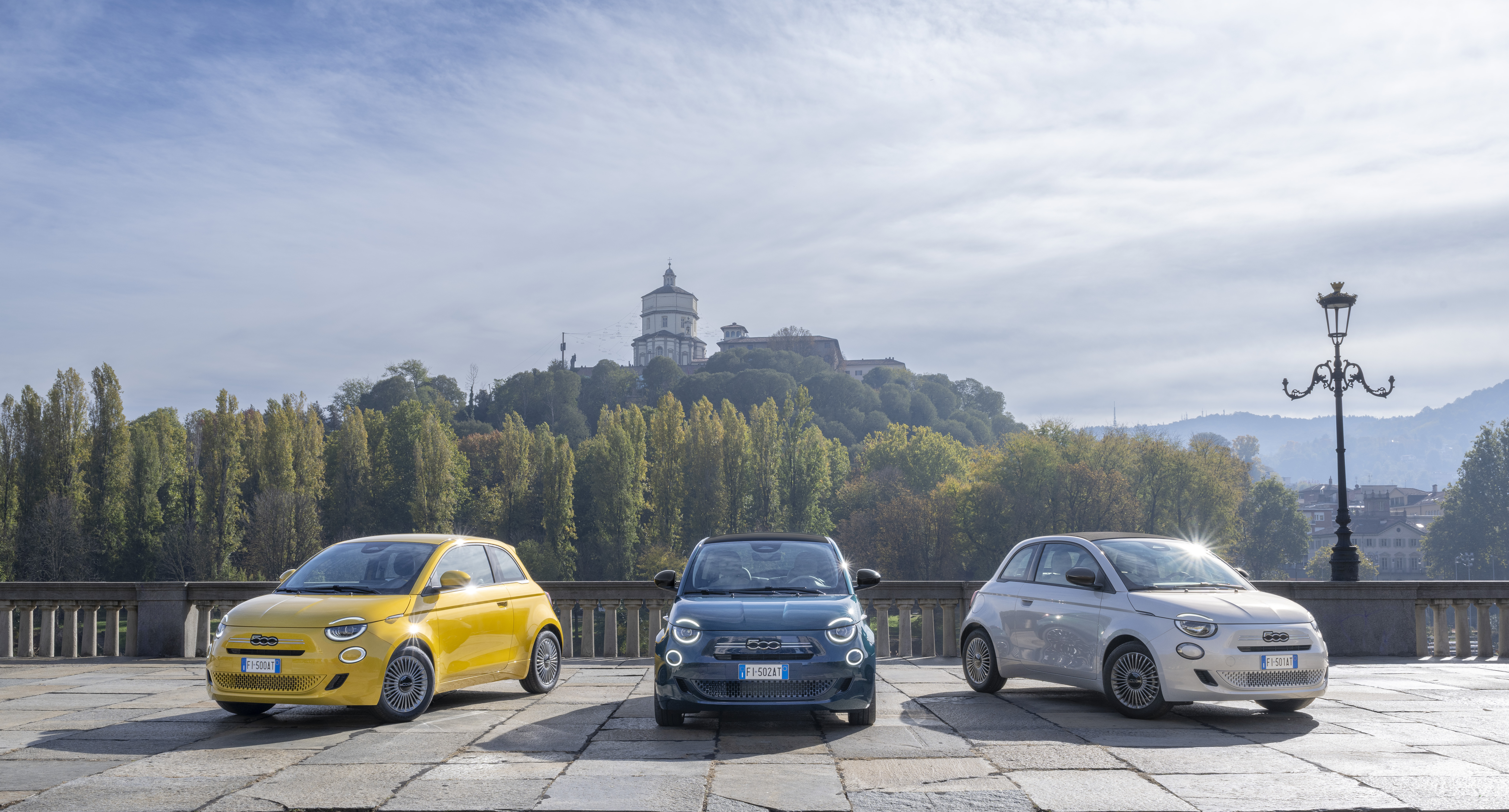
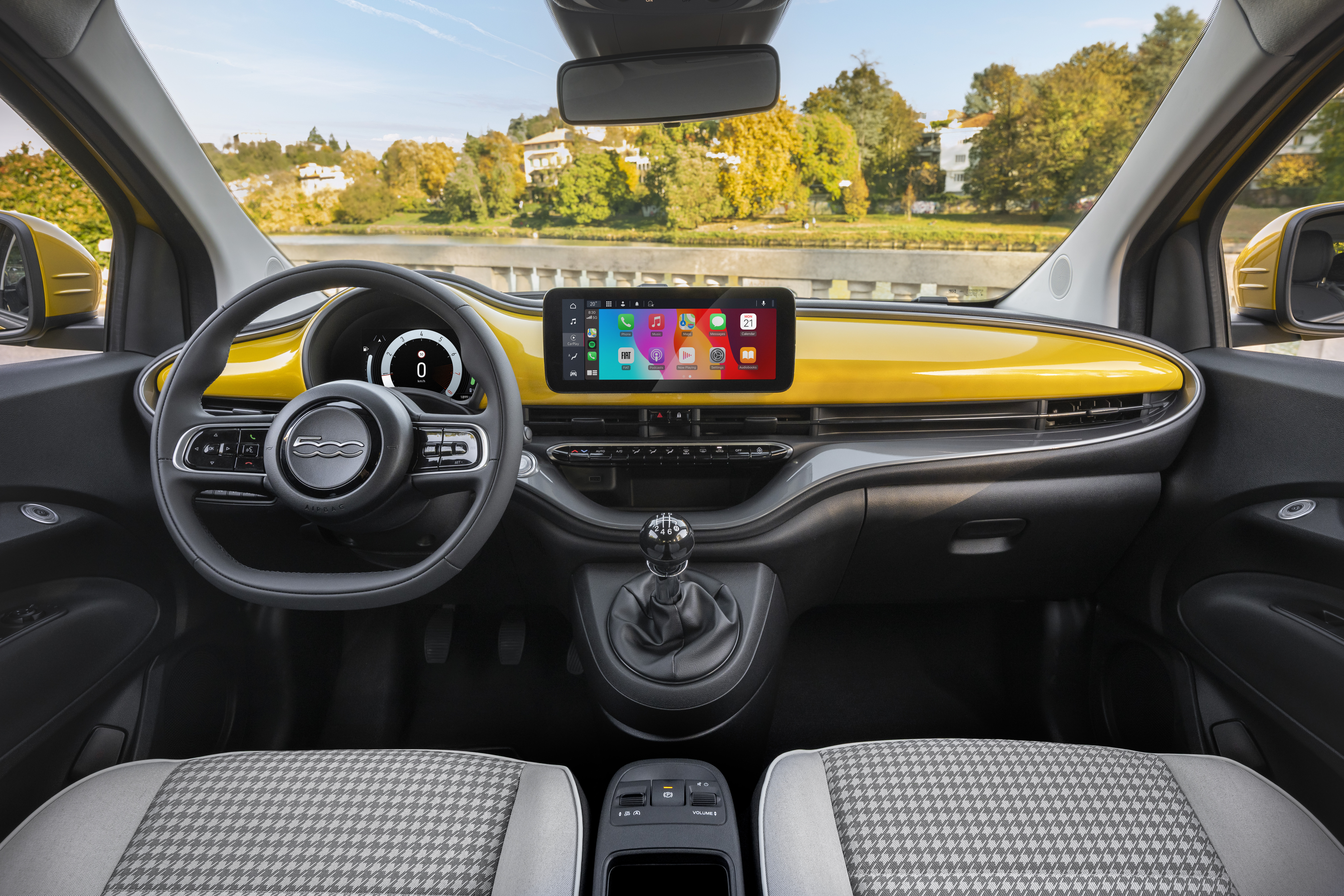
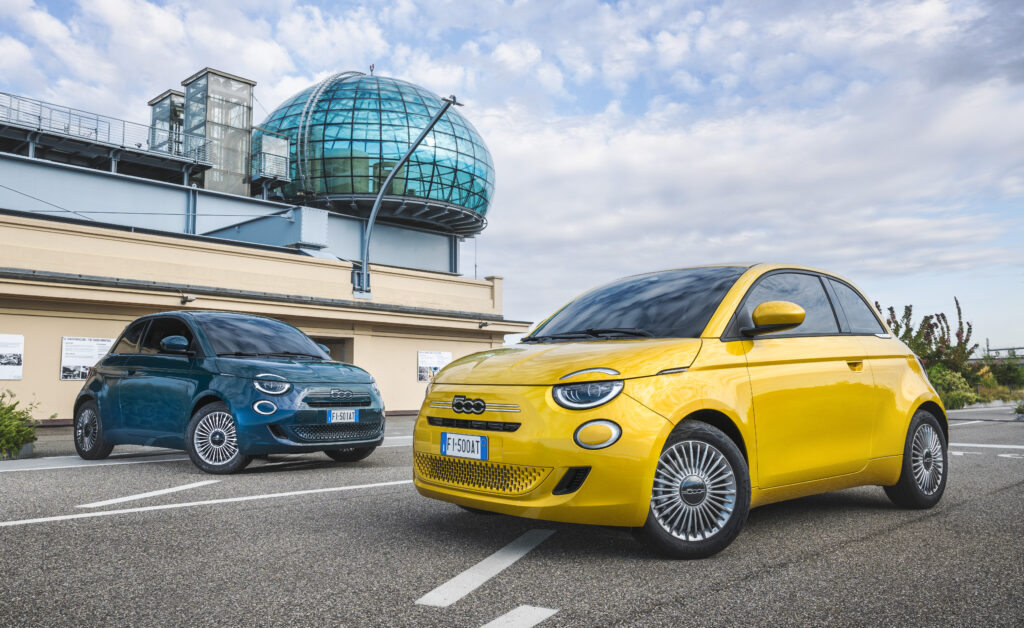
Rory is going to yell at me for burying the lede, but with that context, the Fiat 500 Hybrid’s quoted 0–62 mph time is 16.2 seconds for the coupe and 17.3 for the convertible. The number looks a little better if you adjust the measure to our 60 mph standard, but it’d get dusted by a Mitsubishi Mirage in the sleepiest drag race of all time.
It could be that the little car’s 1.0-liter I-3 engine and 6-speed manual gearbox run out of grunt at the upper end of that range. After all, Fiat quotes the total system output at just 65 hp. An urban focus means it might be geared to be peppier at low speeds, with a tall overdrive for cruising. It might not breathe well at upper RPM. And its hybrid system is mild, with a 12V li-ion system like its European predecessor, which was only really able to recoup enough energy from braking to add a peak of 1 additional horsepower to the total output.
It’s novel to have a performance metric that I’d be interested in testing out myself on that end of the spectrum. And mild or not, it’s a hybrid manual with small proportions and a zippy character. If it’s not objectively dangerous to merge onto a freeway (or, more likely, a European autoroute, since 65 hp seems grossly inadequate for Americans fixated on numbers), it could be a lot of fun.
Postscript: It’s possible Fiat will bring a mild-hybrid version of the 500 here, because keeping the 500e as the company’s sole American product seems suicidal. How hard would it be to adapt the starter-generator tech to the little 1.3-liter Turbo Multiair? Stellantis isn’t saying anything official yet, but Fiat needs a miracle to be tenable here long-term, and a gas-powered 500 might buy the brand a little more time.
Recent Posts
All Posts
August 3, 2026
July 30, 2026

July 27, 2026
Leave a Reply
You must be logged in to post a comment.