25-year Rules

The rolling 25-year rule for foreign cars may have made just about everything from the 1990s eligible for importation into the US as of this year. But apart from powering the daydreams of many enthusiasts, the importation process itself can still present plenty of its own challenges that aren’t easy to overcome, or even predict reliably. And it can still be a process that doesn’t suffer fools gladly, unless you have your eye on something that a seller has already imported.
Now that the floodgates have opened for everything from an R34 Skyline GT-R to a Fiat Multipla, do you feel ready to gamble on something that might break your heart, and possibly wallet?
Here are a few things that few people will tell you about the importation process.
Doing the legwork yourself isn’t likely to save you money
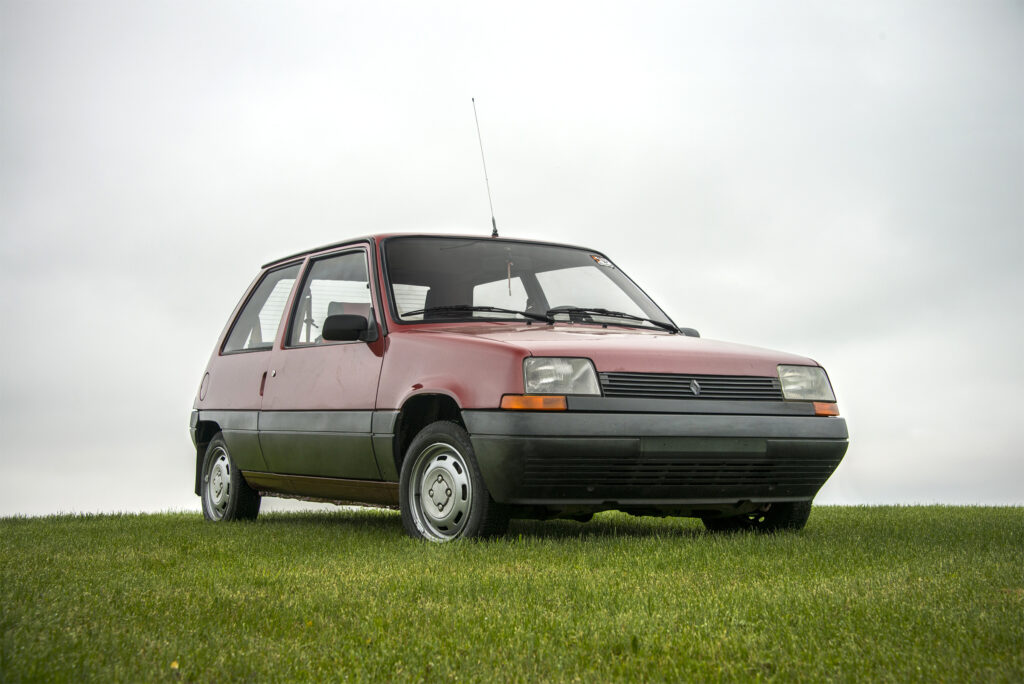
One common impulse among novices is that it will be possible to save some coin by doing most of the importation work by themselves, such as shopping for and picking out a car in person in some country and driving it to the port, and putting it on a ship bound for the US. Why deal with a string of brokers or importers?
Of course, this approach doesn’t really make sense unless you already live overseas, as traveling to some foreign land and dealing with unpredictable people, schedules, and cars in person is bound to rack up bills really fast. The only other exception is if you are a US servicemember deployed overseas who might actually have the time to shop around in person and also have their car shipped home by Uncle Sam.
The most cost-effective way to locate and purchase a car is to have an agent on the ground in a given country who can test drive, purchase, and ship cars on your behalf. At times this role can be played by a dealership employee if you’ve already buying a car from a dealer and don’t need to test drive multiple vehicles, and other times it can be a mechanic or an experienced car auction staffer.
But finding this person who can do all of these tasks on the other side of the pond is the ideal first step in importing a vehicle on a budget, if you’re comfortable buying something overseas without driving it yourself.
Getting the car into the US is the easy part.

Congrats, your prized Audi A2 has rolled off a car carrier or has been freed from a container, everyone including US Customs has been paid, and it’s now sitting in your driveway. It’s seemingly here to stay and the ordeal is complete.
Now comes the registration part.
And it hinges on a number of factors, starting with how complete your documents really are, what kind of DMV employee you’ll encounter when you show up to register your jalopy, and what kind of “attitude” your state has toward a particular type of car to begin with.
Registration is easily the most important step of the importation process, and it can still be a gamble under the most favorable of circumstances. It is also the point where the majority of problems can occur in the process.
At this point quite a bit depends on whether the DMV will agree with you that a registration document in a foreign language, even translated, is in fact a registration document, and whether some piece of paper in a foreign language is a “title.” It also depends on whether your state has inspections for vehicles, and how stringent those happen to be. (It’s best not to have any lights at all on your dash, warning or otherwise).
Some states won’t like your 25-year-old imported vehicle.
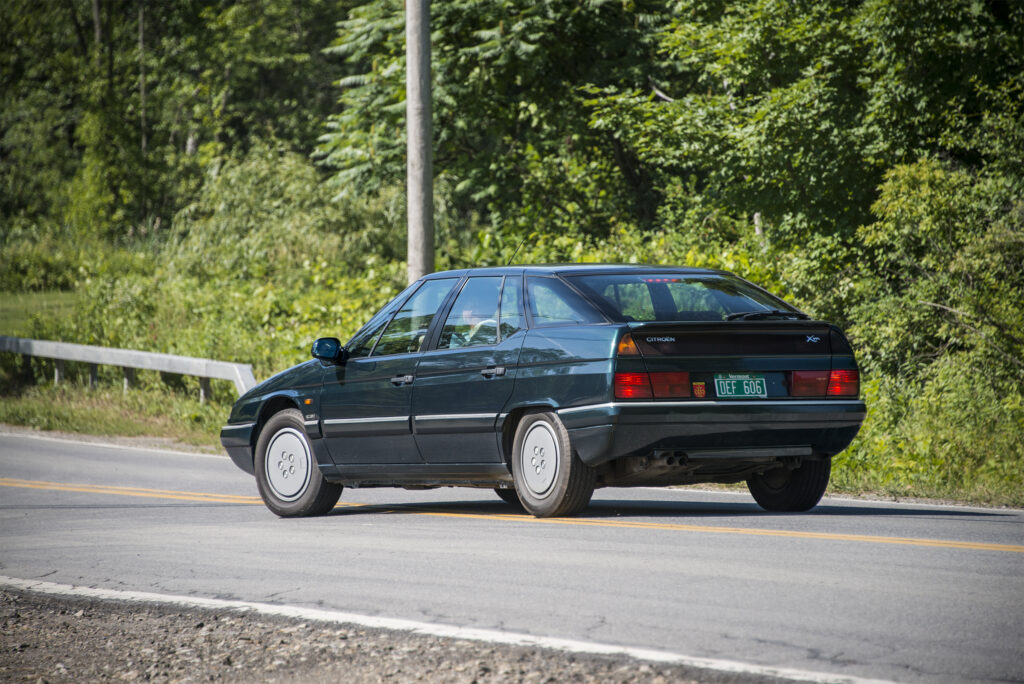
The thing about your registration battle is that you will be dealing with your individual state. There are 50 of them plus the District of Columbia and they’ll all likely see your situation a little differently.
Some states are more welcoming and experienced than others when it comes to your Opel Senator, and some are allergic to particular types of imports like kei trucks and vans, for instance.
An entire 200-page treatise and guide on kei truck and van registration can probably be compiled at this point for each state, given how some have battled kei trucks and vans over the past decade.
But it still boils down to DMV employees being willing to listen and understand your explanations, and being willing to concur that a Japanese or Swedish registration document you are presenting is legitimate, and can be treated as such for registration purposes. It all depends on who you encounter on that fateful day, and it can be the difference between you getting plates or going home dazed and empty handed.
You may have heard about the Vermont loophole by now, which permitted out-of-state owners to register their cars in the state with relatively few hoops to jump through. That’s not an option anymore, as Vermont closed the loophole two years ago.
And it is also the point at which many novices to the process might decide to only buy a car that’s already here from a dealer offering a clean US title and other supporting documents, and absorb the importing dealer markups and other indignities to try to avoid or lessen the gamble at the DMV window.
Few shops will want to touch your car.
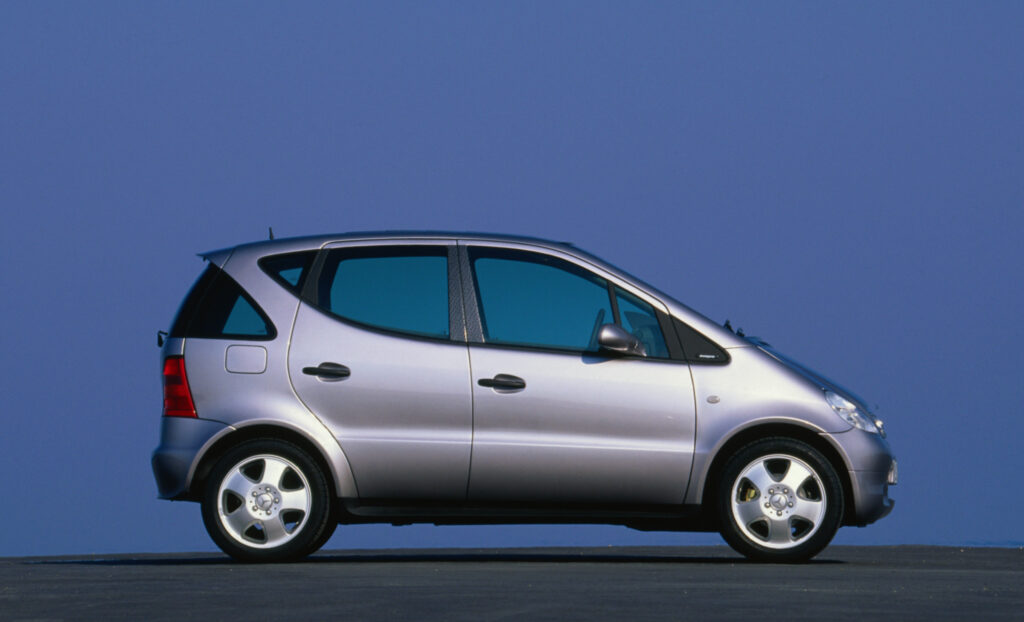
Once you get the Mercedes-Benz A-Class of your dreams, sooner or later you’ll need to service it, as it’s a 25-year-old hatchback assembled during a relatively rough era for Mercedes components.
But getting the local dealer to touch it will be a gamble, and even if you live in a relatively import-friendly part of the country for classic cars, most shops will flinch and back away from anything more than a simple job for which you’ll need to bring your own parts. Some will balk at any job that involves unfamiliar parts given to them by you.
Aside from issues like lacking technicians who have ever seen or worked on a car like yours, and often lacking official factory manuals, experienced shops are generally hesitant to touch something perceived as fragile or something they see as being difficult to get in and out of the shop quickly enough.
A major motivation on the shops’ part is avoiding quagmires where a car will sit for weeks awaiting parts or taking up working bay space, as is avoiding the headache of dealing with an inexperienced owner of such a car who could have expectations of a different budget for a given procedure.
Similarly, a significant motivator for independent shops, even those dealing with rare foreign cars (ones that were officially sold stateside) is to avoid problems that might easily become unsolvable or result in a major time and headache investment on the part of the shop.
Therefore, finding and talking to a receptive shop or three about your particular importation plans before you import a car is a good idea.
Drivetrain commonality with US models matters more than it used to.
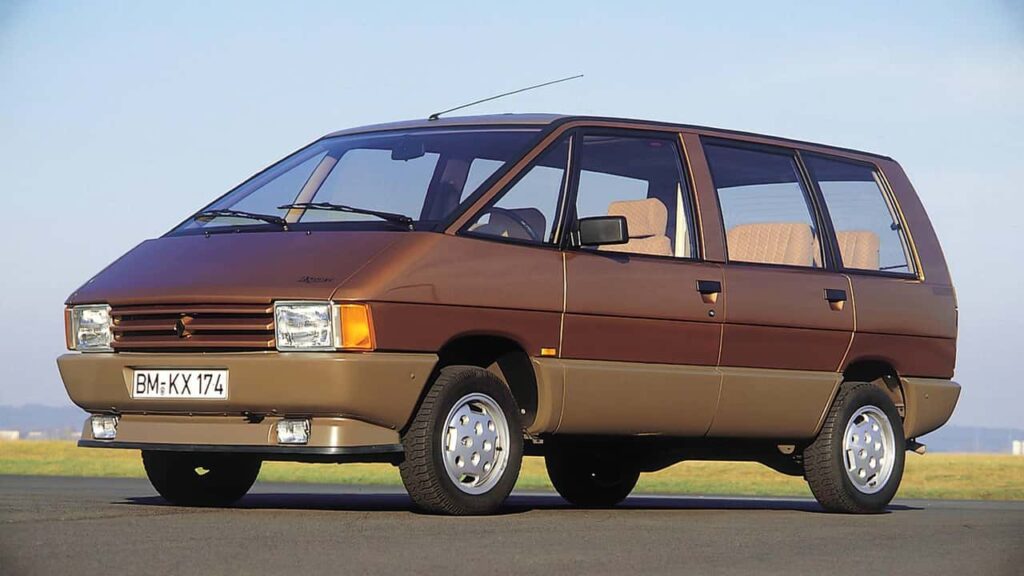
You might not think about this early on, but the car you import will effectively fall into two categories: It will share a platform and other components with another US-market vehicle, or it will not.
Something like a mid-1990s BMW E36 station wagon, for example, are close enough to US-spec cars when it comes to doing work and sourcing parts for a drivetrain, while a Japanese kei truck will effectively be without a US analogue.
This has become a much more crucial issue in recent years after in 2023 US Customs and the EPA have halted the importation of loose, non-conforming “ancient” engines for privately imported cars, ostensibly for emissions reasons.
The net result is that this action has closed the door to sourcing replacement engines for vehicles that were never sold stateside, effectively putting a BMW E36 wagon into a different category than, say, a Renault Espace or a Toyota Century when it comes to sourcing drivetrain components.
This effectively turns a straightforward factory engine swap into a much more expensive aftermarket swap that might not be financially feasible in a lot of cases.
The postscript
Now that we’ve perhaps destroyed your appetite for ever getting involved in importing something like a Renault Twingo, despite how cute and thrifty it is, we should note that even complete novices to the process can easily steer clear of all of these pitfalls with some very modest planning, some patience, and a stomach for visiting the DMV with a stack of paperwork translated from French.
But if thousands of people a year can do this on a tight budget and with plenty of help from specialists like West Coast Shipping, and can enjoy their foreign classics in a matter of weeks, then perhaps there is hope for the dreamers among us.
And with 2026 just around the corner, the daydreams of importing something from the other side of the pond will get a fresh boost.
Recent Posts
All Posts
June 24, 2026

June 23, 2026

June 21, 2026
Leave a Reply
You must be logged in to post a comment.