Simulacrum
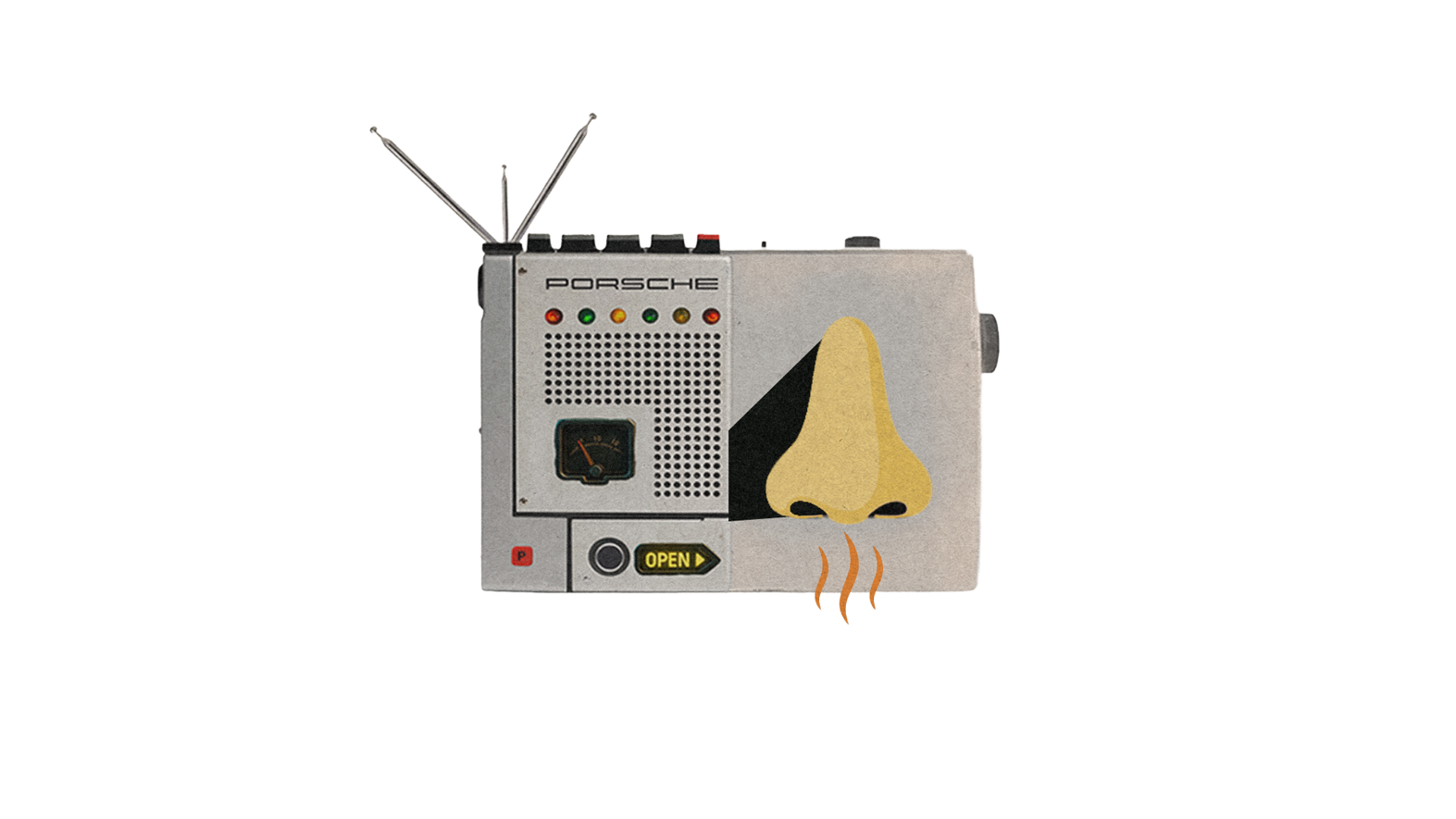

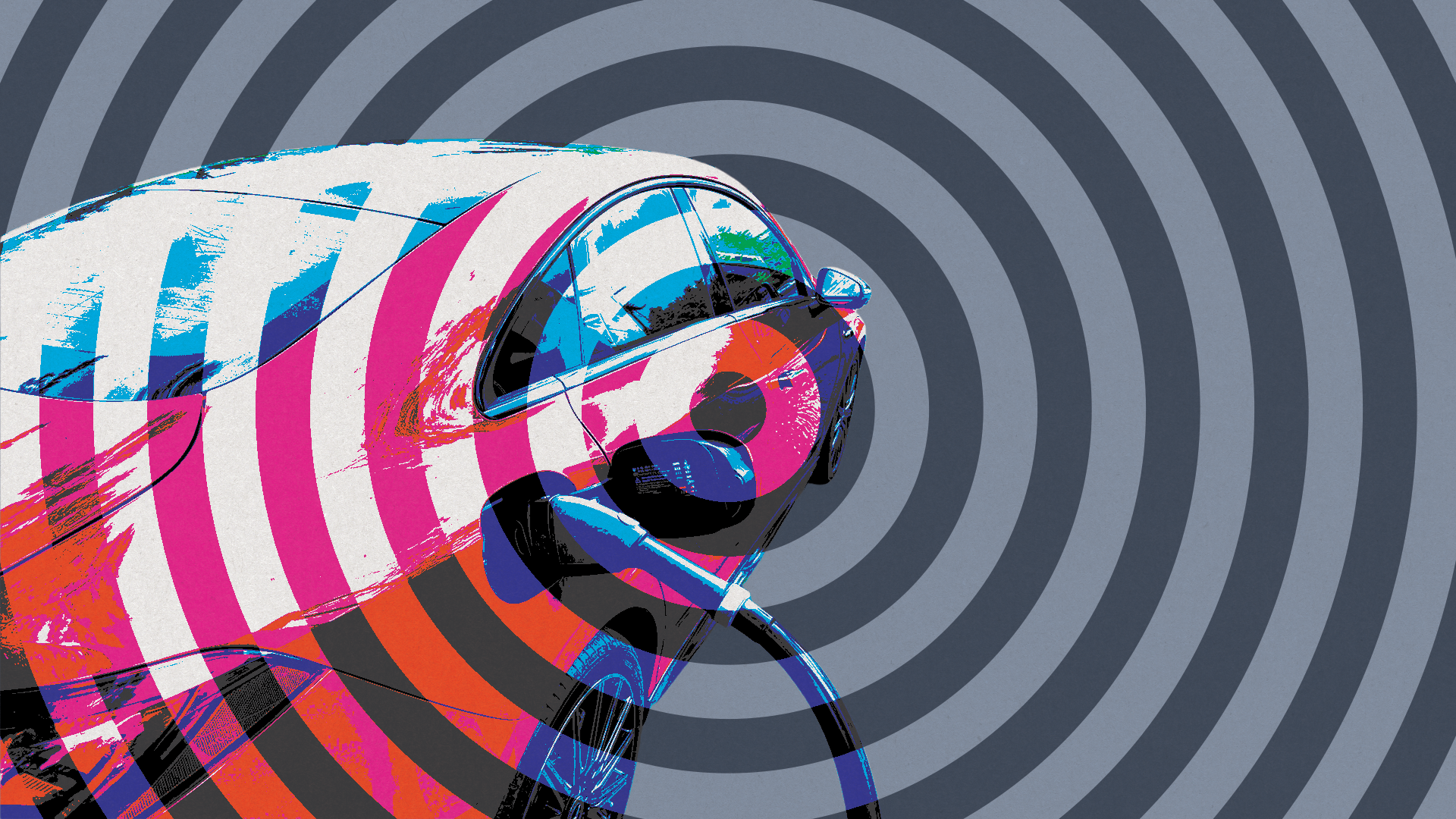
As we straddle the divide between the current internal combustion era and a potential EV era some automakers are experimenting with simulated gasoline car sounds and sensations in an effort to bring some excitement to the EV experiment. Porsche has recently published a patent that suggests at least someone in Stuttgart is imagining taking this a step further by incorporating simulations for the other senses. Porsche might never bring such a system to market, of course, but if they did, how would it be received?
Some of those who forgo meat won’t touch plant-based meat substitutes. Impossible burgers—engineered to drip with meatlike juices and resist the bite with a fleshlike spring—can be either welcome comfort food or the embodiment of meat’s sensory horrors. There is a spectrum of opinion between those two poles; I know someone who loves the familiar taste of vegan breakfast sausages but recoils at the thought of meatless ground beef.
Which begs the question: Is meat rendered from plants, without animal death but with a near-animal umami rush to the tongue … good? An insult to the inimitable chemical complexity and subtlety of real meat transformed by fire?
You probably have an opinion about this, thanks to the Beyond Meat IPO in 2019 that put beefless burgers into a broad cultural spotlight…much broader than those who may care if future cars can mimic the scent of their ancestors.
But car culture may be facing its faux meat moment right now. Simulated gearshifts (or, in Toyota’s case, simulated manual gearboxes) and customizable sound profiles are already here, drawing praise or criticism for the quality of their implementation.
Consider the Hyundai Ioniq 5 N’s N e-Shift system (it’s good) or Dodge’s Fratzonic Chambered Exhaust (ambitious and controversial). As it should be; if these features don’t elevate the driving experience, they should be improved—or you should at least be able to turn them off.
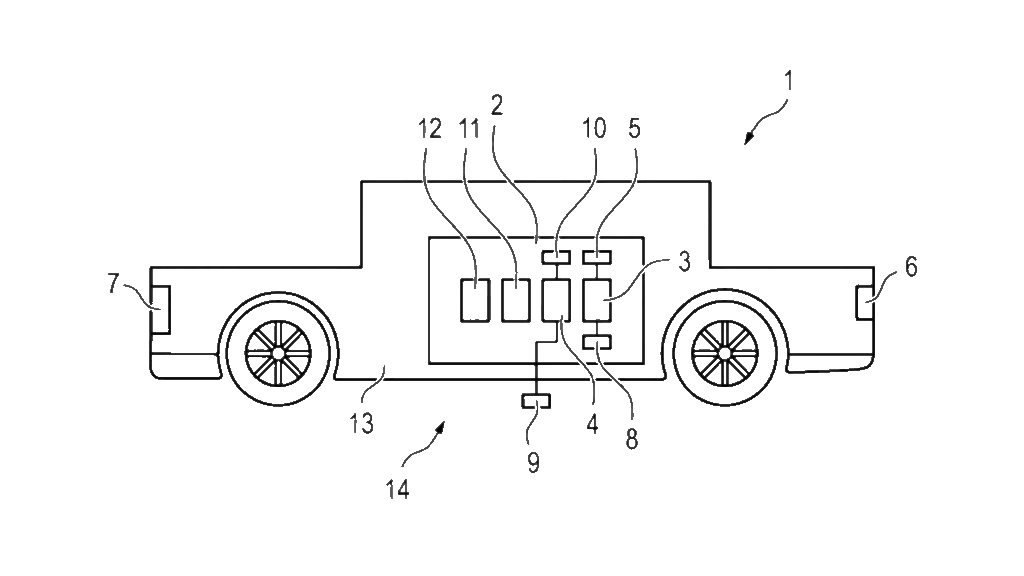
The Porsche patent, published in October, imagines co-opting other senses to make the emulation more engrossing. One idea is using light: projection to alter the exterior appearance, and even turning on and off matrix headlight and taillight elements to change the shape of the lights. The HVAC system could be used to emulate heat soak, dumping heat on your right leg as if a mess of hot headers were just behind the firewall. Haptic feedback could provide a steady throb through the steering wheel using the power steering motor, as if an internal combustion engine were thrumming away under the hood.
Even the acoustic profiles seem more involved than simply mimicking the sounds of internal combustion induction and exhaust. The patent discusses how in older sports and racing cars, deleted sound deadening material could make sounds like rain bouncing off thinner body panels or rocks tossed against unlined fender wells by sticky tires much more prominent. They’d program this in, as well.
But Porsche isn’t talking about a conventional perfume mister. The company describes a system that could emulate the odors of older vehicles: aged leather, hot oil, a rich mixture coming out of an uncatalyzed exhaust. Subtle but unmistakable signatures of pre-ECU cars.
And then there’s the “olfactory output device.” A scent dispenser. The way a car smells is an engineered part of the experience. This is more common in luxury cars, in which the balance of offensive scents like material offgassing is covered up with leather or more conventional fragrance dispensers.
Smell is one of the primal senses, and it imprints deeply. The reason that rotting meat’s aroma is so intensely revolting is it keeps the toxins of decay away from our mouth—farther away than if our taste buds were the first line of defense. A smell can trigger profound memory recall. A type of pastry your grandmother made when you were 5. That very unique vintage BMW seat stuffing scent, something you might have smelled only once decades ago, but suddenly the experience is clear and bright in your mind.
Thinking about all this gives me a sense that an “olfactory output device” could add a deeper element to a vehicle emulator. But it’s going to come down to implementation—and no patent guarantees implementation, after all. If it’s a revolting tire-scented aerosol, it’s not going to enhance the experience.
It might not enhance anyone’s experience, actually.
Patents like this aren’t always an exploration of a production application, they instead protect an idea. They may even be offensive in nature; maybe it’s more important that other automakers don’t attempt this particular combination of emulation features.
But I have to let the idea play out in my mind, however unlikely it may be, given that Porsche’s gone to the trouble of patenting it. While Porsche executives have been cool to the idea of a purely electric production 911, the Porsche Vision series of concept cars seems like a perfect showcase for a theatrical system like this. Imagine something like the Porsche Vision 357–with its Cayman GT4 ePerformance chassis and Mission R e-motors—producing the smell, sound, and throb of a 356’s flat-four profoundly enough to emerge from the uncanny valley of emulation. It would make me want to experience that for myself—and that might be as far as Porsche needs to go with this idea.
Alloy art direction: Isabella Pino
Recent Posts
All Posts
August 3, 2026
July 30, 2026
July 27, 2026
Leave a Reply
You must be logged in to post a comment.