Kaput
December 16, 2025
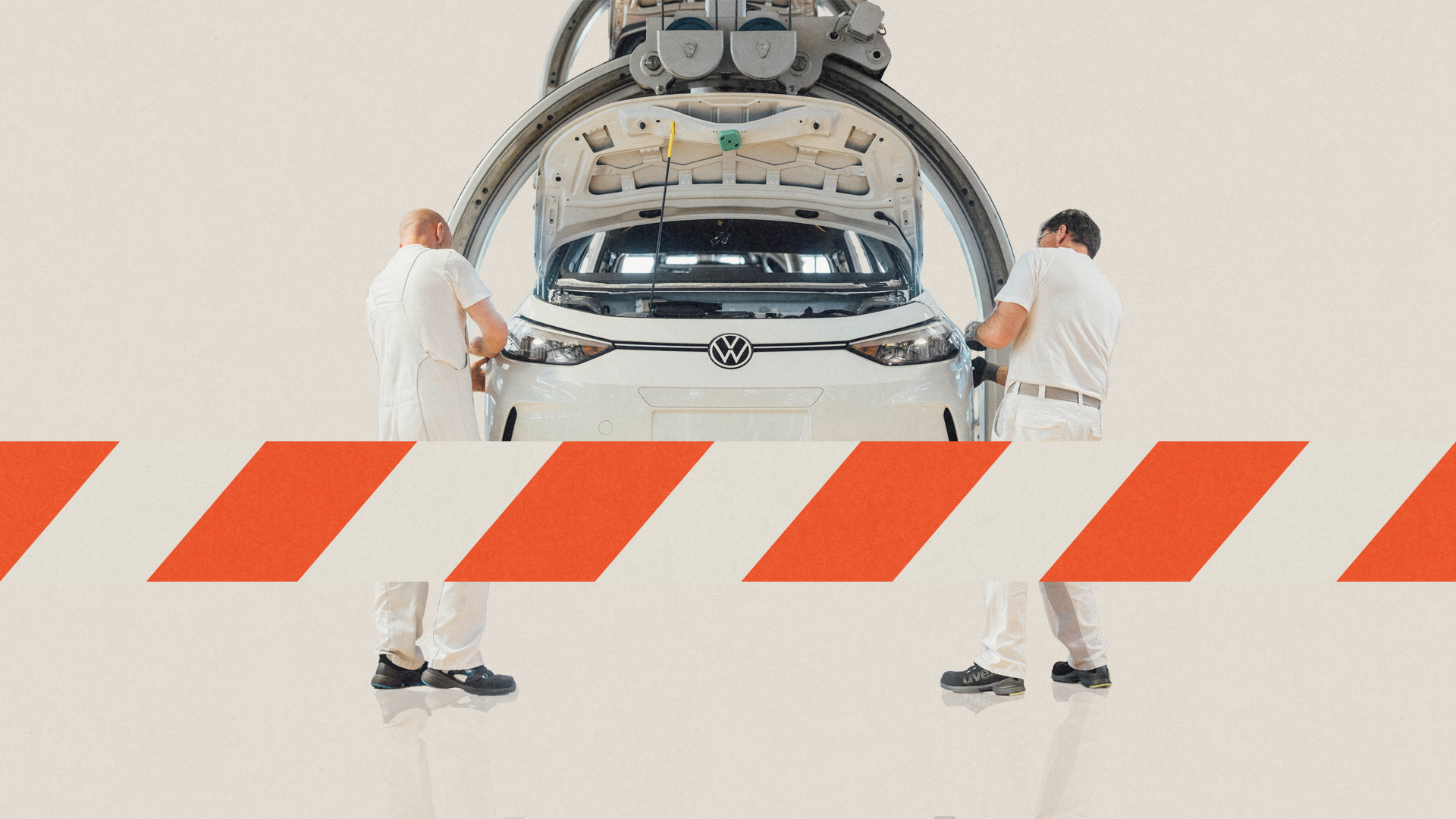
Alex KiersteinVolkswagen has never shuttered a German plant before. But now, the lights are going out at the Transparent Factory in Dresden.
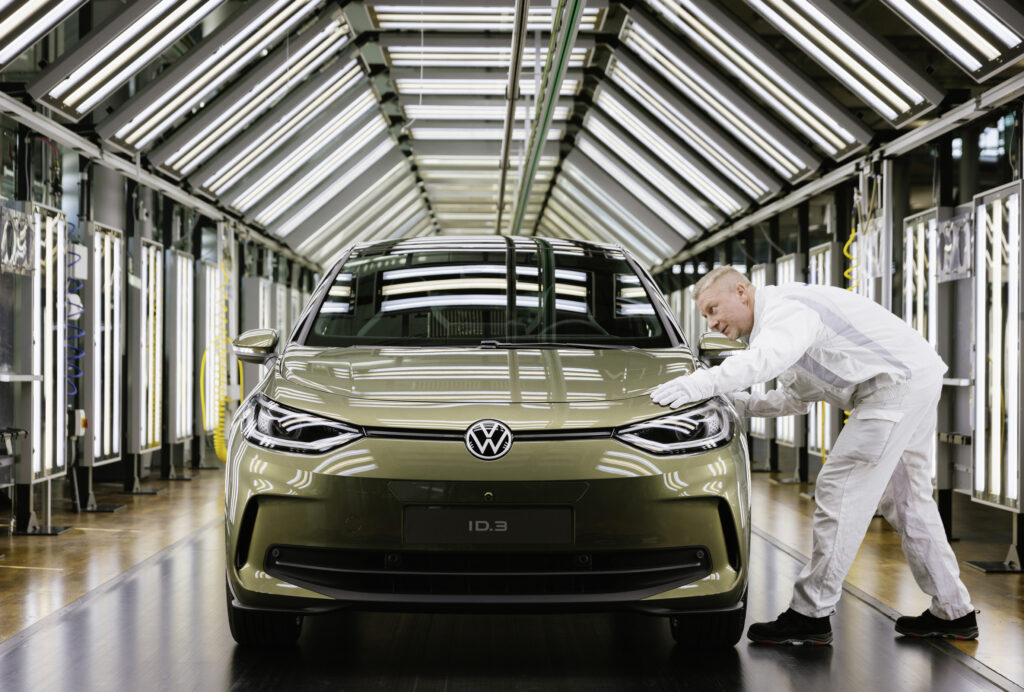
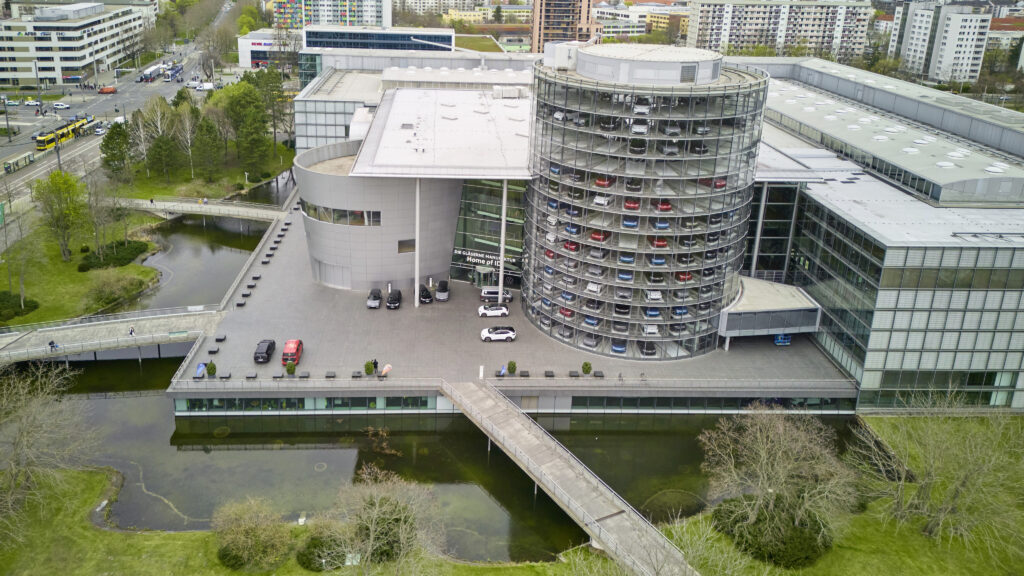
The Gläserne Manufaktur (Transparent Factory) in Dresden was built as a literal showcase assembly plant for the Volkswagen Phaeton back in 2002. Like the low-volume, up-market vehicle it was constructed to build, the Transparent Factory itself was a showy but not a high-volume operation. Wolfsburg churns out nearly 500,000 vehicles a year; the Transparent Factory has built fewer than 200,000 vehicles in 23 years. Now it will produce zero vehicles as Volkswagen transforms it into an “innovation campus.”
Volkswagen has never closed a plant in Germany before, but the Transparent Factory is as good a place to start as any. Its low-volume, high-style, environmentally friendly layout was most recently configured to build the ID3 EV. But the facility in Zwickau-Mosel already makes a range of ID products, and can produce 300,000 cars per year. Not that it is actually making that many; it is underperforming, like the electric vehicles it produces, and that’s caused some concern that Zwickau-Mosel is on the chopping block, too.
That’s because Volkswagen is in crisis as changes in state-level focus on EVs, falling sales in China, and other pressures cause the company to bleed cash. It announced last year that it intended to close at least one auto production plant and one component factory; more being a distinct possibility. In some ways, the Transparent Factory is an obvious first choice. A troubled company doesn’t need a showcase factory to build a small number of EVs.
The company’s goal is to cut 35,000 jobs in Germany. That is striking because of what Volkswagen (and auto manufacturing) means for the country. It is a central pillar of its economy, and it produces a full 20% of the cars built in the EU. There’s also an emotional aspect to auto manufacturing and driving, Germany being the birthplace of the car and many aspects of driving culture. There’s pride and identity tied into the emotions surrounding local job losses, and a sense of frustration and resentment by the strong labor unions representing workers.
Volkswagen can afford to shutter the Transparent Factory; it won’t save the company. Analysts agree that other spending cuts must happen, especially if it will have to develop another generation of internal combustion engines.
Recent Posts
All Posts
March 17, 2026

March 16, 2026

March 12, 2026
Leave a Reply