Testing, Testing
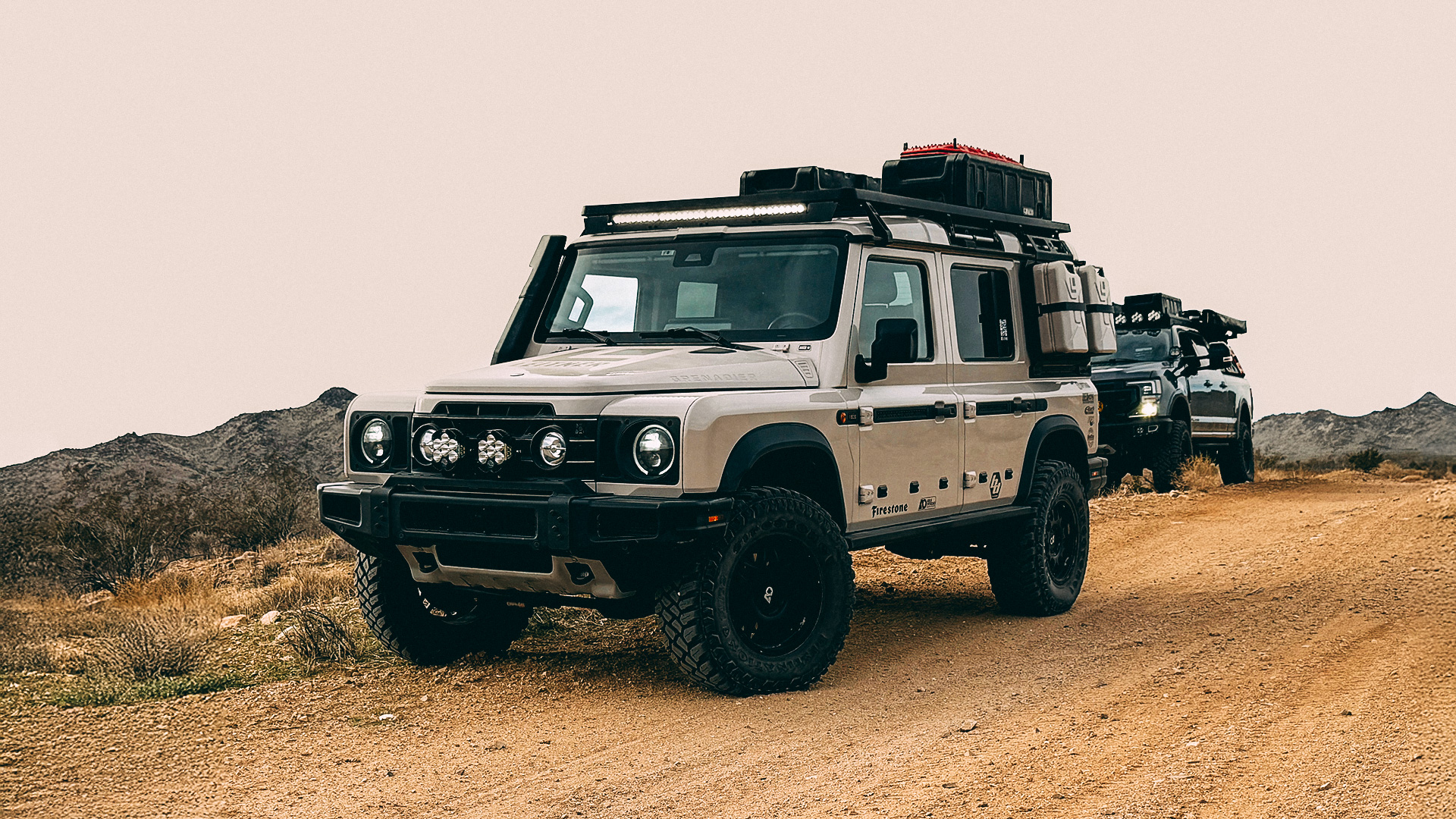
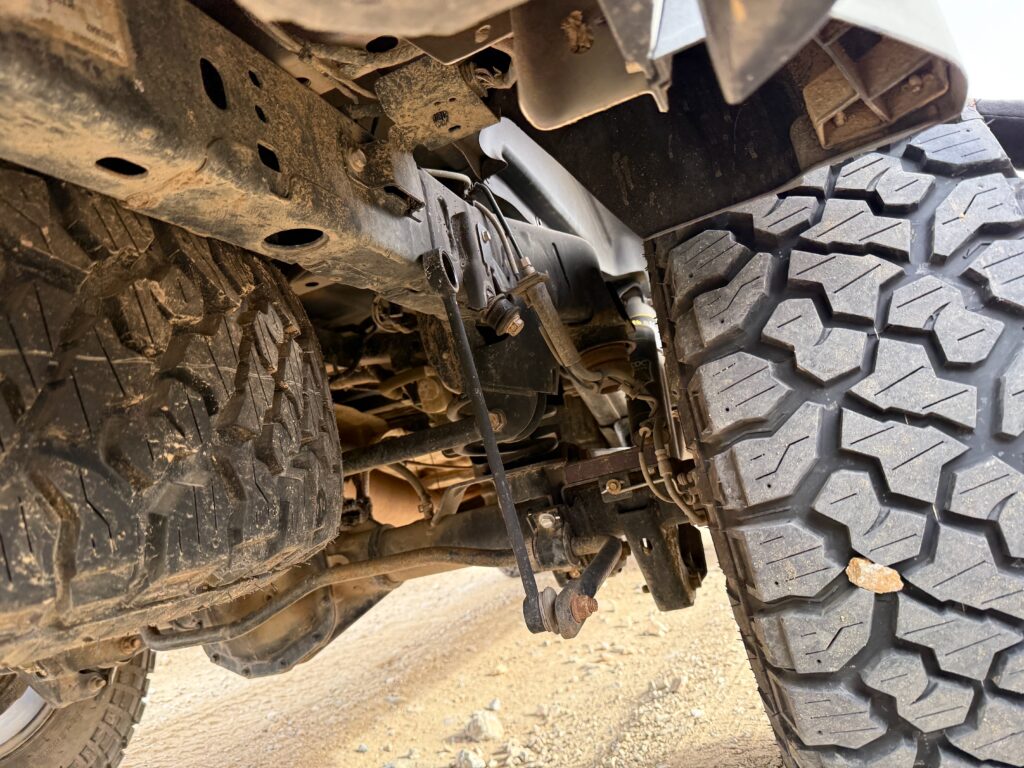
A call went out over the radio. “Something is hanging down from the Gladiator.” The tone of the radio transmission was worried, not gleeful. From the driver’s seat of the modified Ineos Grenadier I was piloting, I couldn’t see the Jeep, but once our group came to a stop, it was clear what had happened: The Gladiator that was part of the off-road testing convoy had snapped a sway bar end-link mount clean off – not a welcome sight when you’ve still got six hours of off-roading left to do.
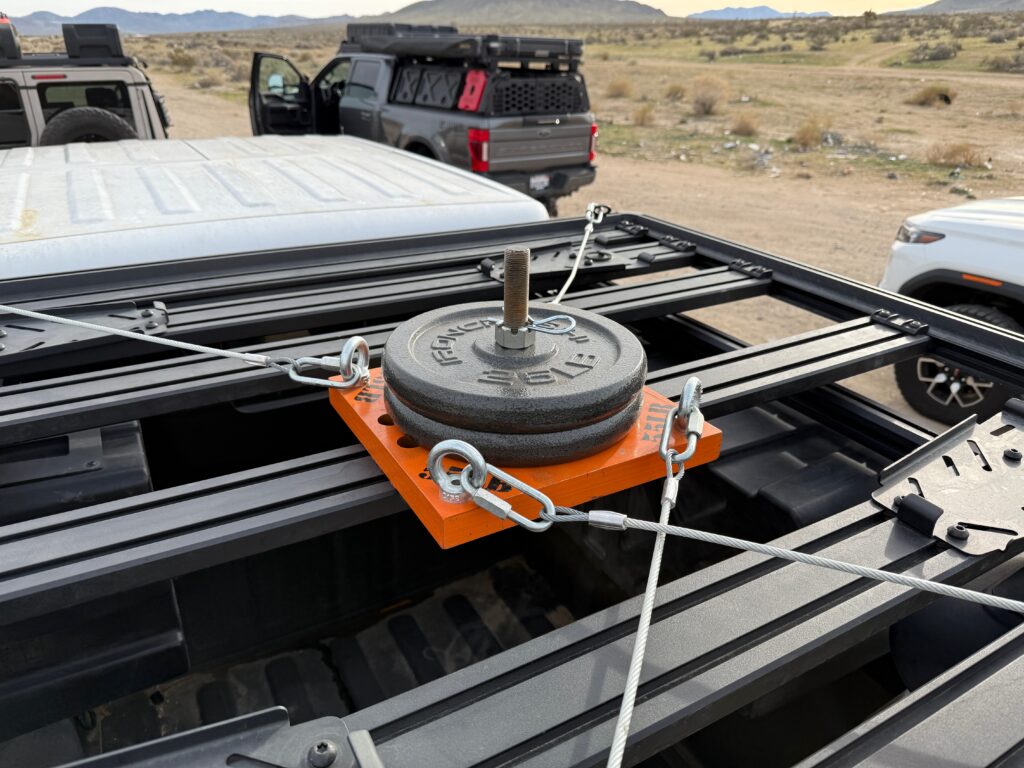
A Leitner Designs roof rack installed on the same vehicle never met the same fate. It was holding a set of weights that added up to 105 lbs – simulating the size and heft of a full-size off-roading wheel and 37-inch tire, localized on one crossbar in an exaggerated attempt to stress the beam. After some previous torture testing and a mild morning of off-roading, the Jeep’s suspension mount had broken off, and if I didn’t know better, I’d think the Jeep’s broken mount was a paid actor – but the break looked fresh.
According to Bernhard Leitner, the products he engineers and produces are designed with the goal of outlasting the vehicles he installs them on, and this was a nice little proof point for him. Bernhard immediately broke out his tool bag, removed the end link, and we were on our way in less than 10 minutes. By his own admission, he likes to break things to find their weaknesses and his favorite setting for breaking things is off-road. When one of his own products breaks, he immediately gets to work on upgrading it.
Leitner is the eponymous founder and CEO of Leitner Designs, an automotive accessory company that he started back in 2007. The products–roof racks, bed racks, and their associated accessories, are designed to be as sturdy as possible off-road. Bernhard has a lot of off-roading in his past, with all sorts of two- and four-wheeled machines, even some serious time behind the wheel of a Steyr Pinzgauer 6×6 that he drove from California to Alaska. Decades of experience have shaped the ethos behind his company and the kinds of products he produces.
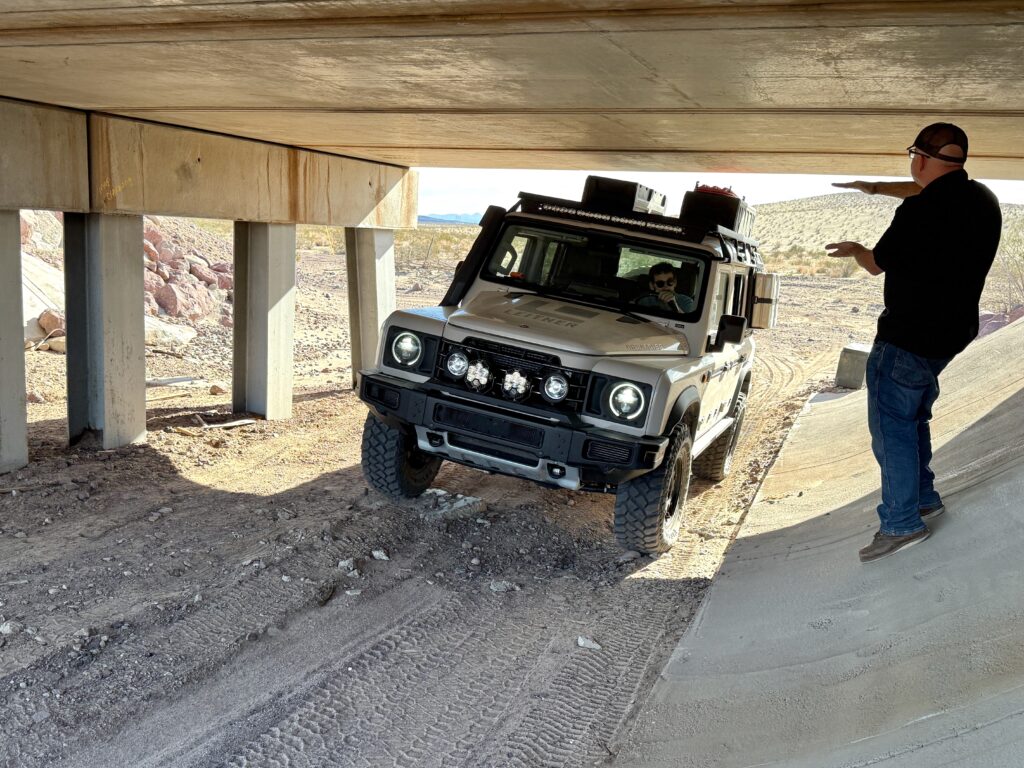
The folks at Leitner Designs invited me along for a day of off-roading, driving along a piece of their vehicle test route, to demonstrate just how strong the company’s products are. The test route stretches from Southern California, several hundred miles into the desert, all the way into Nevada, then it turns around and comes home. We ended up doing an abridged version of the trek, but it was plenty of mileage to understand why Leitner Designs is a successful and growing company. We hit high-speed washboard roads, tucked under railroad bridges, and scrambled down a few sketchy hillsides, all in the name of product development.
Leitner’s current products are high-quality in both look and feel. Each bolt they ship comes with a bit of Loctite already on the threads. The bolts themselves are made using 10.9 hardened alloy-steel fasteners and coated in zinc-nickel. This is the sort of process that prevents rust over time, and to Leitner’s credit, there wasn’t a spot of rust on any of their equipment. The powdercoating process used on Leitner’s bed racks and roof racks is the same process used by major OEMs who test their hardware over millions of simulated miles. And while the deserts of southern California aren’t exactly moisture-rich environments, it’s a worthy inclusion for any vehicle bound for the outdoors.
The sort of weight ratings that are possible with Leitner’s roof racks and bed racks are overkill, too. Often, a pickup truck’s payload rating will max out before one of Leitner’s racks does. For instance, some Leitner Designs racks are rated to hold 1,400 pounds of static capacity. Drop that down to 800 pounds for on-road capacity, and you’ve still got a rack that can hold a heavy-duty roof-top tent and several other items, no problem.
Leitner Designs also lists off-road load ratings, a distinction that sets them apart from a lot of automakers and aftermarket parts manufacturers – LD rigs are capable of holding 400 pounds of gear while off-roading. That’s the sort of weight that you’ll likely have if you’ve overbuilt your overlanding rig with lots of rooftop accessories, a sight that’s not uncommon in any Overlanding Expo parking lot.
The thought process that led Bernhard to design roof racks the way he does is the same one that led him to create a specialized roof rack for the Ineos Grenadier, one that didn’t use the fragile rain-gutter style rail like the OEM rack does. Instead, Leitner Designs created a rack that mounted higher on the vehicle, in a place much less likely to crack. Now, a claimed 25% of Ineos owners are running the Leitner rack instead of the OEM offering.
Bernhard’s approach, one that seems to run through the entire company, is that an off-road vehicle should be able to make it home, even if something breaks. After a break, they learn. From there, they iterate, build again, and torture test until they’re satisfied. Lather, rinse, repeat. Companies like Leitner Designs are where the overlanding world and the products that underpin it will thrive: In the hands of people who love off-roading and who don’t mind breaking a few eggs to make a better omelet.
Recent Posts
All Posts
August 3, 2026

July 30, 2026

July 27, 2026
Leave a Reply
You must be logged in to post a comment.