Kei Party
December 5, 2025
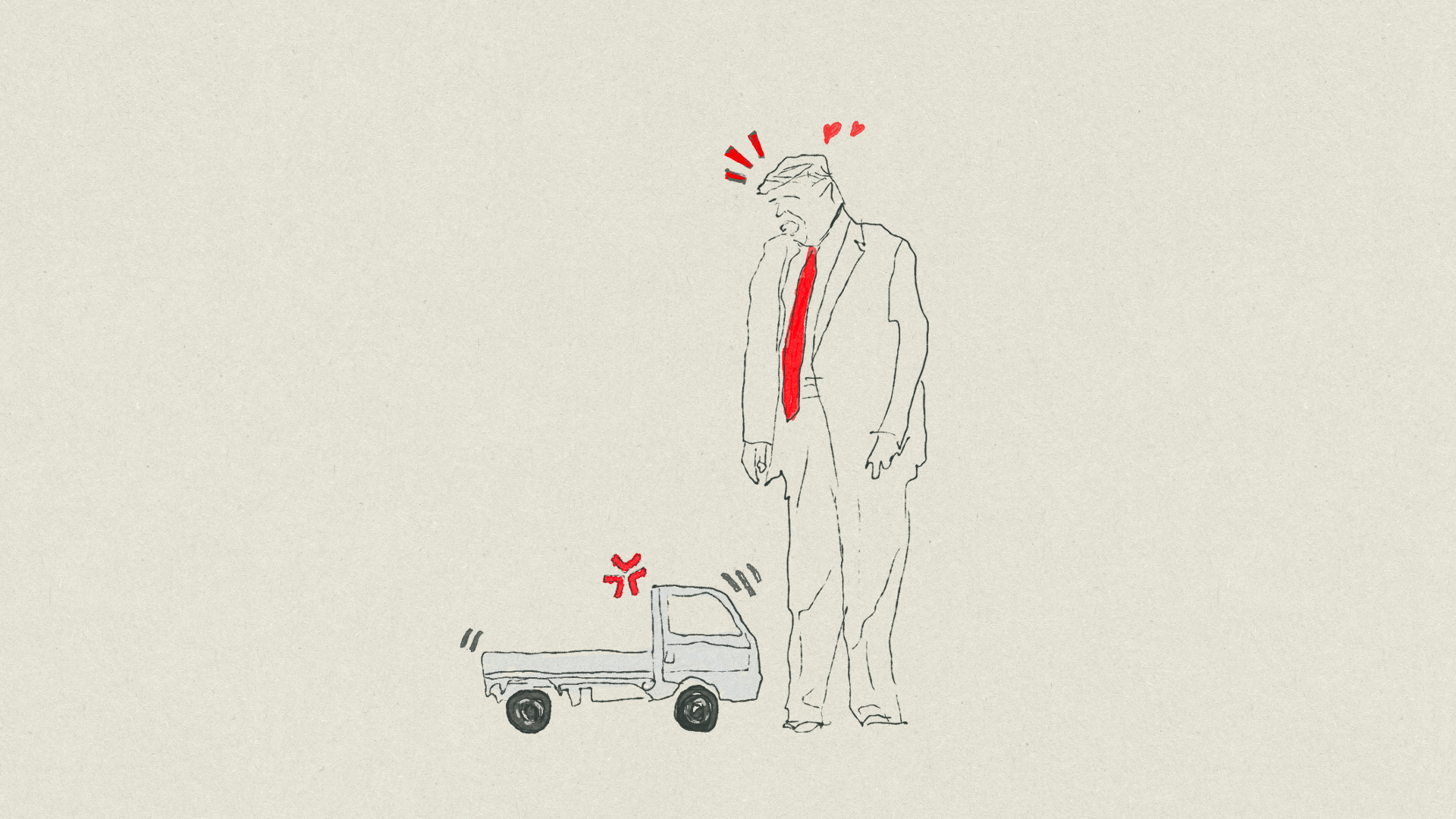
Alex KiersteinCute trumps economic realities amid CAFE standard chaos, as whim becomes a guiding policy principle.
There are a few objective realities in the automotive sphere. One, well-known and historically validated, is that American cars imported to Asian countries tend to struggle. Another is that it costs almost as much to make a tiny, low-profit car as it does to make a larger crossover bursting with profit potential, and not much more than that to make a full-size truck that rakes in even more cash. Hence: the Toyota Cavalier was a disaster, and Chevrolet doesn’t sell the Cavalier (or any car other than the Corvette). And it’s in this context that I have to place Trump’s well-publicized, off-the-cuff remarks about clearing the way for “cute” kei cars to be made and sold in America.
This is happening solely because, it seems, the President was in Japan, saw some kei cars, and felt that they should be sold here. A market where even the ultra-cheap Mitsubishi Mirage was recently withdrawn. Where small vehicles of suitable size, power, and safety—cars specifically engineered for this market and the tastes of its consumers—failed. Where none of the very specific economic, tax, and infrastructure rationales for kei cars exist.
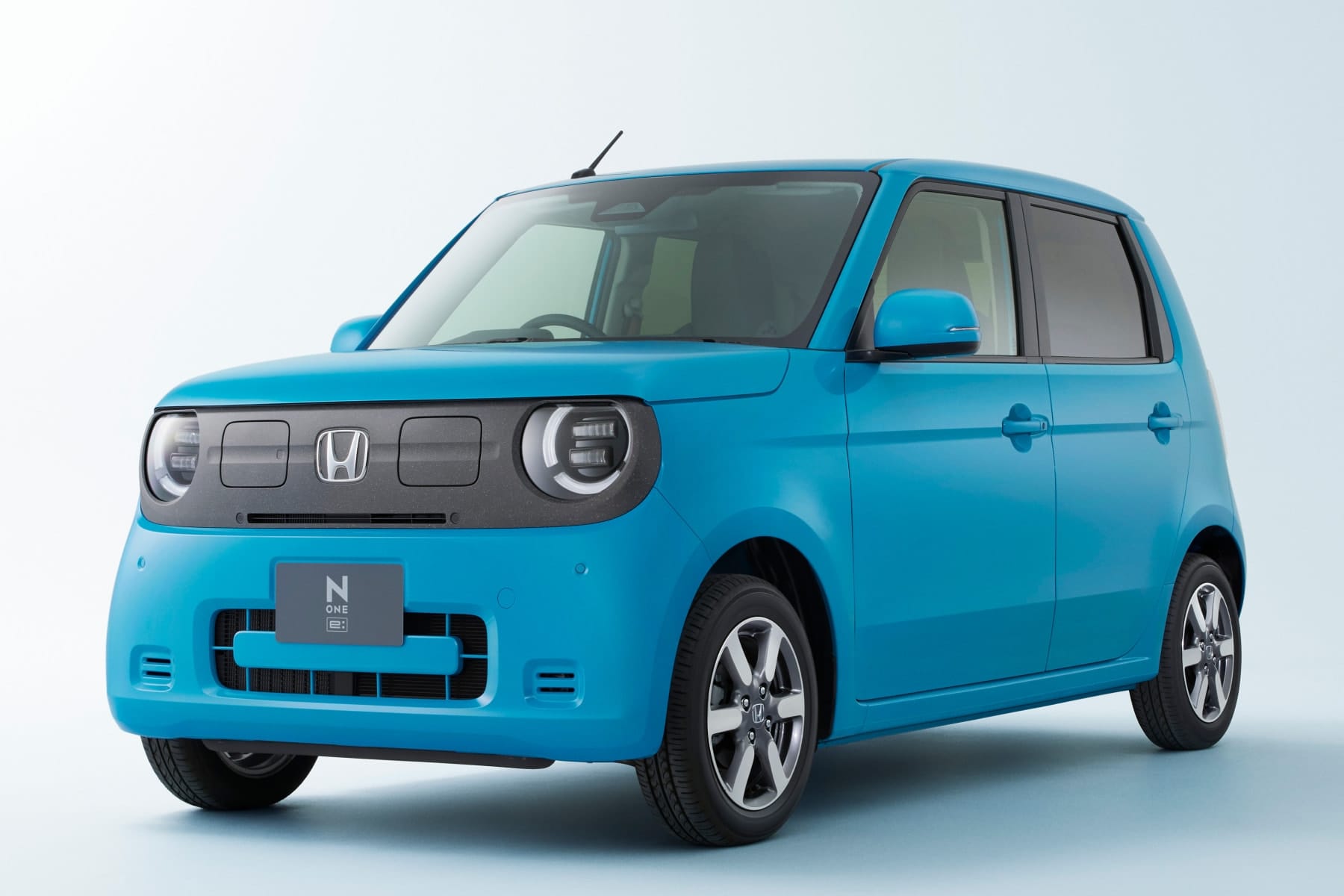
I love kei cars, trucks, and vans as much as any J-tin otaku, but Trump’s plea to automakers to build kei cars here is patently absurd. Even so, the transportation secretary has “cleared the decks” for automakers to build these vehicles here in the U.S. I don’t know what this means, and my expert opinion is that Sean Duffy doesn’t, either.
Let me tell you something: if automakers thought they could make money selling kei cars to Americans, their lobbyists would have been stalking the halls in DC long ago.
Kei cars are not a brand-new class of vehicle, however novel they may have been to the president. In fact, they’re really a geopolitical accident of our own creation. By incinerating Japanese cities and industrial centers in World War II, we demolished its existing car industry. And during postwar occupation, Americans refused to allow automakers to build passenger cars, part of a broader campaign to prevent an industrialized Japan from becoming warlike again. Tiny kei cars weren’t created as a cheap and cheerful way to get the Japanese back on the road, as the gloss often goes. Kei cars resulted from a recognition that, as geopolitical realities set in ahead of the Korean War in 1950, that Japan was more useful as a strong ally rather than a prostrate enemy.
Japan’s auto industry was way behind in regaining its production output, its consumers were impoverished, and war was brewing on the Korean peninsula. The kei regulations were issued in 1949—to enable the production of cars basically similar to cyclecars like the BMW Isetta and Messerschmitt Kabinenroller produced in Europe. The first kei car, introduced in 1952, was called the Auto Sandal.
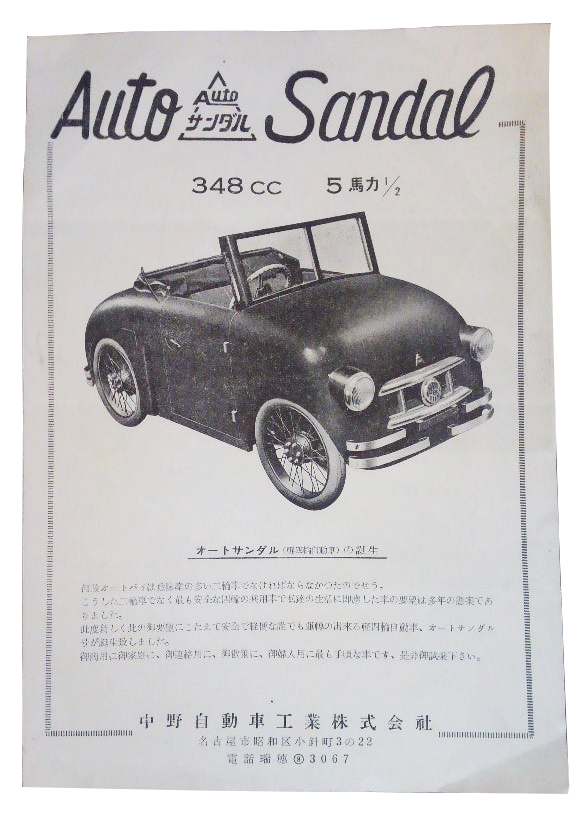
Really.
That was 73 years ago. Since then, the kei segment thrived as a size-limited, displacement-limited class of microcars because of generous tax incentives, a policy decision born out of the belief that they were beneficial to society as a whole. Automakers operating in the U.S. have had 73 years to consider whether Japanese-style microcars would sell here.
American automakers don’t want this. If they did, they would be asking for it. Honda, Toyota, Nissan, and Mitsubishi would be lobbying to sell them here, asking for incentives to build factories to produce them here. They don’t.
Because kei cars don’t make much, if any, money. They mainly sell to older drivers, and skew female. They make up a decent share of the car sales pie, around a third of all sales in Japan. Even non-Japanese automakers are considering getting in on the action. BYD thinks its lower unit production costs could make taking on kei cars in Japan profitable enough to be worthwhile.
The notion of the math, uh, mathing for American-made kei cars is absurd.
What we’re left with is a weird whim, an off-the-cuff remark. Duffy can issue some guidance about how kei cars will be treated under U.S. regulations, maybe even issuing exceptions. Kei cars won’t sell here, however, without automaker buy-in. And automakers based abroad, having invested billions in U.S. factories to build EVs only to be burned by a broad policy shift back towards internal-combustion vehicles, aren’t likely to rush to break ground.
There’s something in this whole episode about the fallout from the death of expertise. Whim-driven capitalism. What a time to be alive. It’ll be something else entirely tomorrow.
Recent Posts
All Posts
August 3, 2026

July 30, 2026

July 27, 2026
Leave a Reply
You must be logged in to post a comment.